Why swap it
Miscanthus escapes gardens and forms dense stands along roadsides and field edges. These native grasses give you the same movement, height, and winter structure, and their seed feeds birds.
Native plants to grow instead
Map your garden free →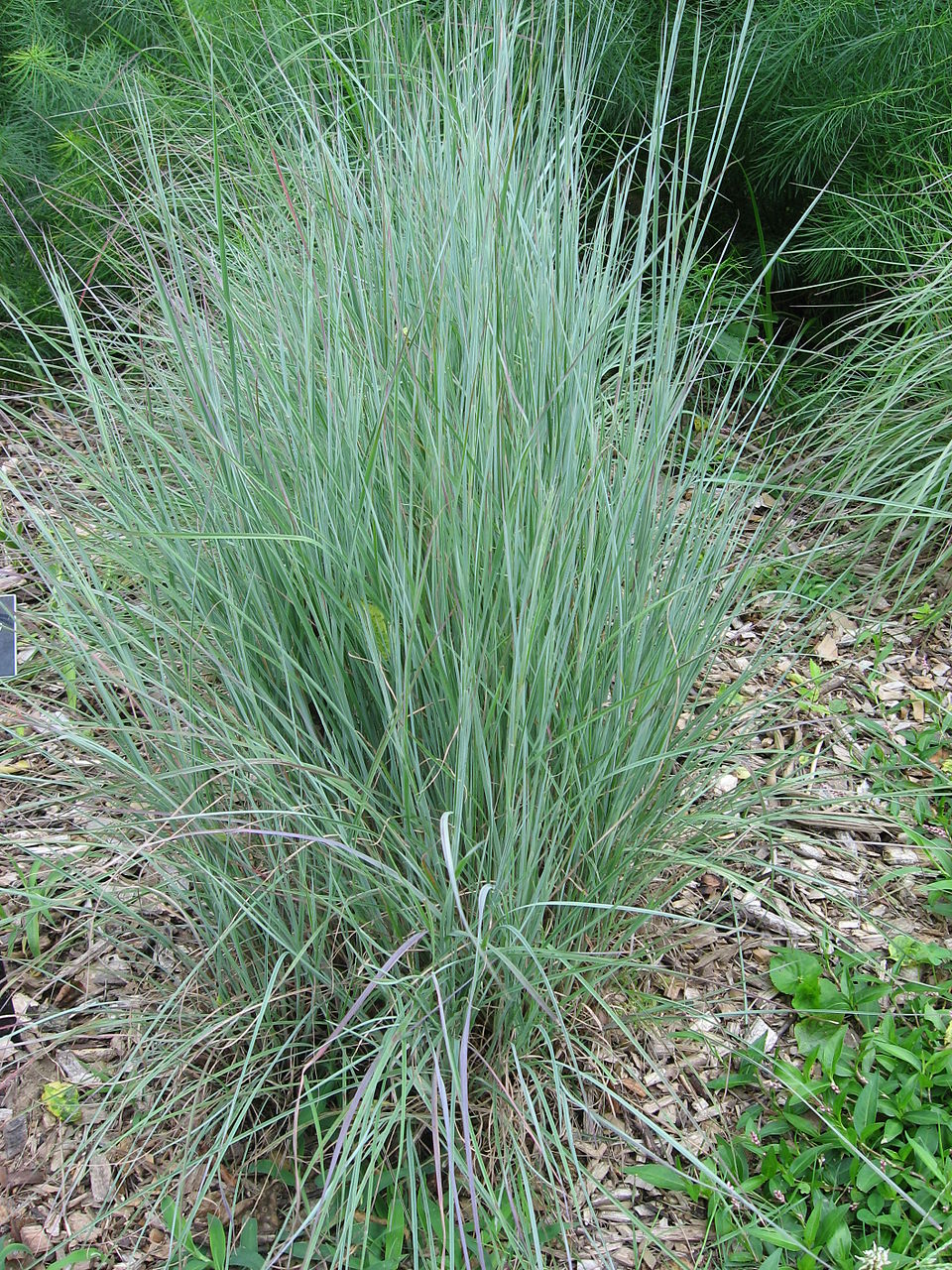 1Little Bluestem
Schizachyrium scoparium
a native grass for the same movement and structure
Helps at-risk wildlifeA grassland bird losing its grasslands. Native bunchgrasses bring back the insects and cover it needs.
Brings back: Eastern Meadowlark
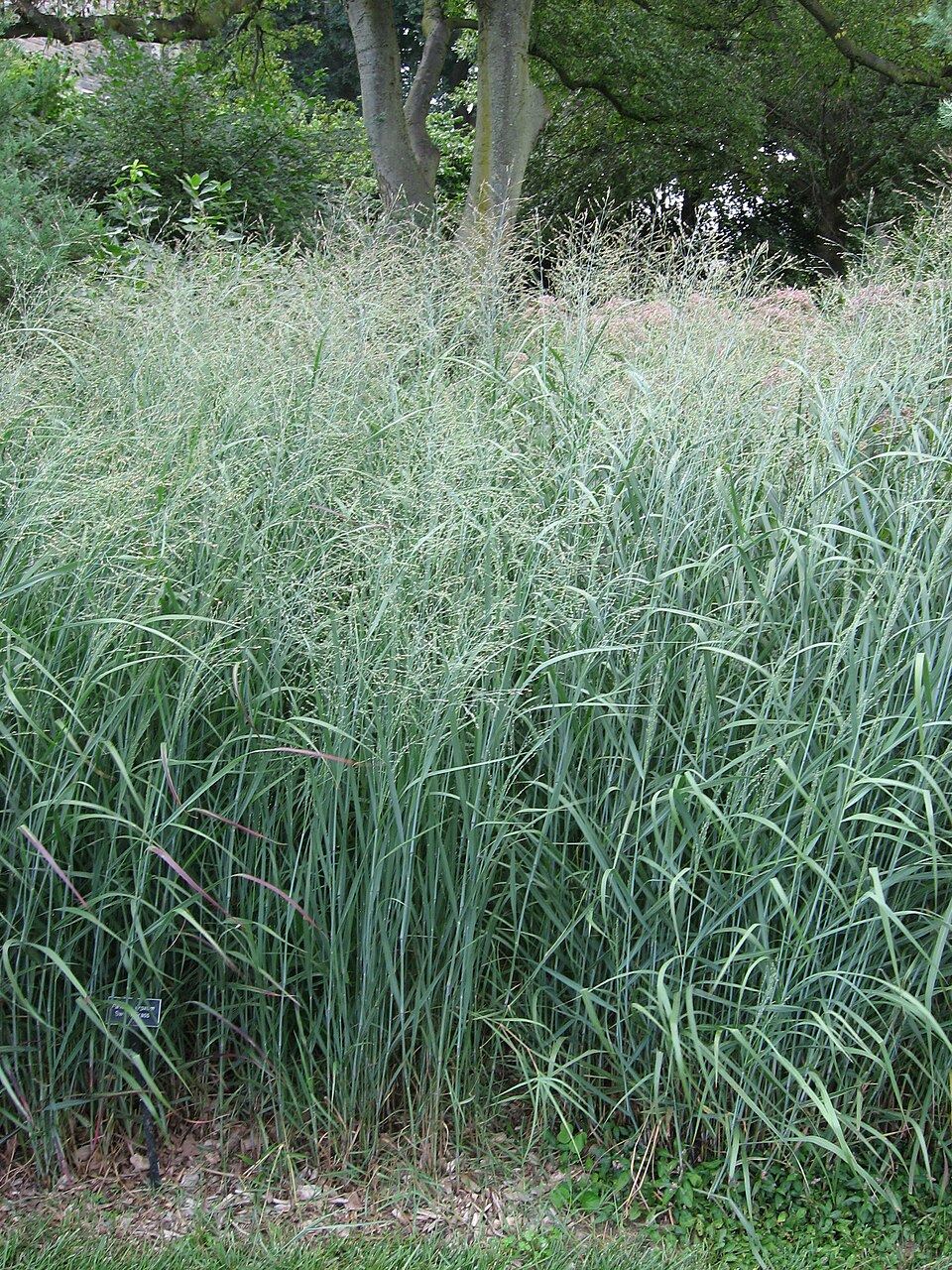 2Old Switch Panicgrass
Panicum virgatum
a native grass for the same movement and structure
Helps at-risk wildlifeA bubbling song of summer meadows, now threatened. Native grasses rebuild the habitat it raises its young in.
Brings back: Bobolink
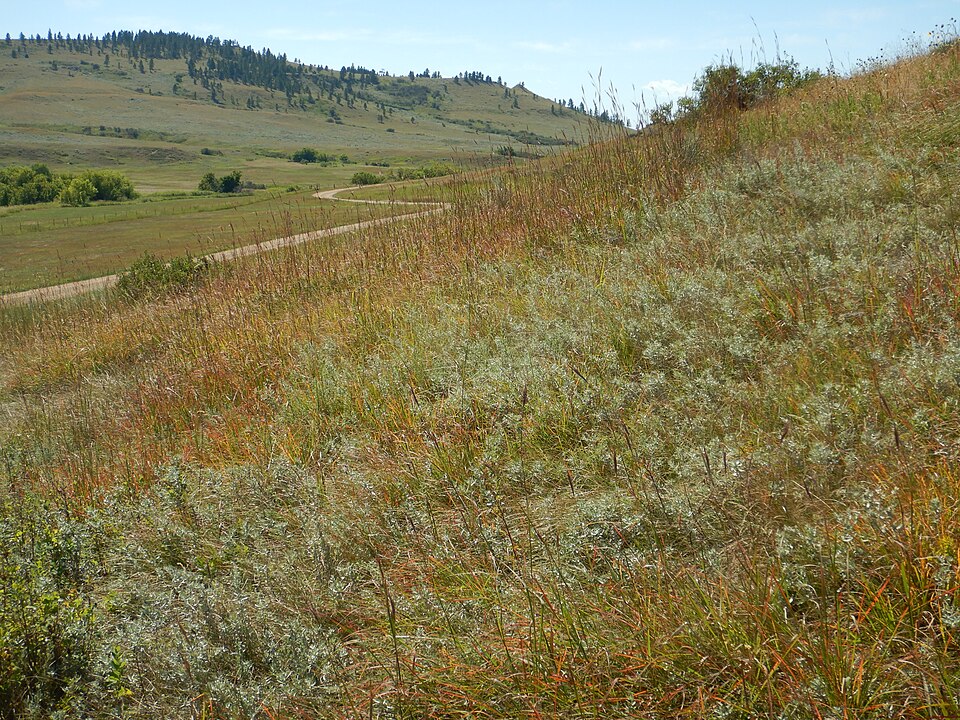 3Big Bluestem
Andropogon gerardii
a native grass for the same movement and structure
Helps at-risk wildlifeA bubbling song of summer meadows, now threatened. Native grasses rebuild the habitat it raises its young in.
Brings back: Eastern Meadowlark, Bobolink
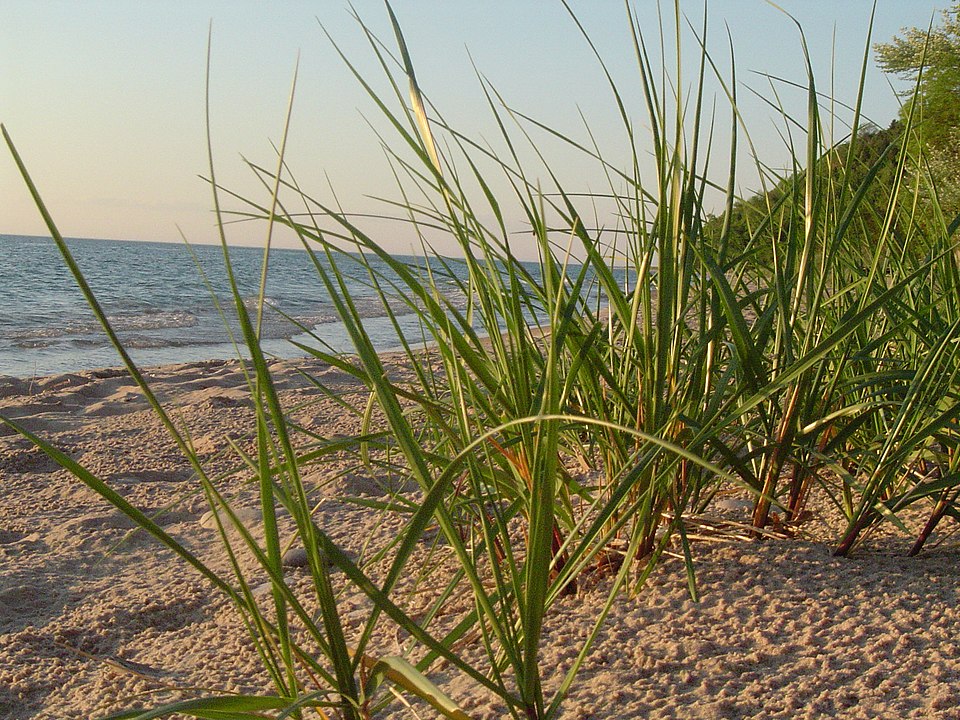 4Beach Marram Grass
Ammophila breviligulata
a native grass for the same movement and structure
A larval host plant. The caterpillars it raises are the primary food source for baby songbirds.
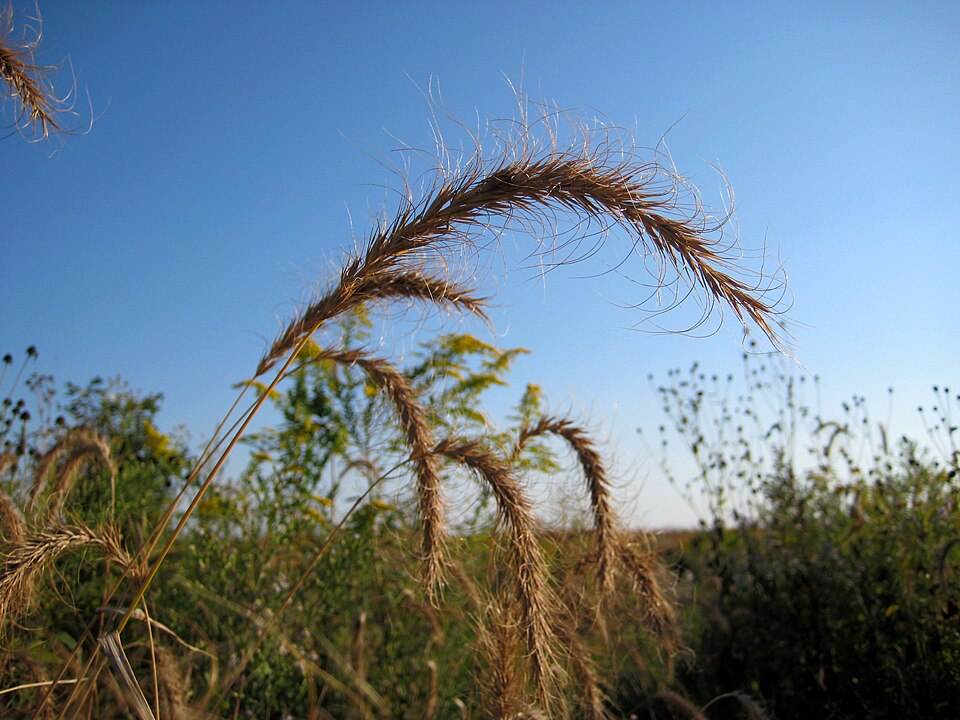 5Canada Wildrye
Elymus canadensis
a native grass for the same movement and structure
A larval host plant. The caterpillars it raises are the primary food source for baby songbirds.
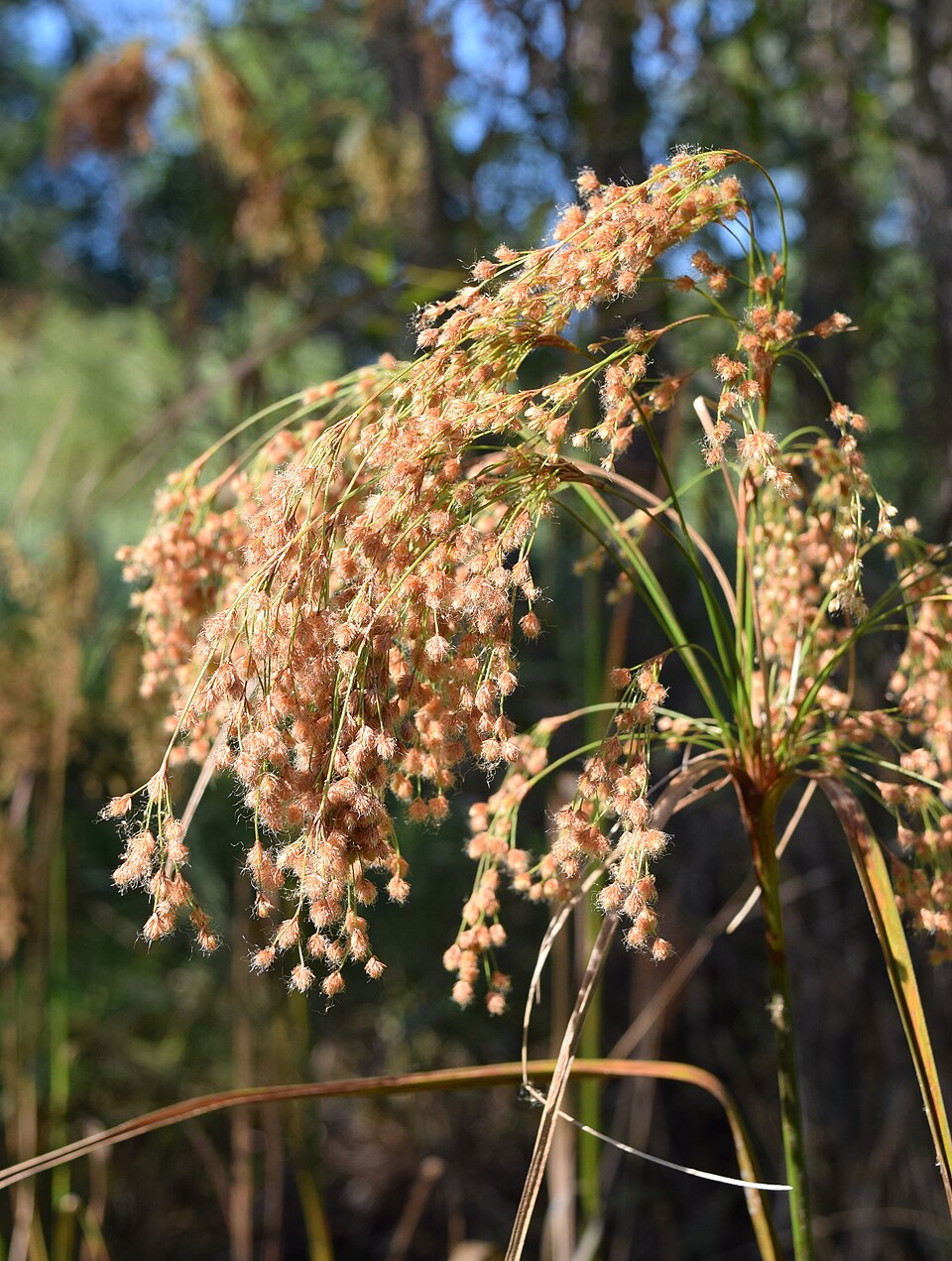 6Common Woolsedge
Scirpus cyperinus
a native grass for the same movement and structure
A larval host plant. The caterpillars it raises are the primary food source for baby songbirds.
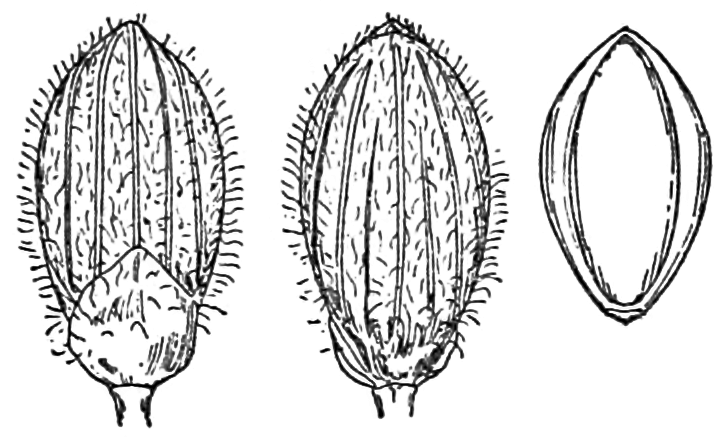 7Hairy Panic Grass
Panicum acuminatum
a native grass for the same movement and structure
A larval host plant. The caterpillars it raises are the primary food source for baby songbirds.
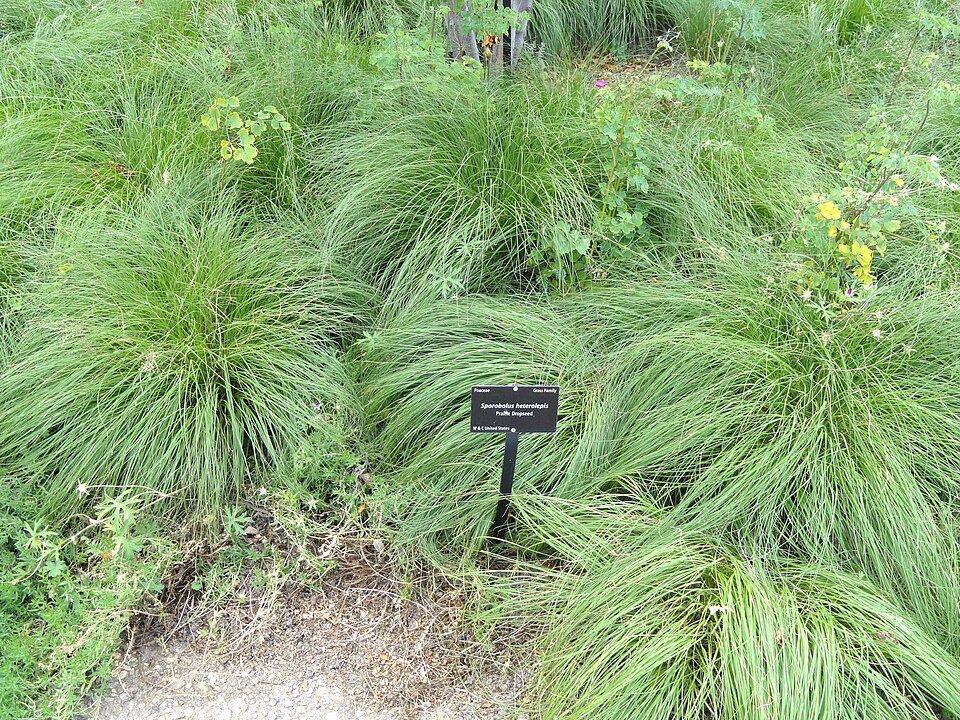 8Prairie Dropseed
Sporobolus heterolepis
a native grass for the same movement and structure
A larval host plant. The caterpillars it raises are the primary food source for baby songbirds.
Showing the 8 strongest of 35 native grasses that fill the same role. Browse the full native library →
See what your yard could bring back
Map the plants you grow, get a free report card of the pollinators and species at risk your garden supports, and find a native-plant nursery near you.
More native swaps