You’ve counted the birds for years. Now bring one back.
eBird tells you what’s flying over your patch. Hortus’s Bird Spotlight tells you which of those birds the gardens around you already feed, and the exact native plant that brings the next one back.
Built on eBird, COSEWIC/SARA and Doug Tallamy’s research.
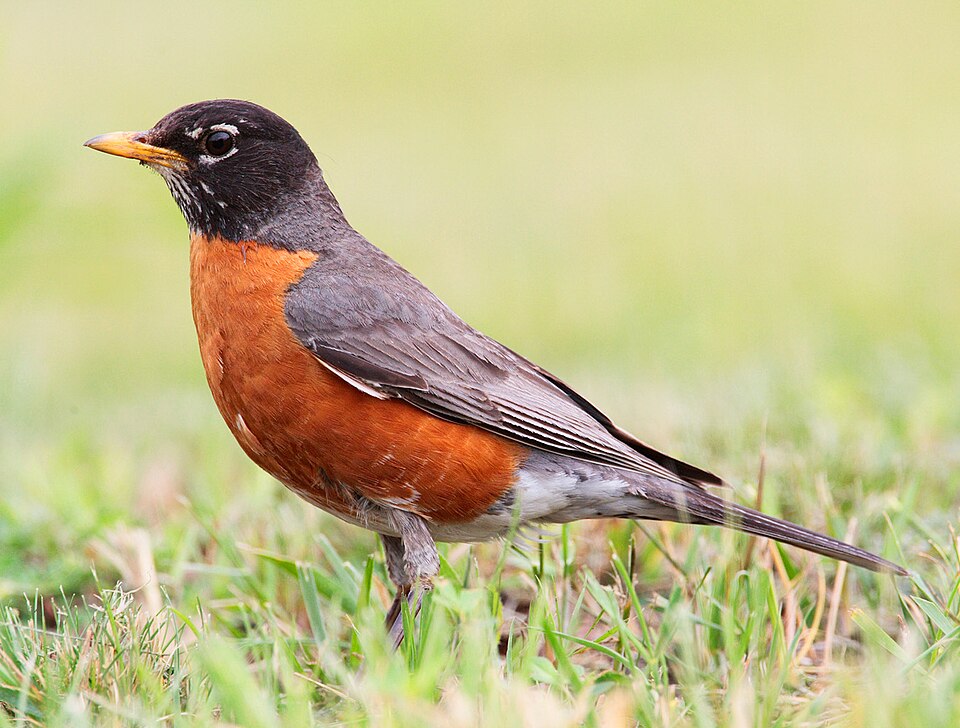
Acrossthis week
of the birds eBird logged here that native plants can feed already have a garden feeding them.
Live from real gardens across Nunavut. Make it your own garden →
Sightings from eBird. Caterpillar hosting from Doug Tallamy and the NWF Native Plant Finder. At-risk status from COSEWIC/SARA. How we know
You already know who’s out there. Now close the loop.
Watching is the first half. Bird Spotlight is the second: it takes this week’s sightings and turns each one into something you can plant, so a bird that passed over your street has a reason to come back down.

eBird sees them
Live sightings show who’s moving through Nunavut right now.
 Hortus
Hortus feeds them
We cross those birds with the plants in real gardens near you, and name the one to add next.
No single source can tell you this. We braid five.
eBird is the start, not the story. Five separate threads each hold one piece of the answer. On their own they just sit in different databases. Bird Spotlight is the loom that weaves them together.
eBird
Live sightings of which birds are moving over your patch this week.
Cornell Lab of Ornithology
Your neighbours' gardens
What is actually planted near you, block by block. No database holds this; it lives in real yards.
Hortus
Caterpillar science
How many caterpillars each native plant raises, the food nestlings are made of.
Tallamy · NWF
Plant & animal records
Which insects and plants each bird uses, and what is native where you live.
GloBI · VASCAN · LBJ Wildflower Center
Status & trends
Who is at risk, and which direction each population is heading.
COSEWIC · SARA · BBS
Bird SpotlightNo one else weaves all five together. We do it live, for your address: which of the birds around you are already fed by a garden, and the exact plant that brings the next one back.
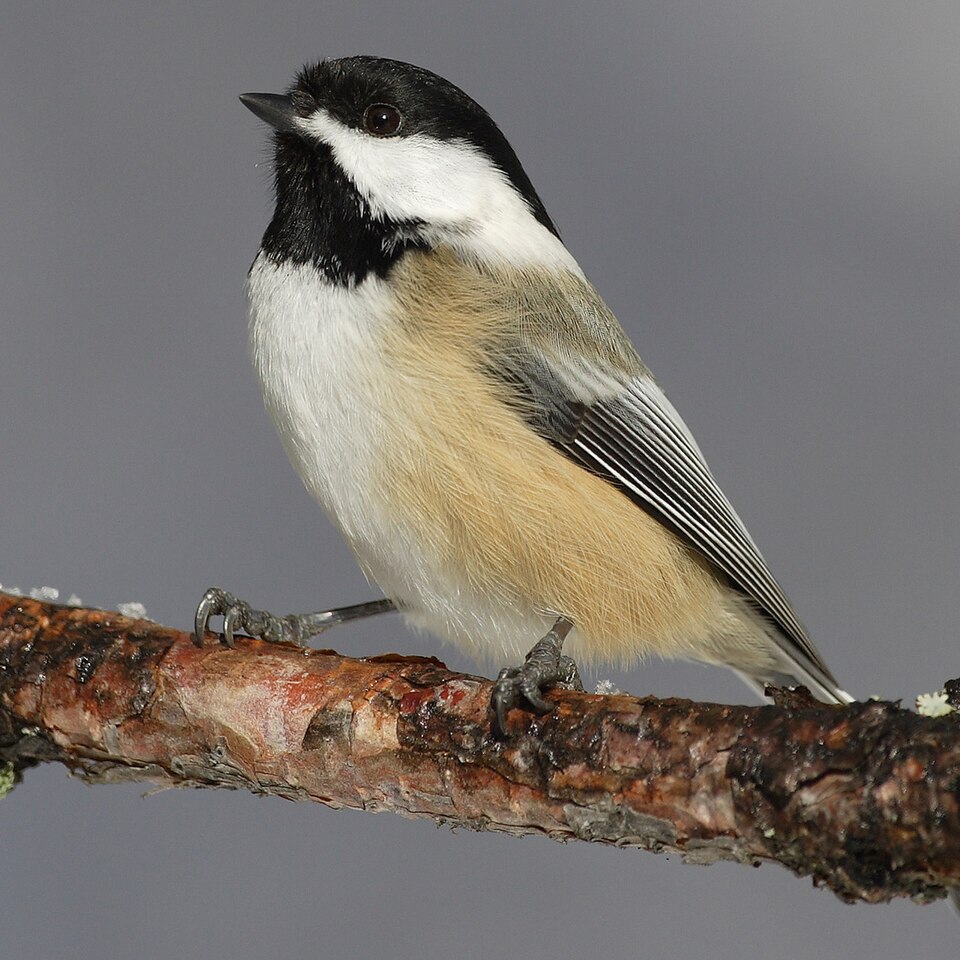
A chickadee can’t raise its young on birdseed.
It raises them on caterpillars, and caterpillars come from native plants. A pair needs 6,000 to 9,000 of them to fledge a single brood.
Narango, Tallamy & Marra, PNAS (2018); NWF Native Plant Finder.
A swallow never touches a flower. But the flower feeds the insects the swallow eats.
A garden feeds birds in three quiet ways, and a swallow needs something very different from a waxwing. So for every plant, we name exactly which way it works.

It eats the plant
Berries, seeds, or nectar: thrushes, waxwings, finches, hummingbirds.
It eats the insects
The plant raises the bugs; the bird never touches the plant. Swallows, swifts, flycatchers, warblers.
It gives cover
A nest site or shelter: grasses for ground-nesters, canopy trees.
The birds arrive as your garden’s table is set.
Migrants pour over Nunavut in two waves a year, spring and fall. A native garden leafs out and blooms on the same clock, so the food is ready exactly when they need to refuel.
Each line is scaled to its own seasonal peak: the shapes show when migration and food arrive, not how their totals compare.
The birds gardens here already feed, and the ones still waiting for one.
Every one is a real bird, logged on eBird across Nunavut this week and matched to the plants gardens here actually grow, with an honest note on how each one is fed.
Turn the birds you watch into birds you feed.
Sign in and this whole page becomes your own: your live scorecard, your caterpillar count, the gap only your yard can close.
Join and support birds nearby →No app to download. Your region loads the moment you arrive.