What this garden supports in July
In season now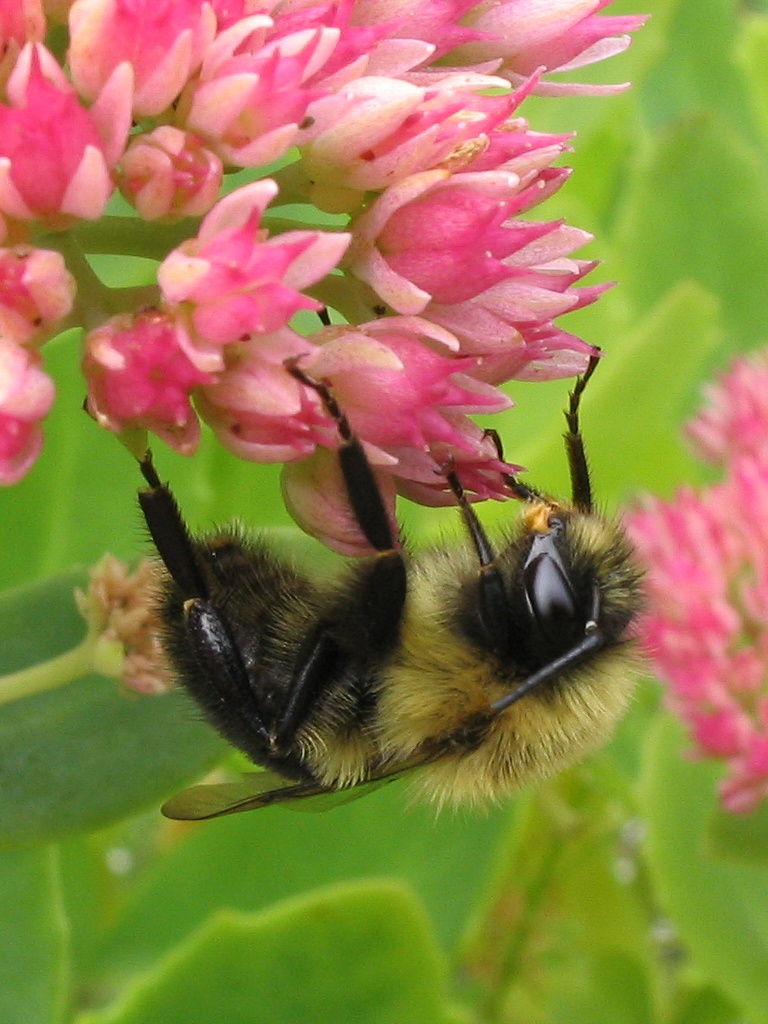 🐝
🐝Common Eastern Bumble Bee
Bombus impatiens
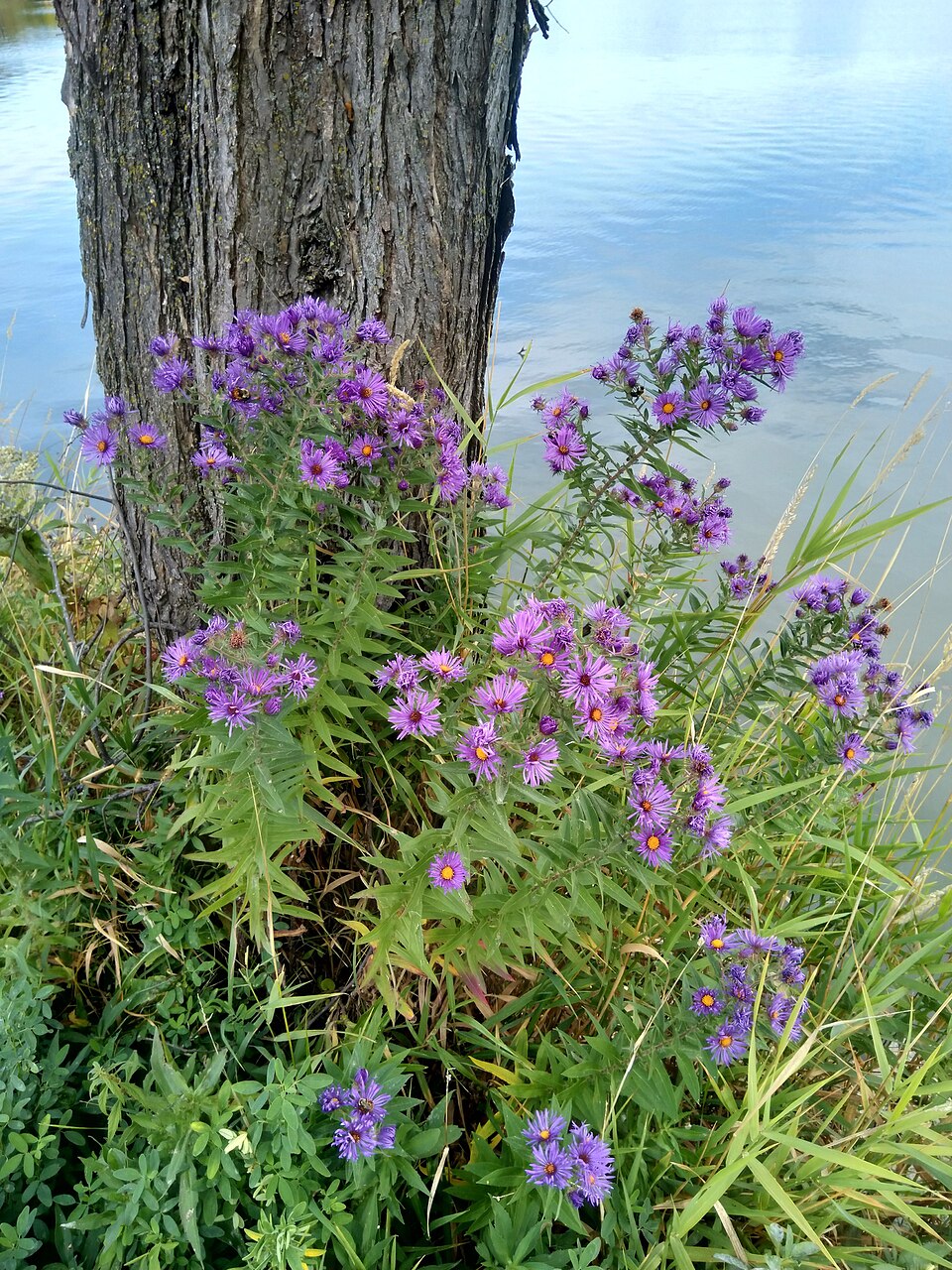
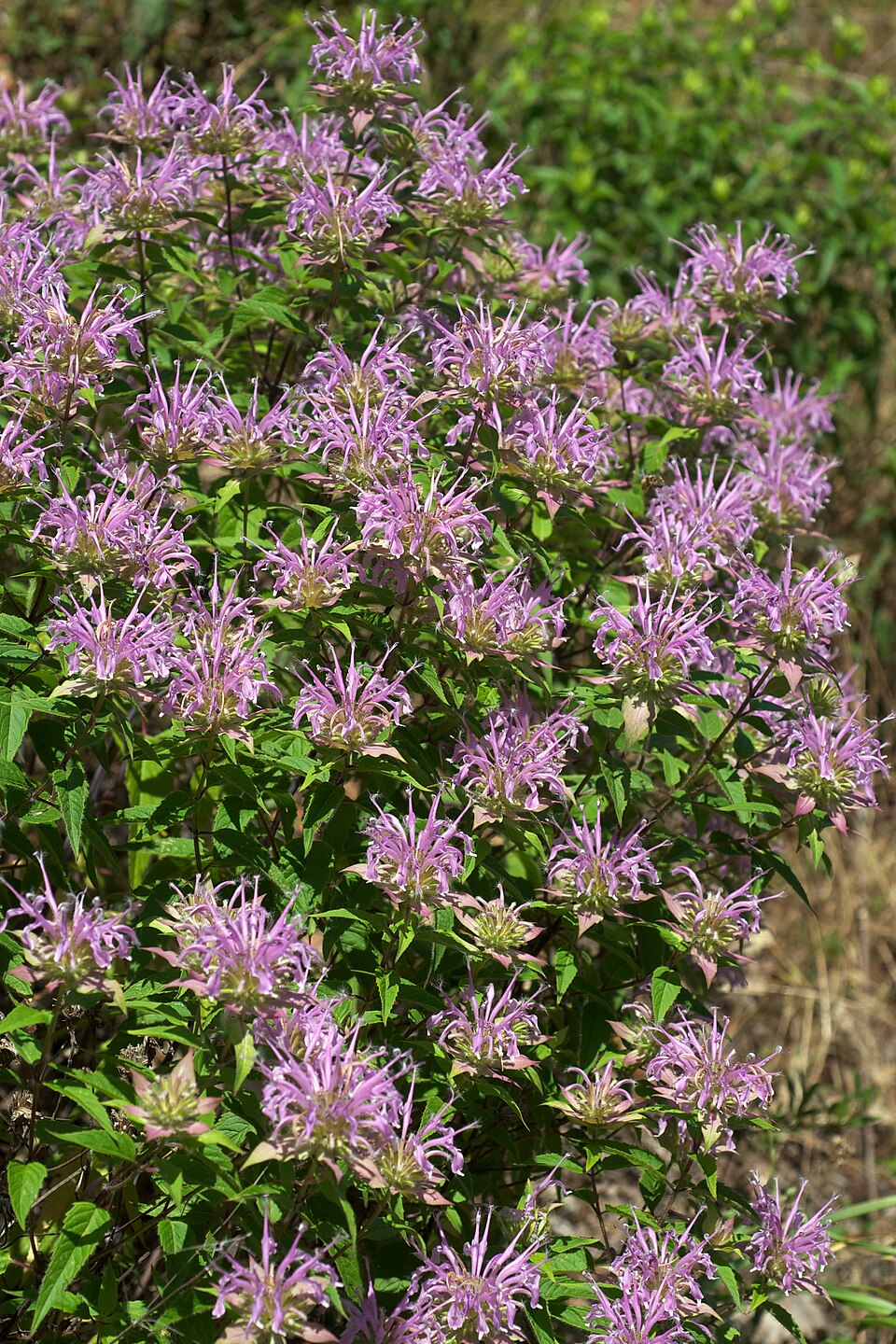
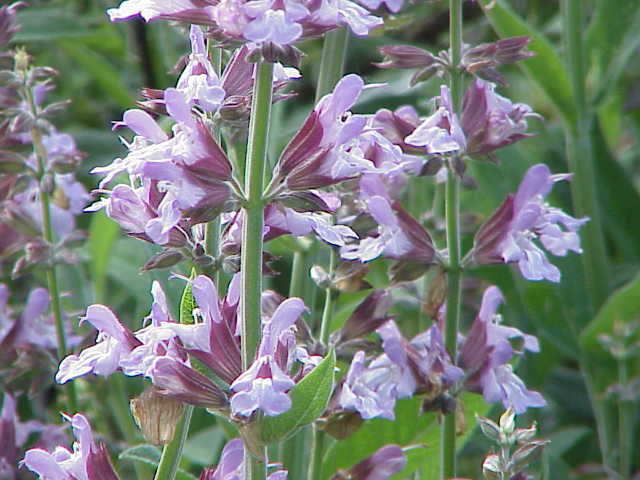
Drawn to New England Aster, Wild Bergamot
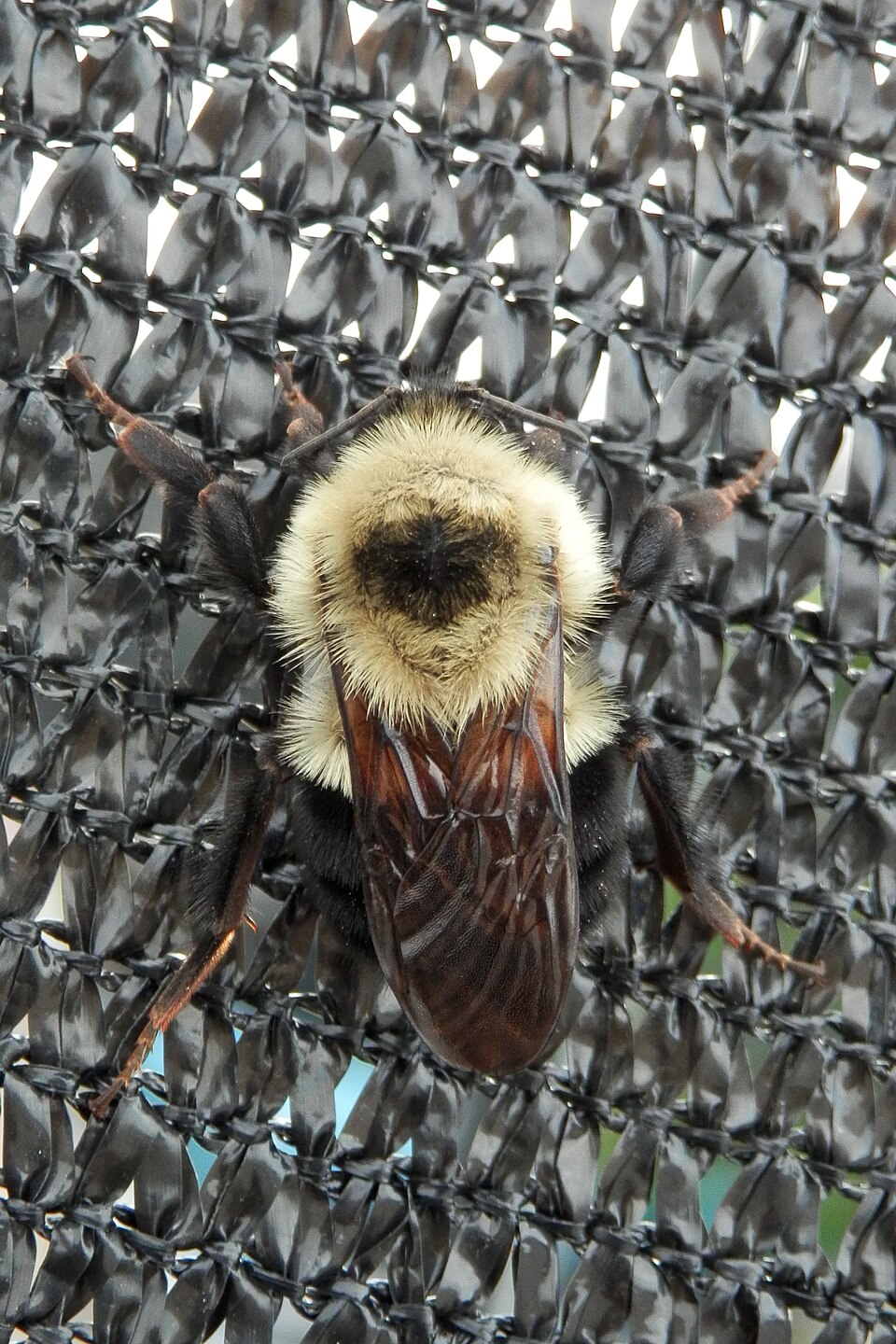 🐝
🐝Two-spotted Bumble Bee
Bombus bimaculatus
Drawn to Wild Bergamot
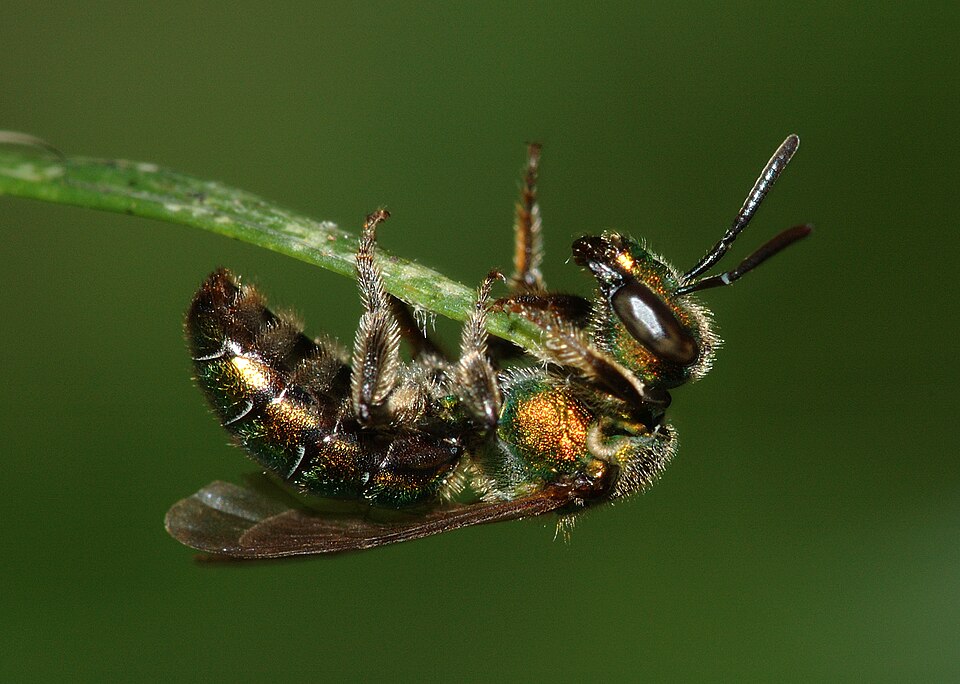 🐝
🐝Sweat Bee
Halictus ligatus
Loading...
A Hortus garden · B3N 2L4, Canada area
Already a home for the Little Brown Bat and 9 other species at risk
34 native plants in the B3N 2L4, Canada area.
🐝Common Eastern Bumble Bee
Bombus impatiens
Drawn to New England Aster, Wild Bergamot
🐝Two-spotted Bumble Bee
Bombus bimaculatus
Drawn to Wild Bergamot
🐝Sweat Bee
Halictus ligatus
Map yours free and see who it brings back.
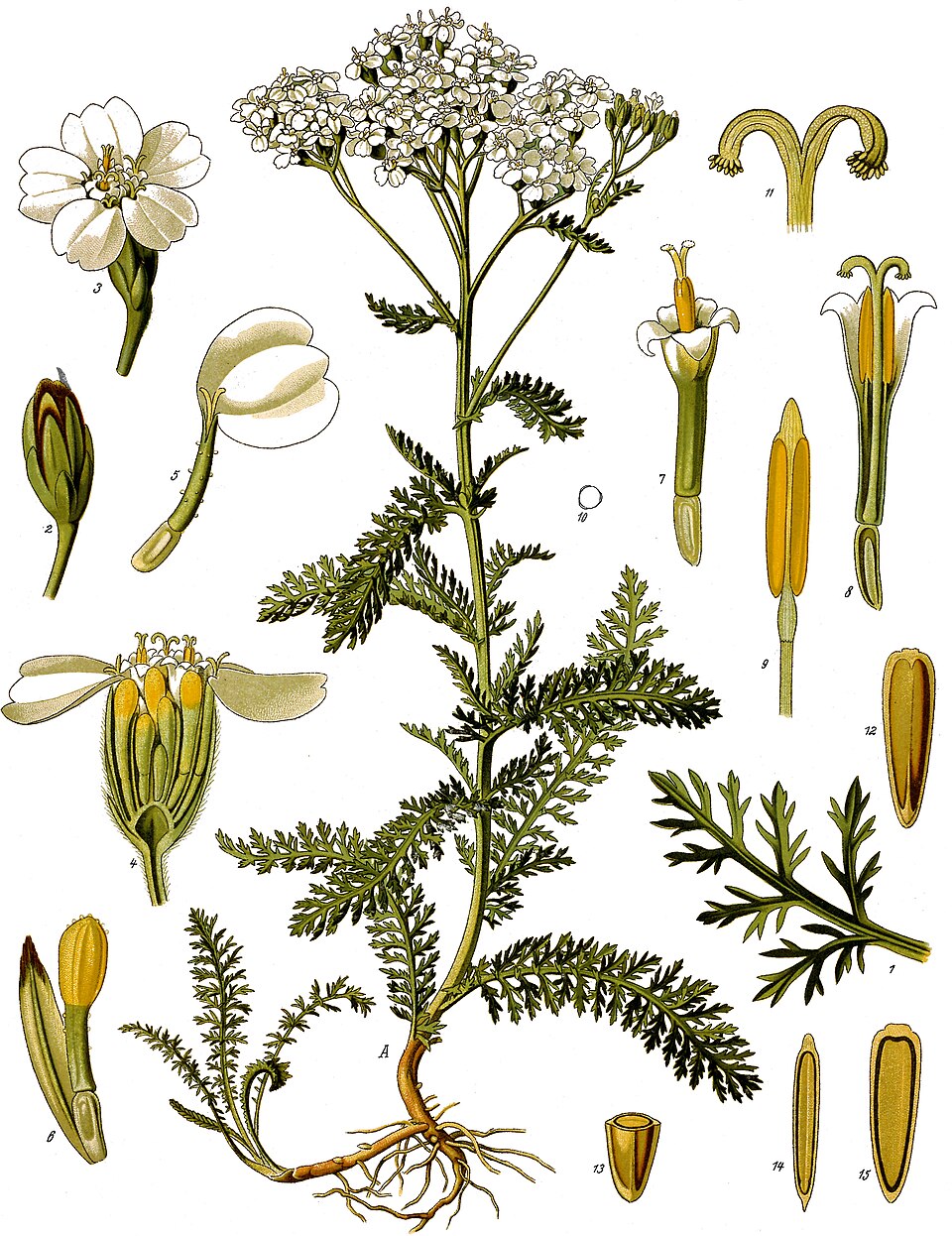
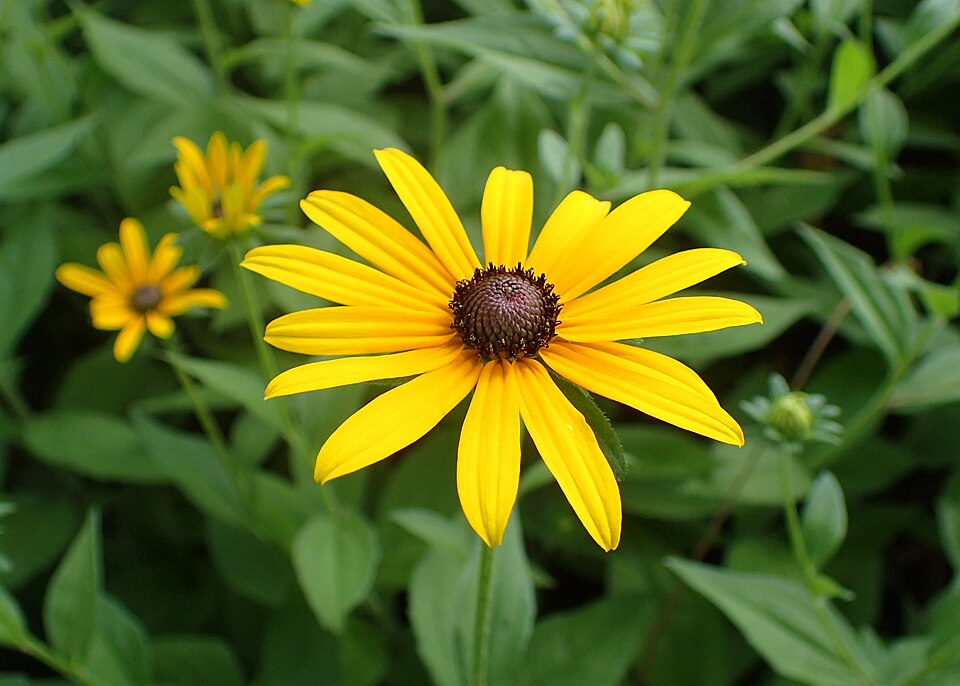
Start your own gardenDrawn to Black-Eyed Susan, Yarrow +1 more
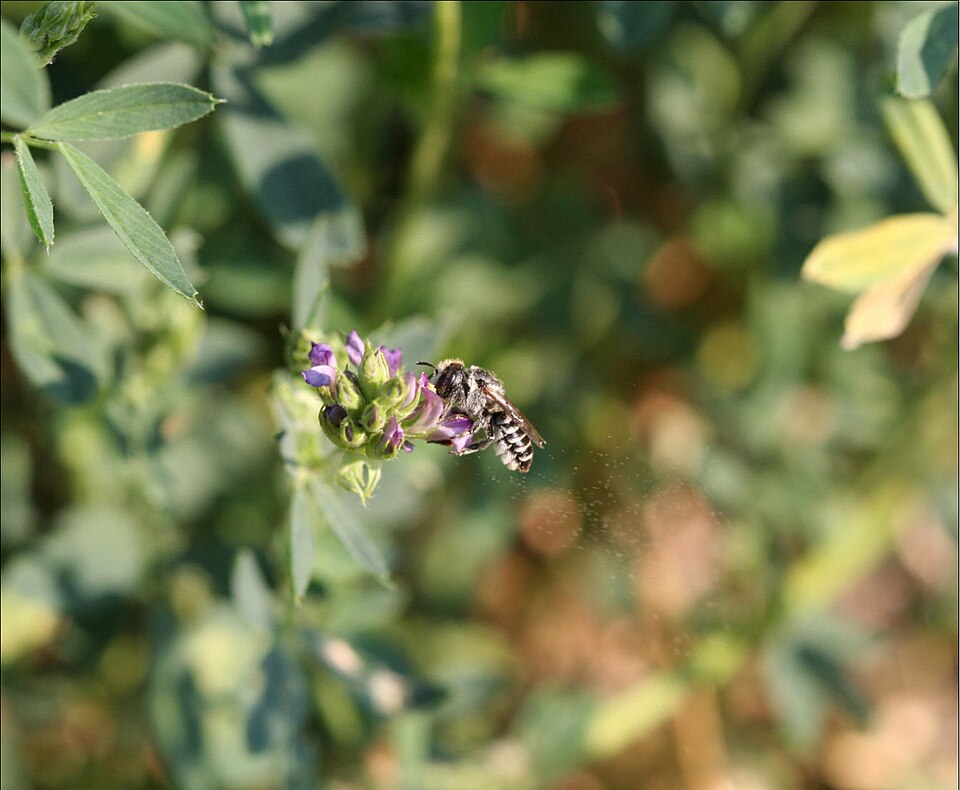 🐝
🐝Leafcutter Bee
Megachile rotundata
Drawn to Black-Eyed Susan, Yarrow
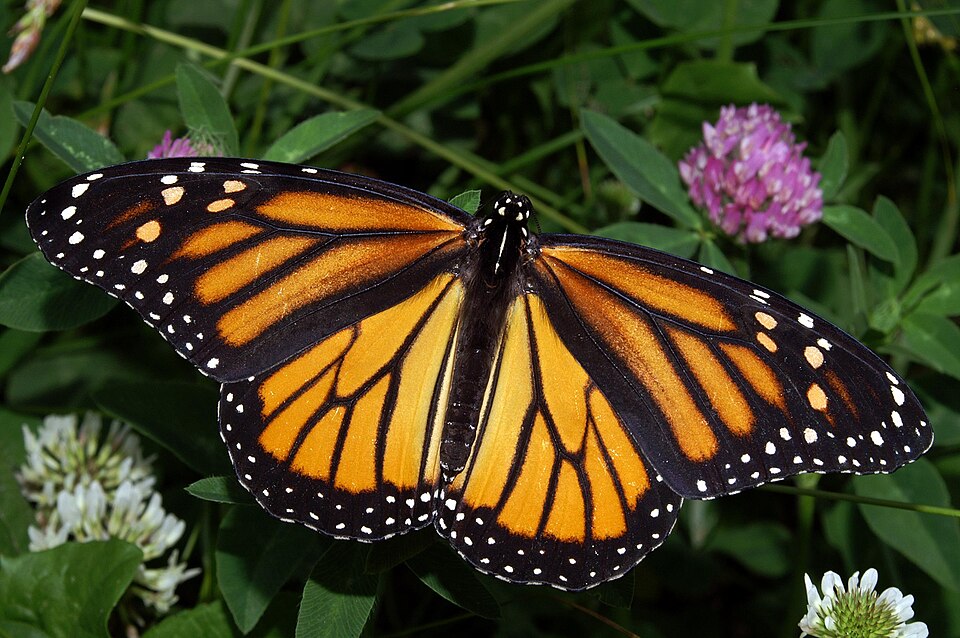 🦋
🦋Monarch Butterfly
Danaus plexippus
Drawn to New England Aster
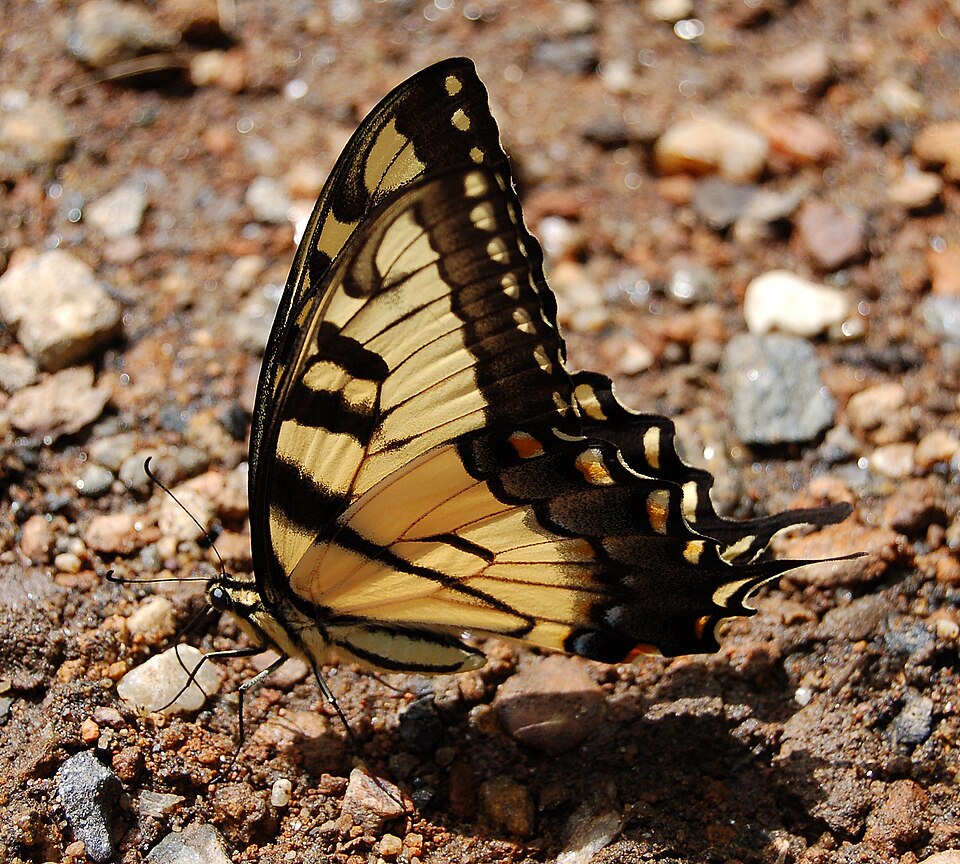 🦋
🦋Eastern Tiger Swallowtail
Papilio glaucus
Drawn to Purple Joe-Pye-Weed
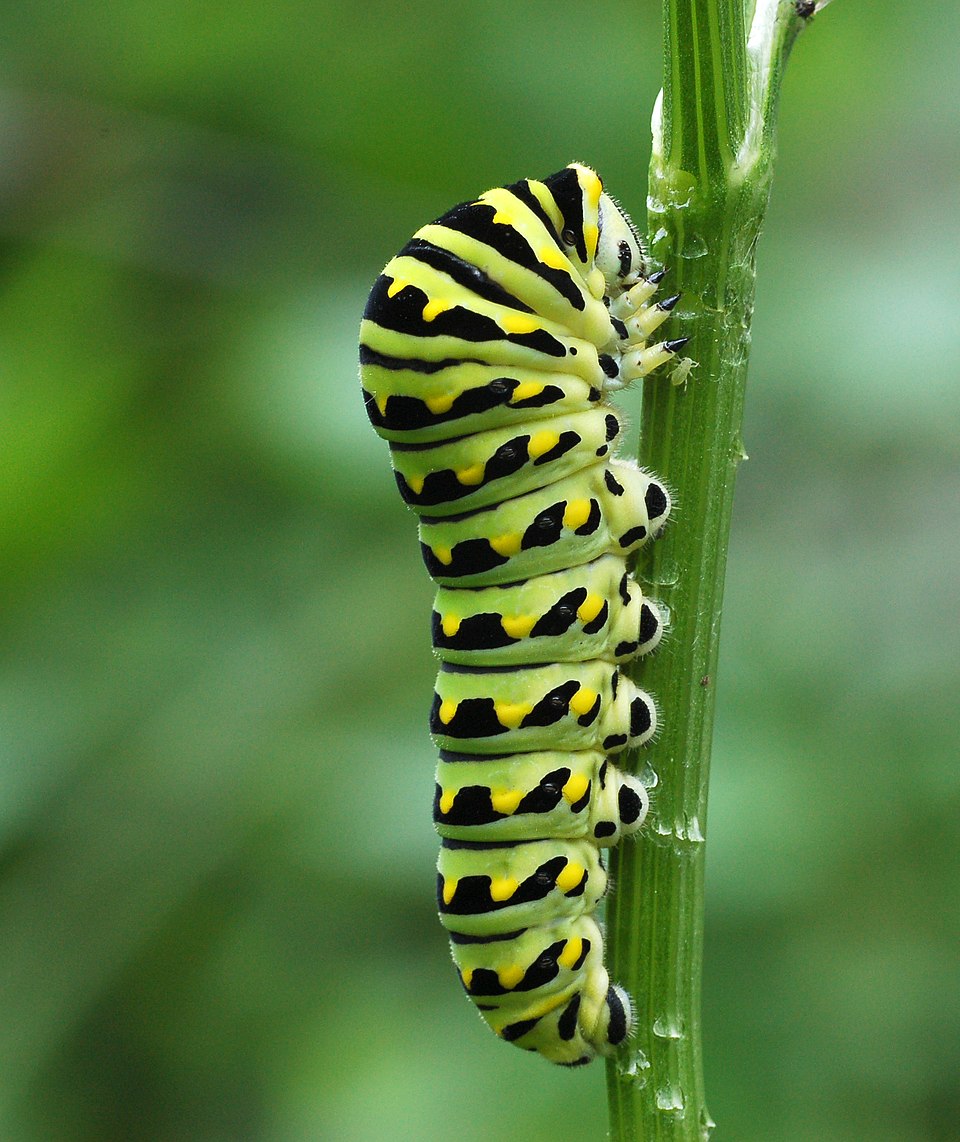 🦋
🦋Black Swallowtail
Papilio polyxenes
Drawn to Golden Alexanders, New England Aster
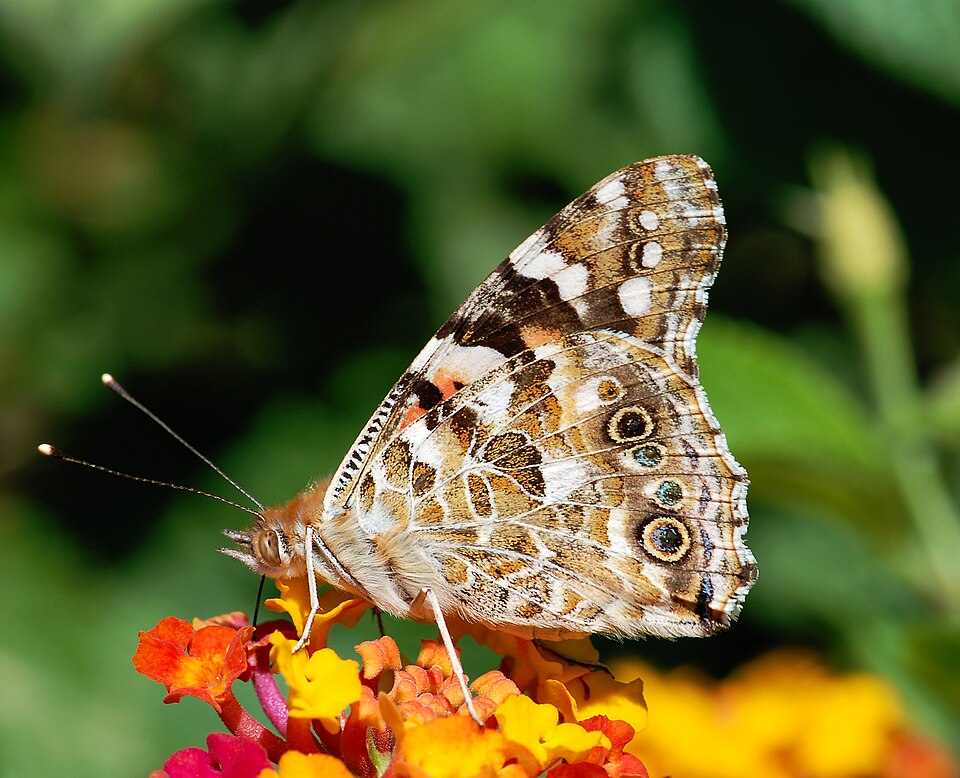 🦋
🦋Painted Lady
Vanessa cardui
Drawn to New England Aster, Black-Eyed Susan +1 more
Likely visitors based on the plants in this garden and what’s active this month.
Who this garden brings back
Because Botanywitch planted these, these named species have a place here.

Disease wiped out most of them. A single bat eats thousands of insects a night, the ones night-blooming natives raise.

A bird that once nested on every farm, now threatened. Native plants feed the flying insects it catches on the wing.

A grassland bird losing its grasslands. Native bunchgrasses bring back the insects and cover it needs.

A bubbling song of summer meadows, now threatened. Native grasses rebuild the habitat it raises its young in.
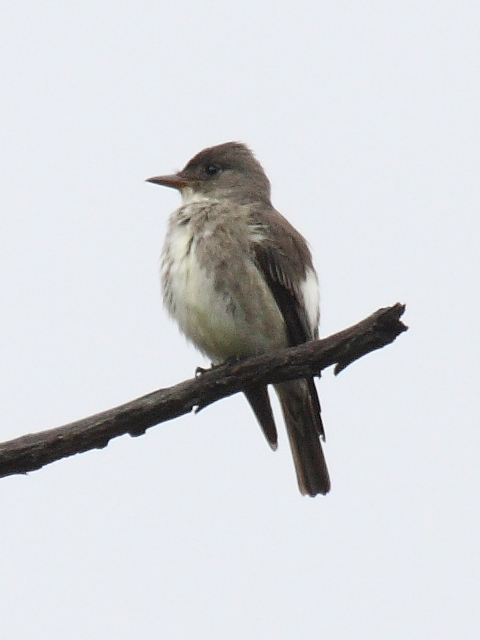
It perches on tall spruces and sallies out to catch flying insects. Native blooms keep its prey in the air.
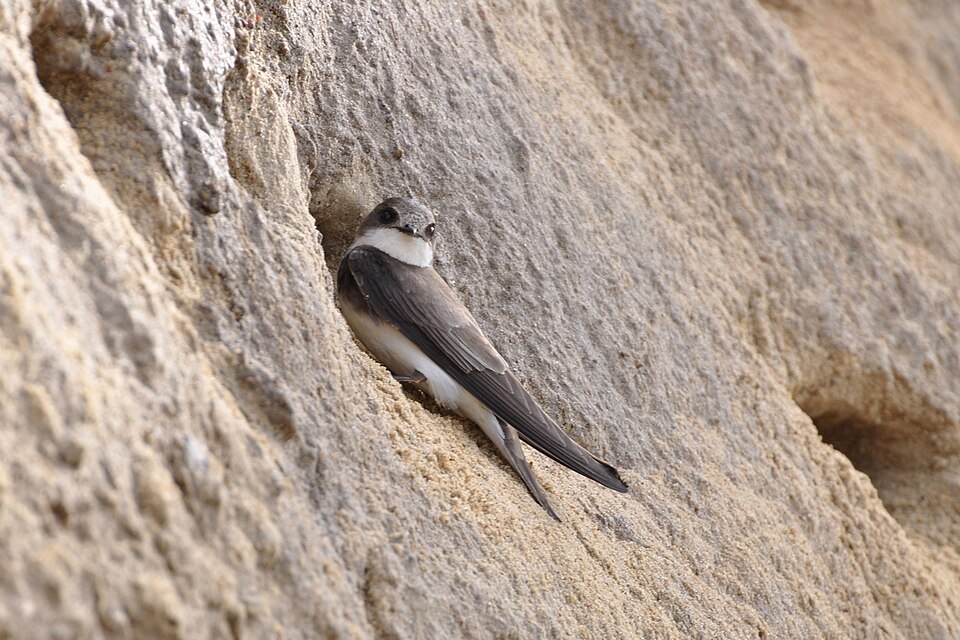
It feeds entirely on flying insects. Every native flowering patch is more food in the air it hunts.
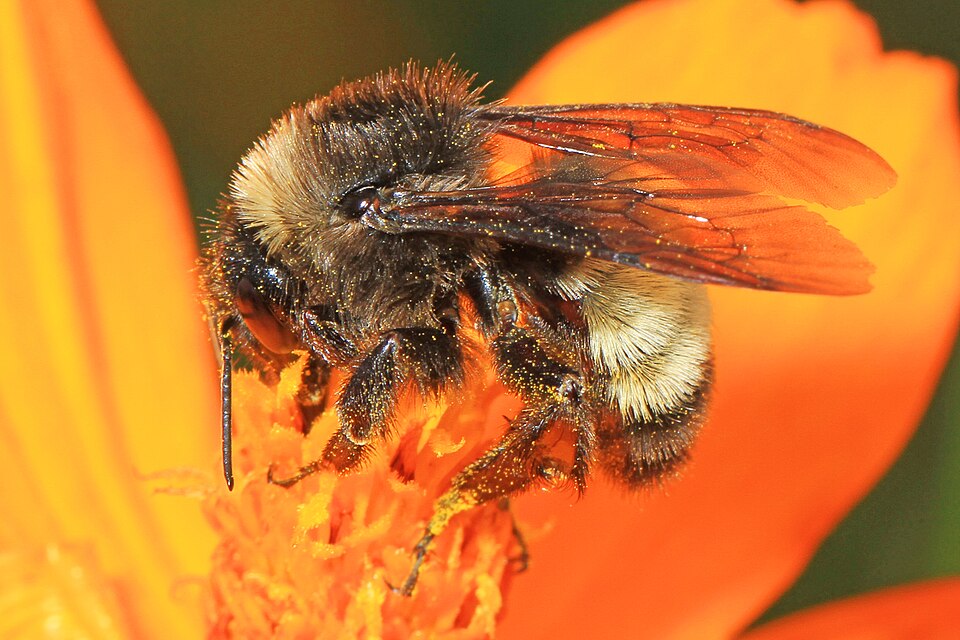
It needs goldenrod and asters to fatten up before winter. The late-summer blooms most gardens are missing.
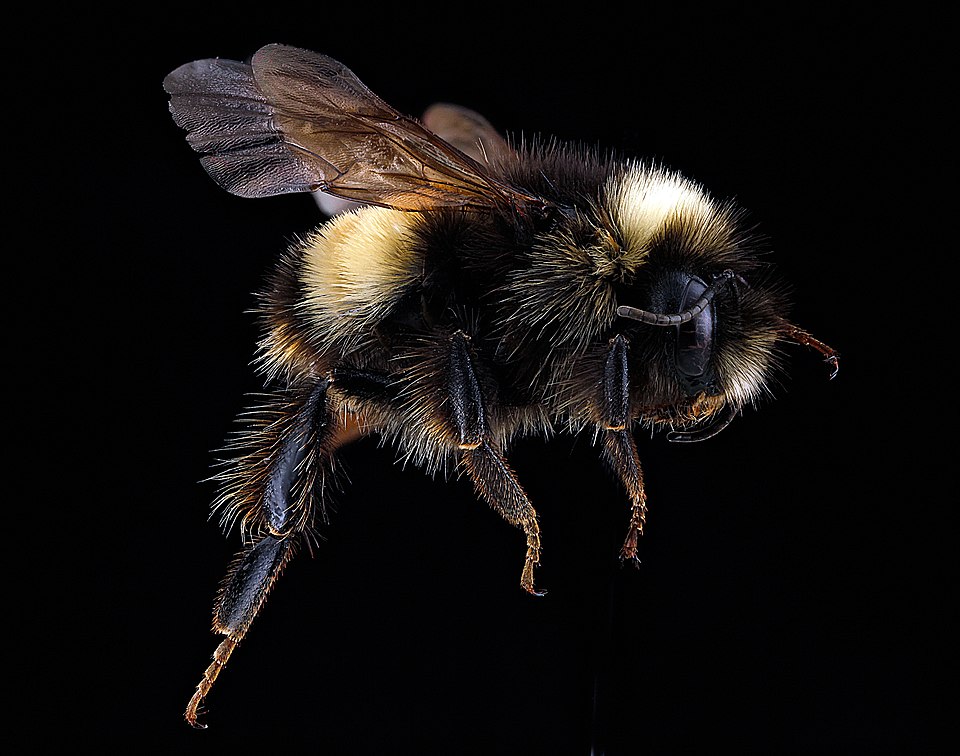
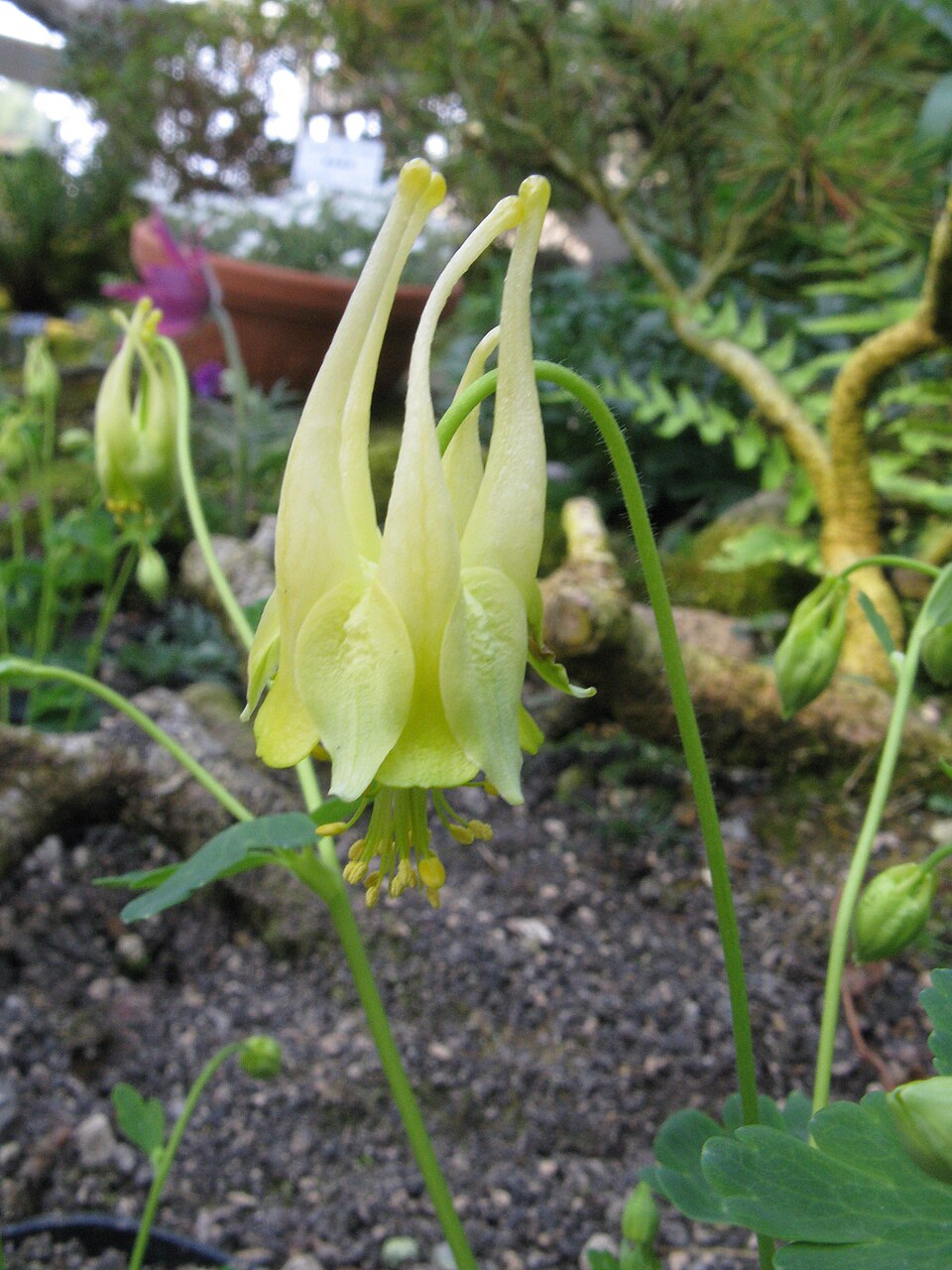
A once-common bumble bee in decline. Beebalm and columbine are among its favourites.

Its slow 'pee-a-wee' call is heard less each year. It needs the flying insects native plants support.

Our native ladybugs are being pushed out. Native plants give them aphids to hunt and cover to overwinter.
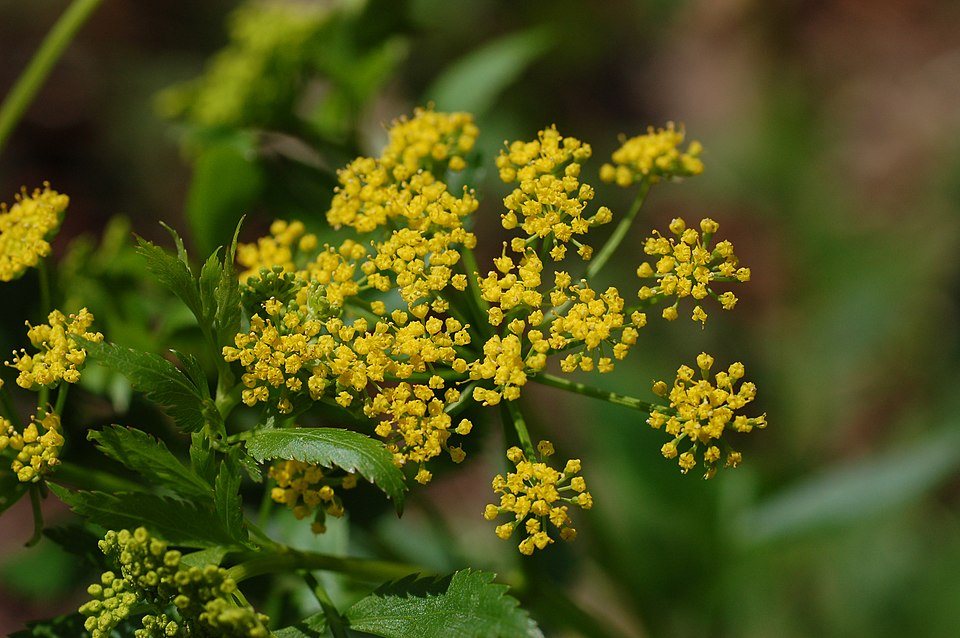
It raises its young only on plants in the carrot family. Golden Alexanders is its native one.
Photos: Photo by Marvin Moriarty/USFWS, public domain · Photo by Malene Thyssen, CC BY-SA 3.0 · Photo by Ken Thomas, public domain · Photo by Paul Engel, CC BY-SA 4.0 · Photo by Mike's Birds, CC BY-SA 2.0 · Photo by John, CC BY 2.0 · Photo by Judy Gallagher, CC BY 2.0 · Photo by USGS Bee Inventory and Monitoring Lab, public domain · Photo by Dan Pancamo, CC BY-SA 2.0 · Photo by Hectonichus, CC BY-SA 3.0 · Photo by D. Gordon E. Robertson, CC BY-SA 3.0
support pollinators
feed birds
host caterpillars
Categories overlap. A single species often supports pollinators, birds, and caterpillars at once.
This garden already supports 10 different species at risk, a real corridor stop.
Something is in bloom in 7 of the 7 months of the growing season.