What this garden supports in July
In season now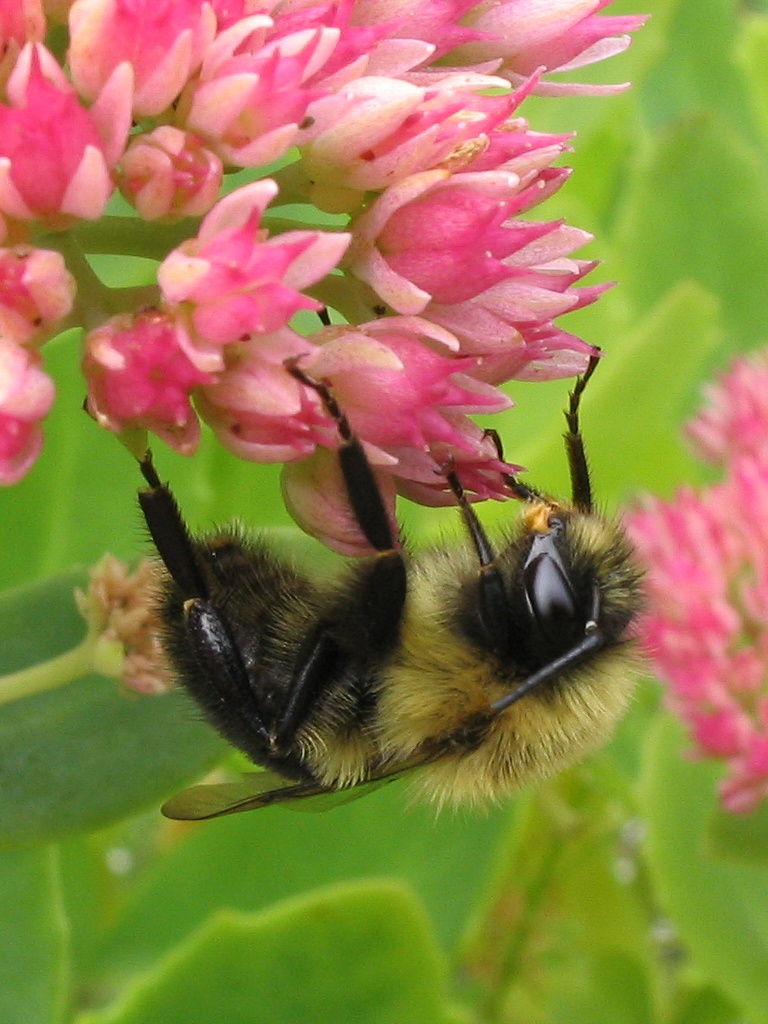 🐝
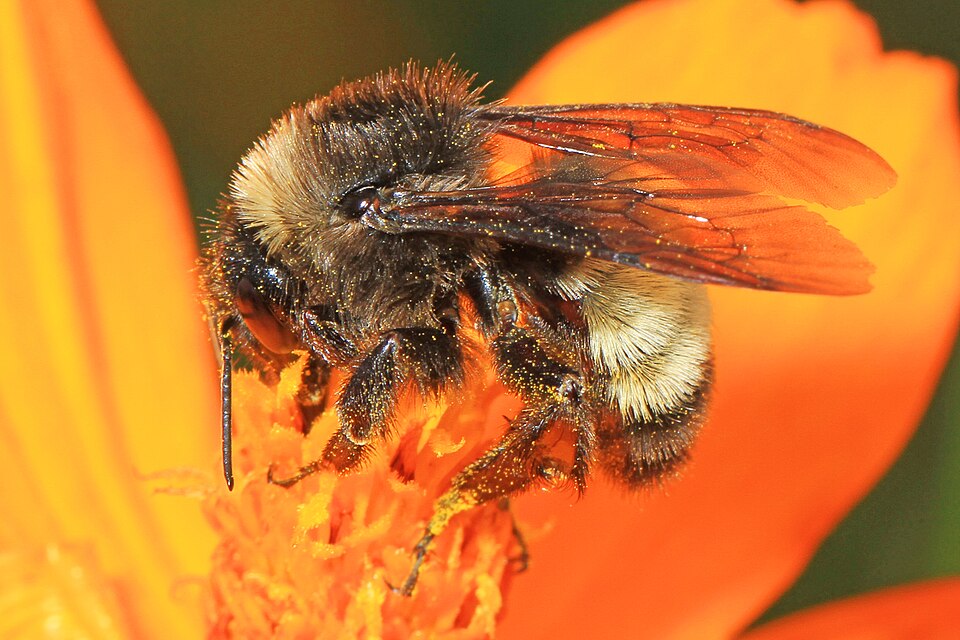
🐝Common Eastern Bumble Bee
Bombus impatiens
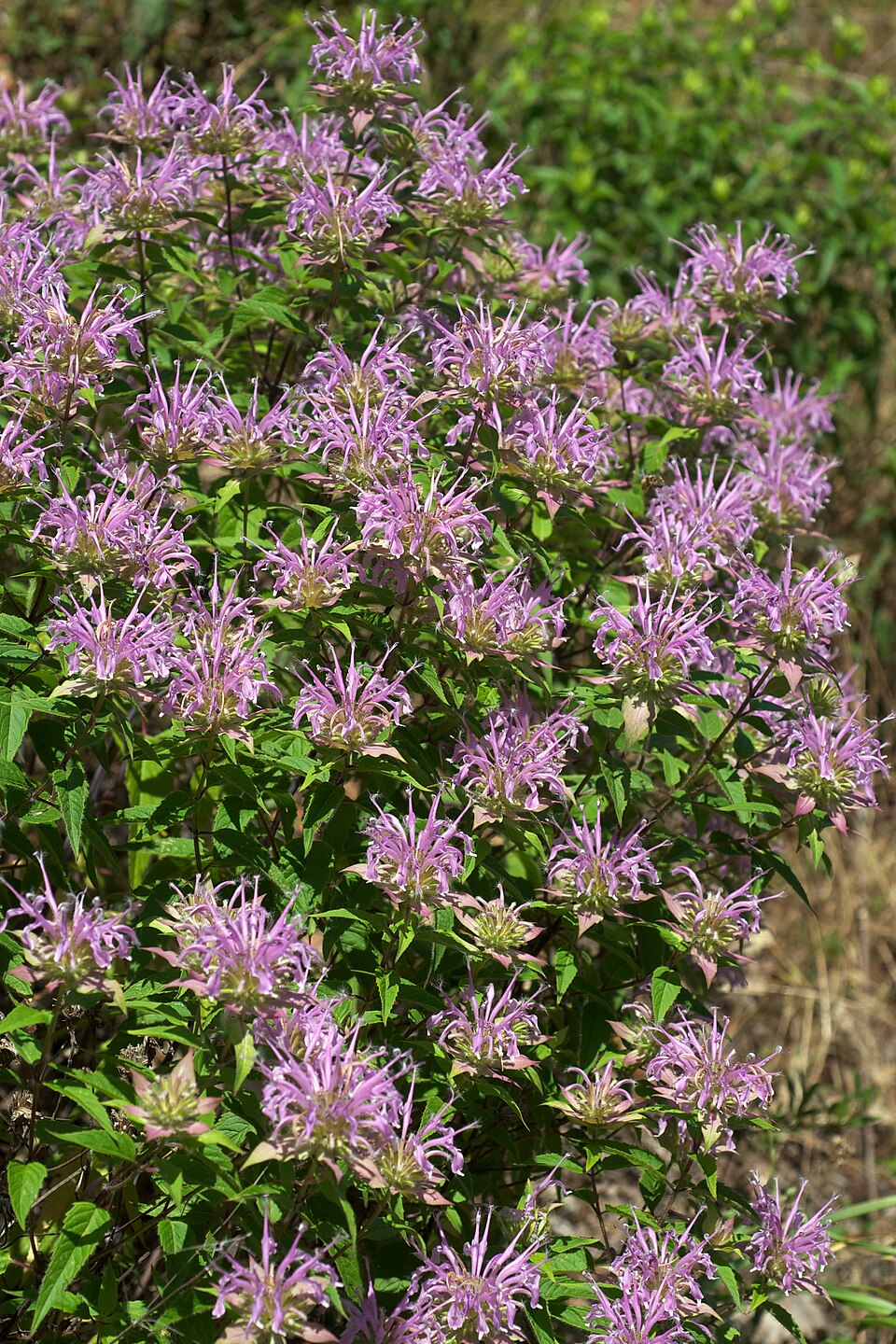
Drawn to Wild Bergamot
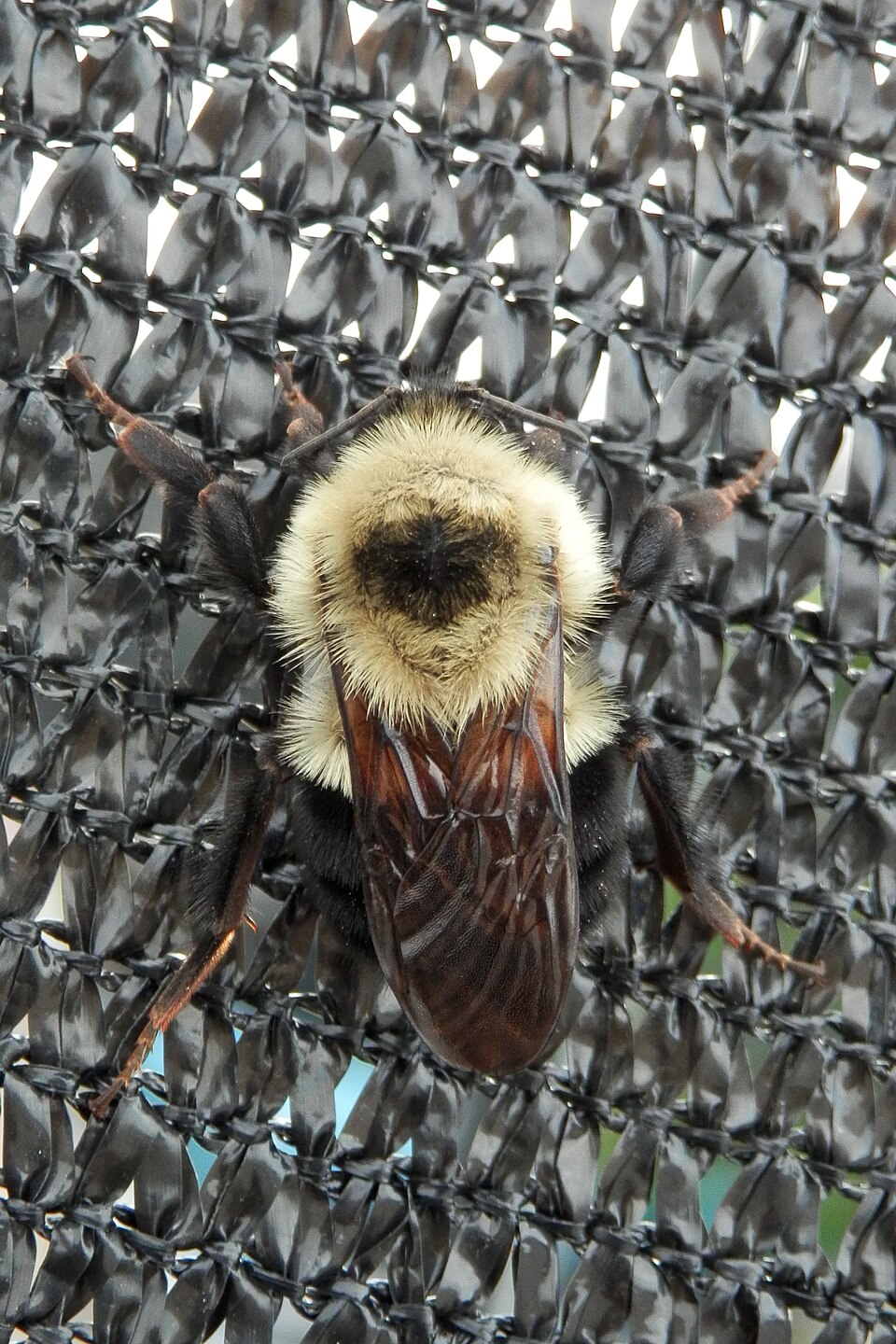 🐝
🐝Two-spotted Bumble Bee
Bombus bimaculatus
Drawn to Wild Bergamot
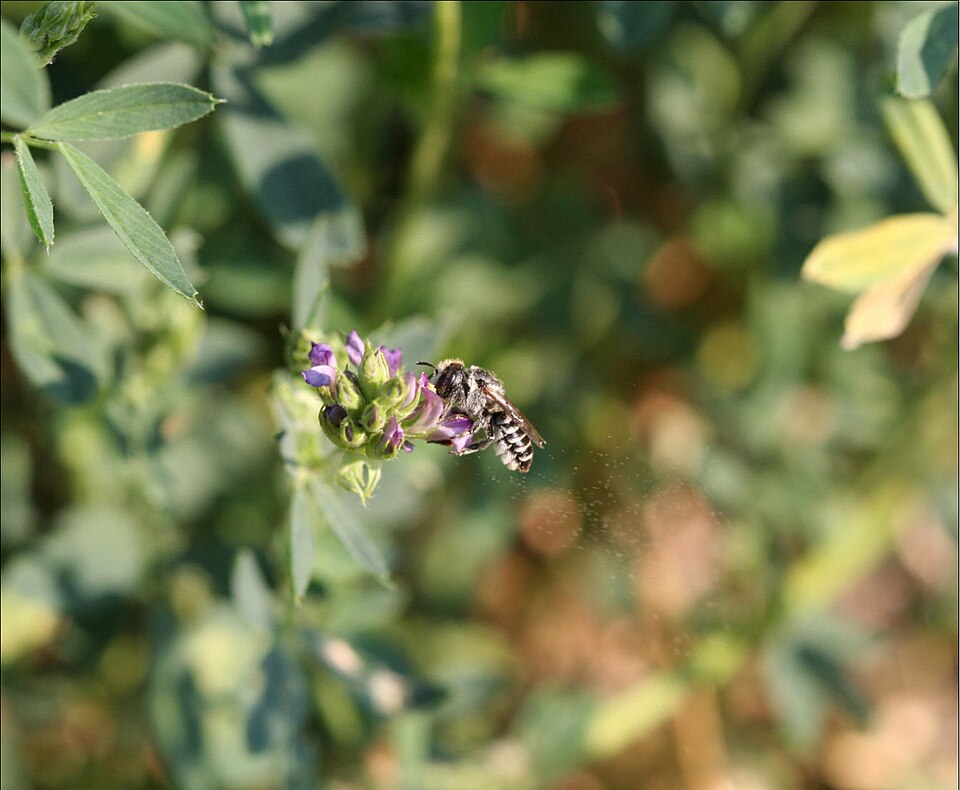 🐝
🐝Leafcutter Bee
Megachile spp.
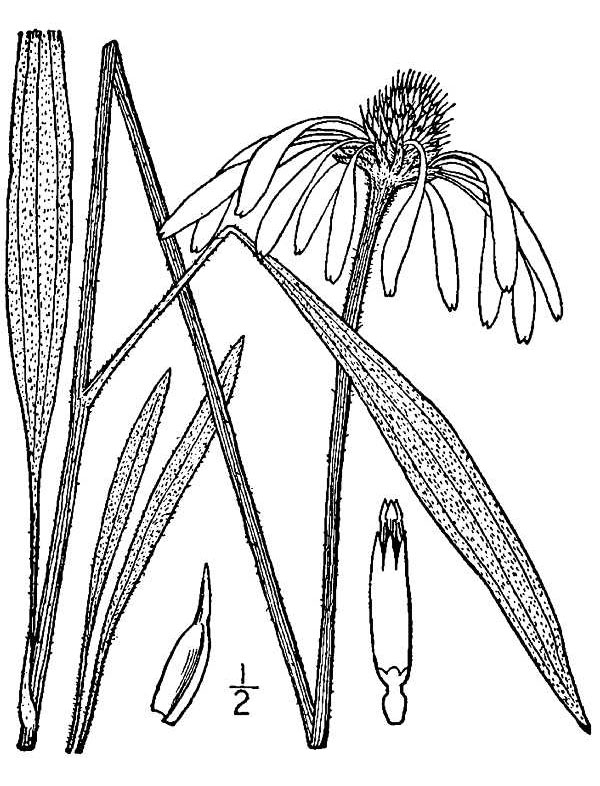
Drawn to Pale Purple Coneflower
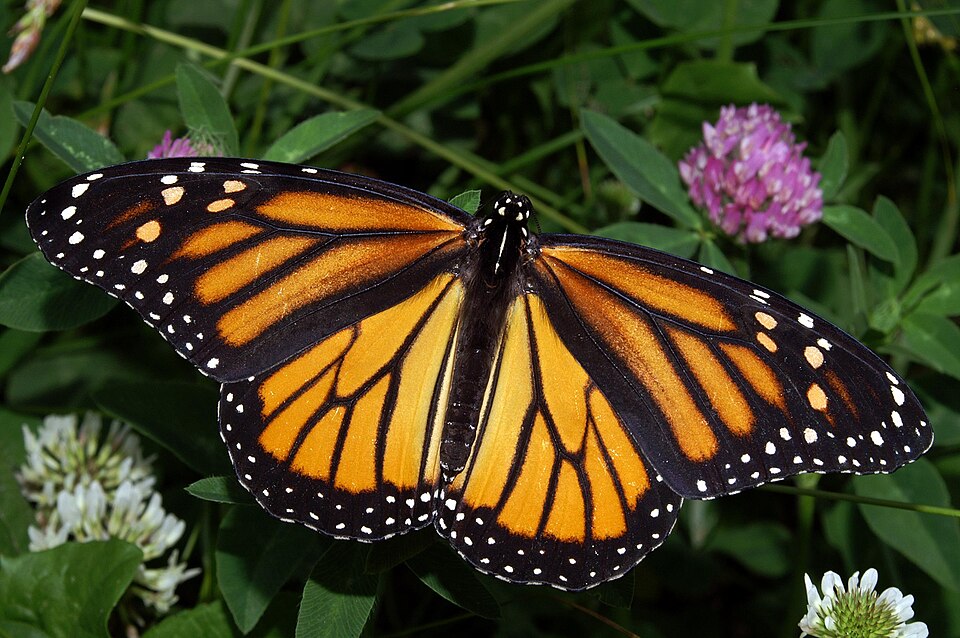 🦋
🦋Monarch Butterfly
Danaus plexippus
Drawn to Wild Bergamot
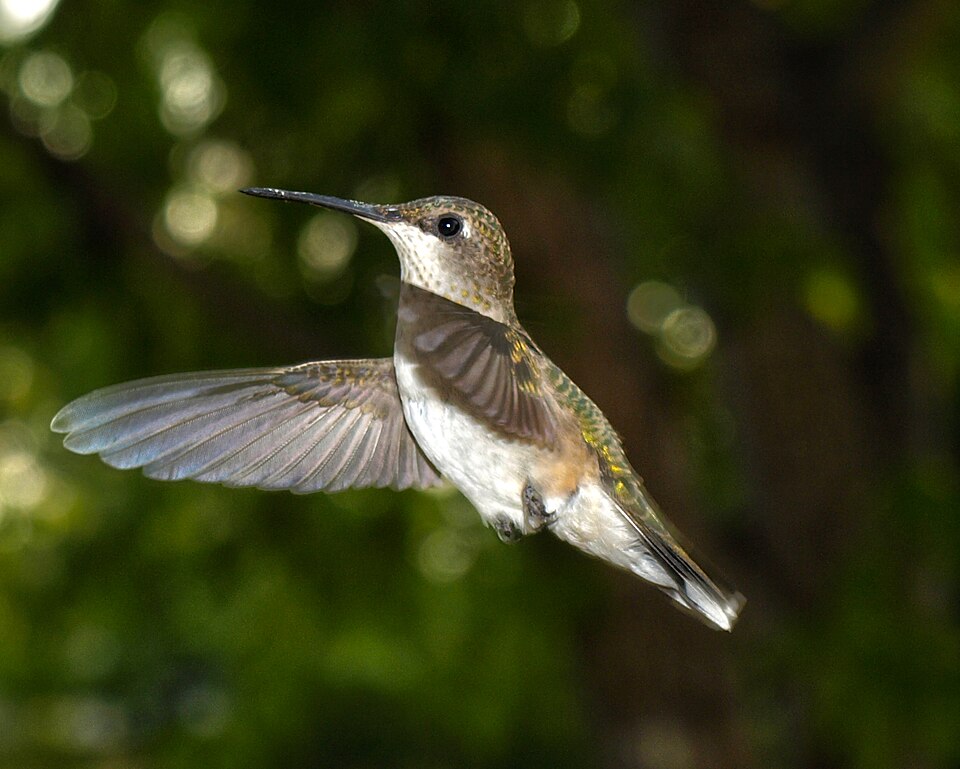 🌺
🌺Ruby-throated Hummingbird
Archilochus colubris
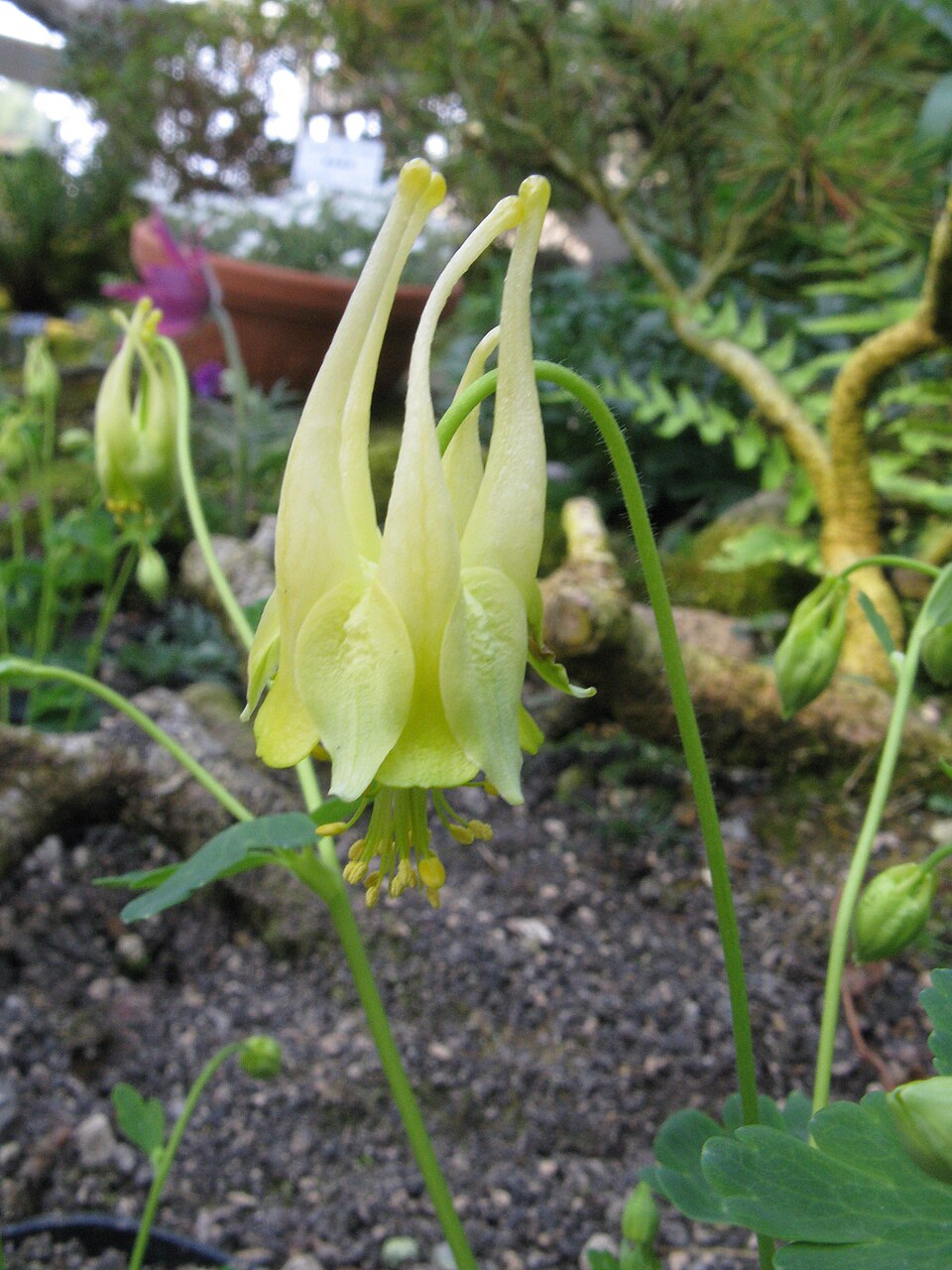
Drawn to Red Columbine, Foxglove Beardtongue
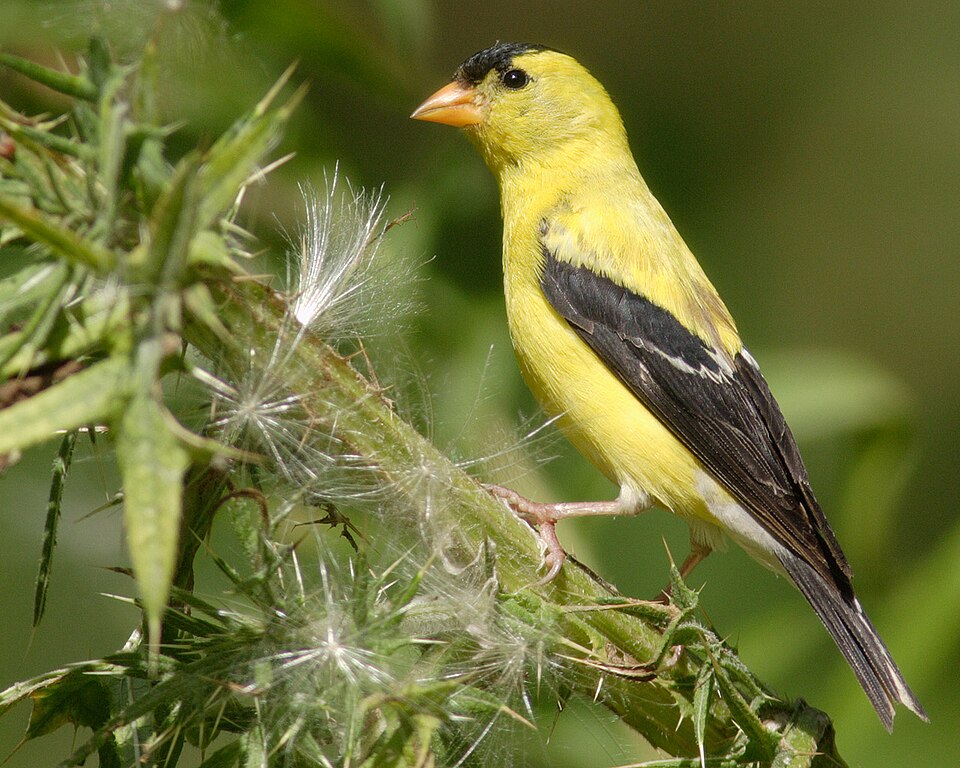 🐦
🐦American Goldfinch
Spinus tristis
Drawn to Pale Purple Coneflower
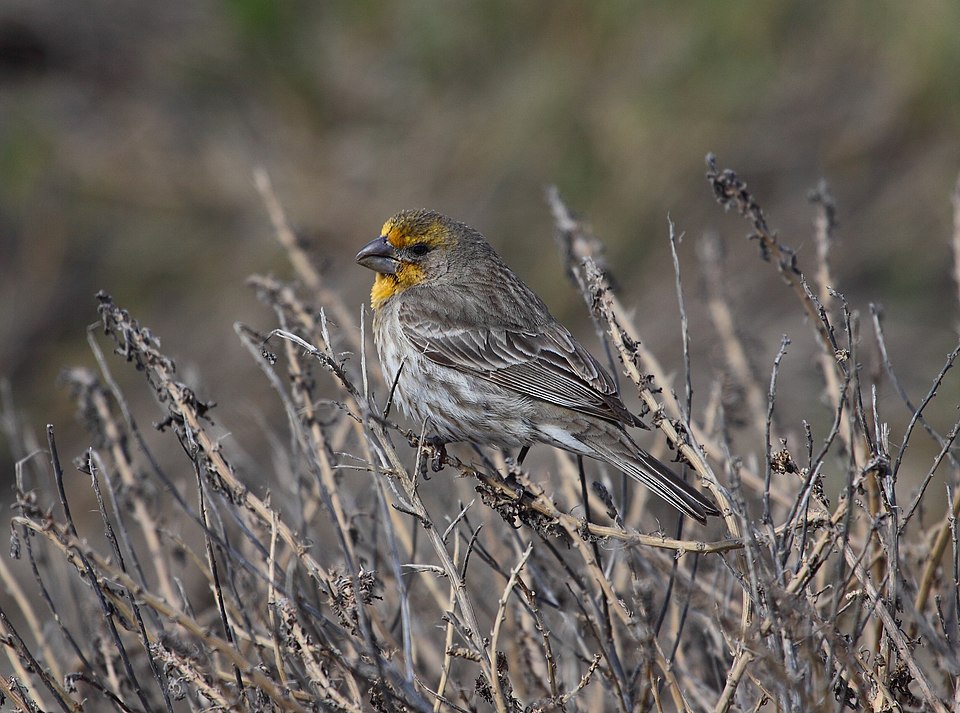 🐦
🐦House Finch
Haemorhous mexicanus
Drawn to Pale Purple Coneflower
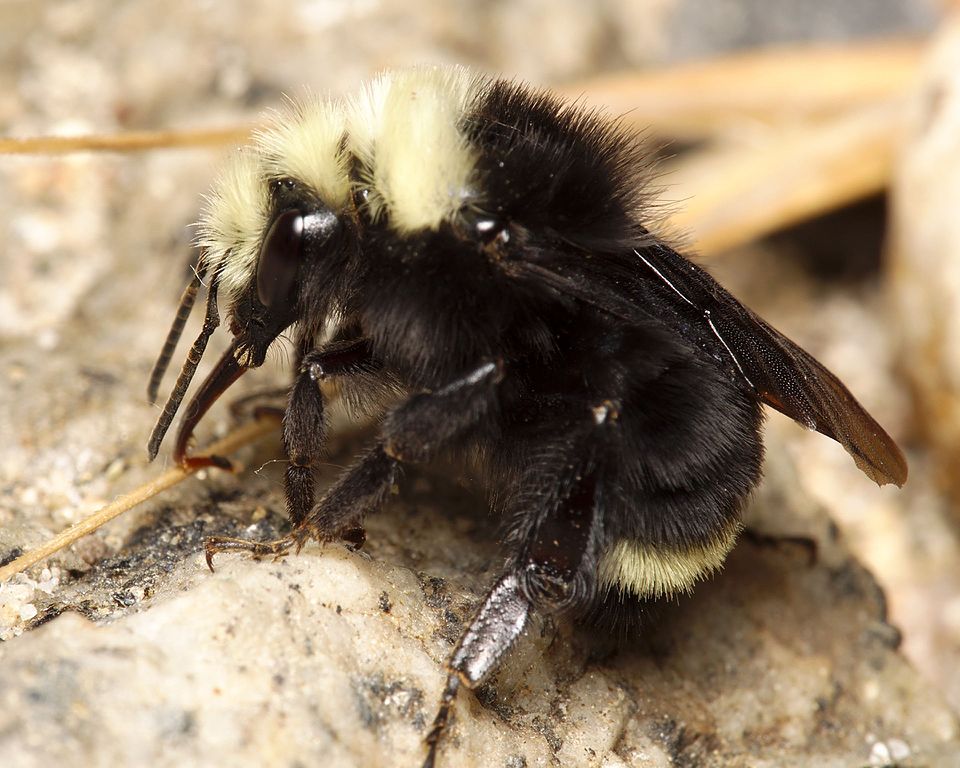 🐝
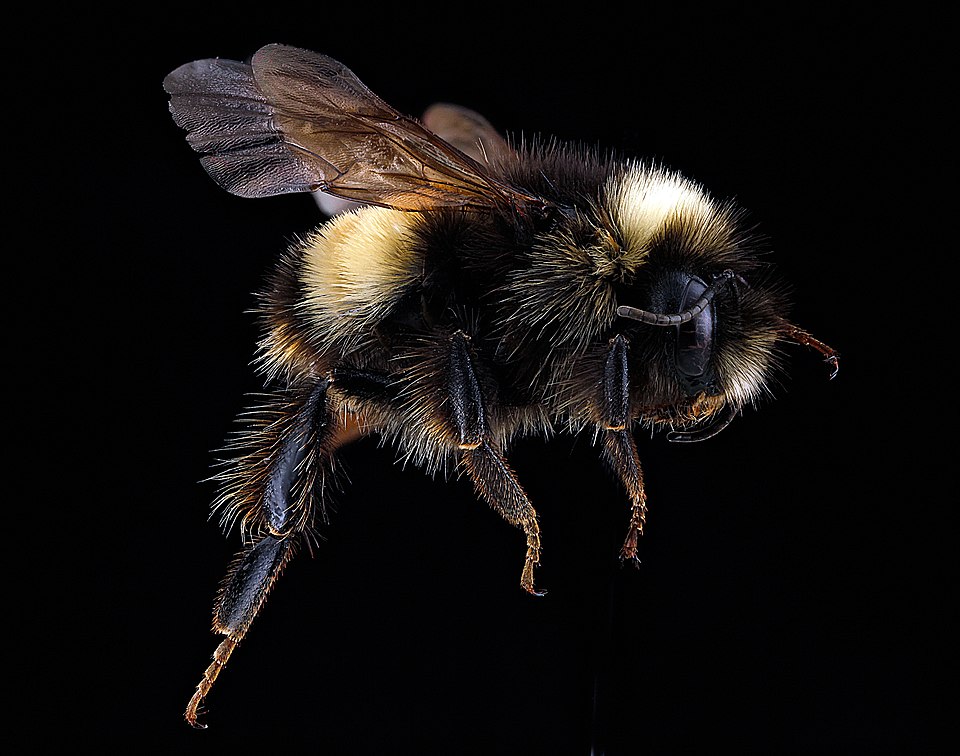
🐝Yellow-faced Bumble Bee
Bombus vosnesenskii
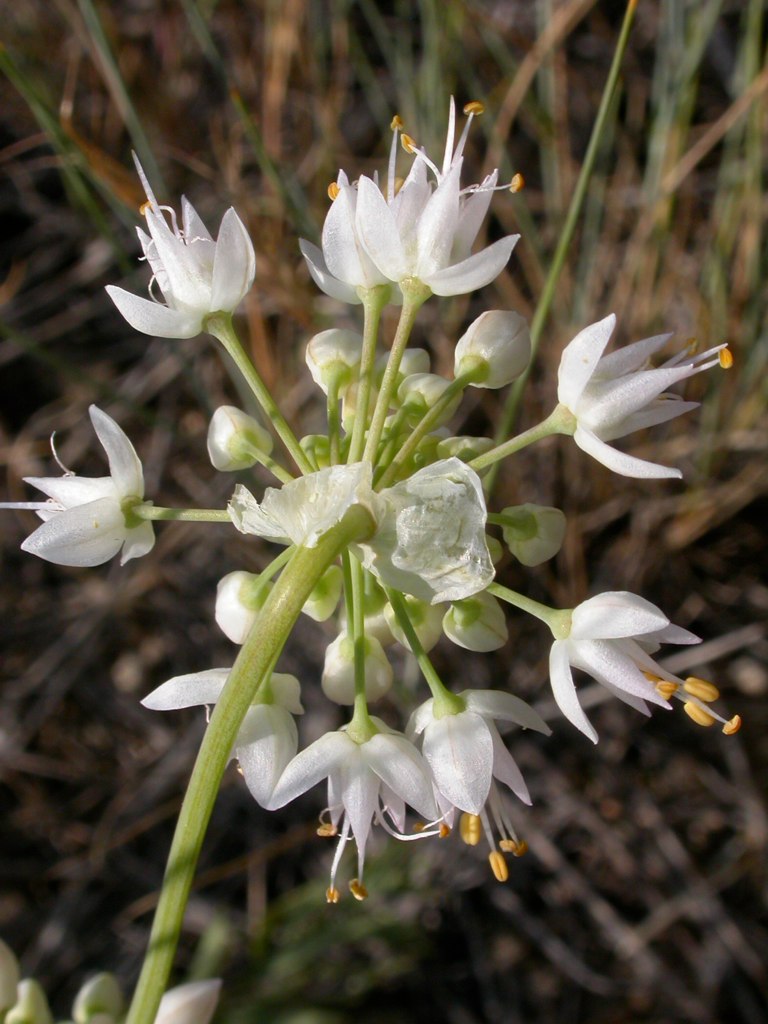
Drawn to Nodding Onion
Likely visitors based on the plants in this garden and what’s active this month.
Who this garden brings back
Because JanetN planted these, these named species have a place here.
At-risk status from COSEWIC and the Species at Risk Act registry in Canada, and the US Fish and Wildlife Service in the United States. Each species links to its own assessment.
- Monarch ButterflyEndangeredButterfly
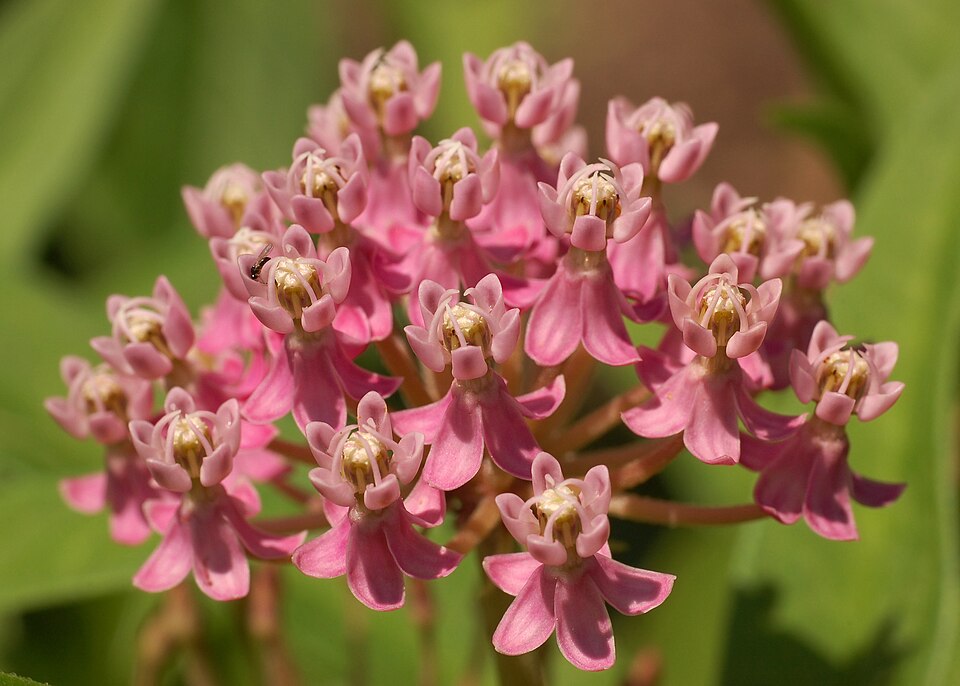
A Monarch can only raise its young on milkweed. No milkweed, no Monarchs. It's that simple, and that fixable.
COSEWIC / SARA 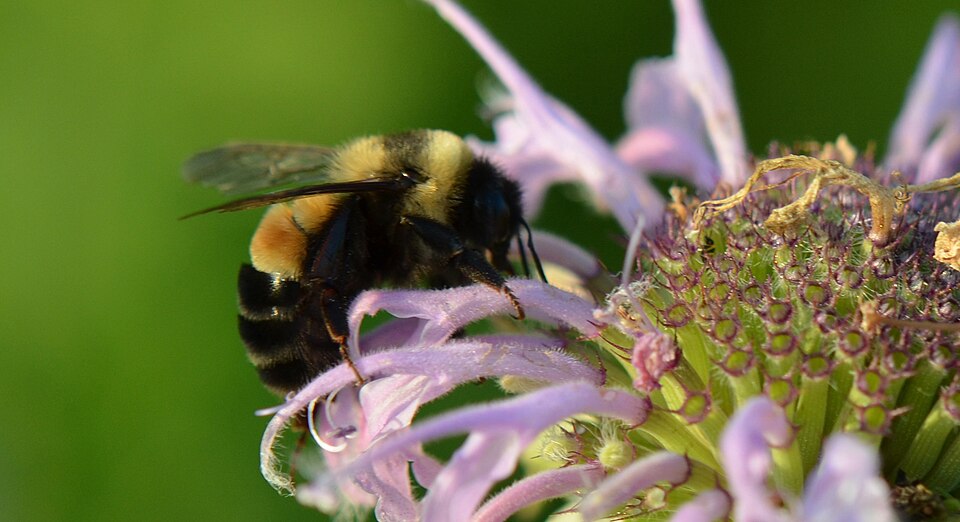 Rusty-patched Bumble BeeEndangeredBee
Once common across eastern North America, now almost gone. It feeds on wild bergamot and asters, flowers any yard can grow.
COSEWIC / SARA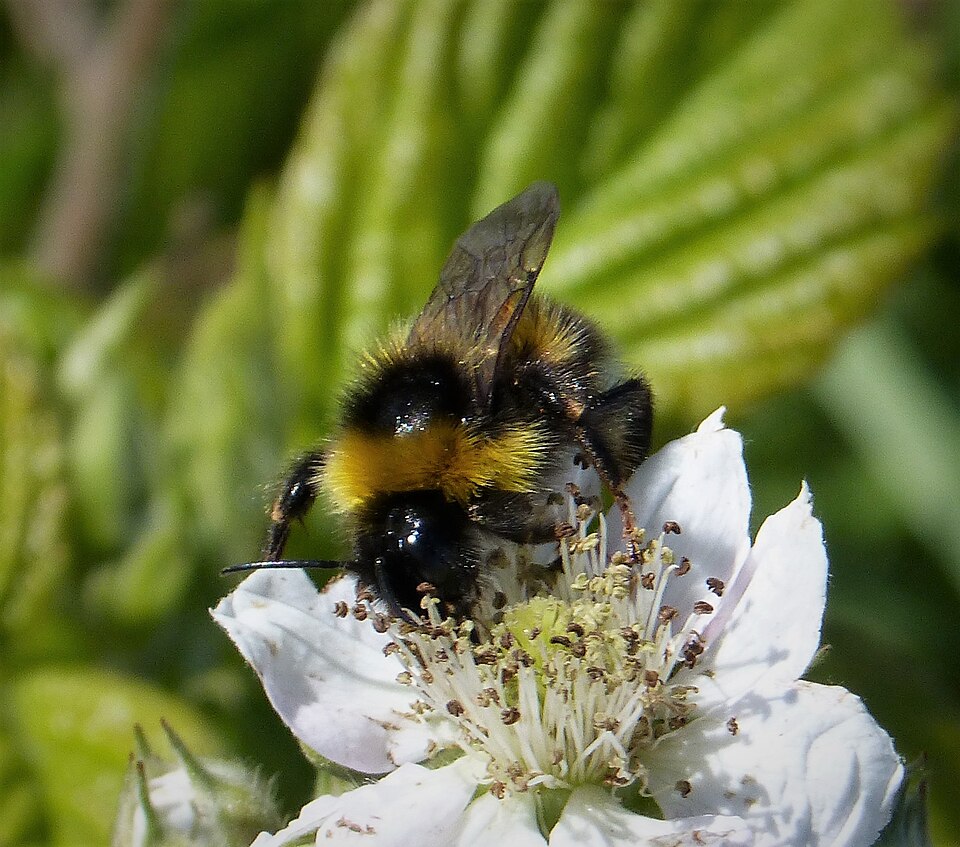
At a glance
- 100%
support pollinators
- 75%
feed birds
- 92%
host caterpillars
Categories overlap. A single species often supports pollinators, birds, and caterpillars at once.
More than half the plants here are larval hosts, raising the caterpillars that baby songbirds depend on.
Blooming through the year
Something is in bloom in 6 of the 7 months of the growing season.