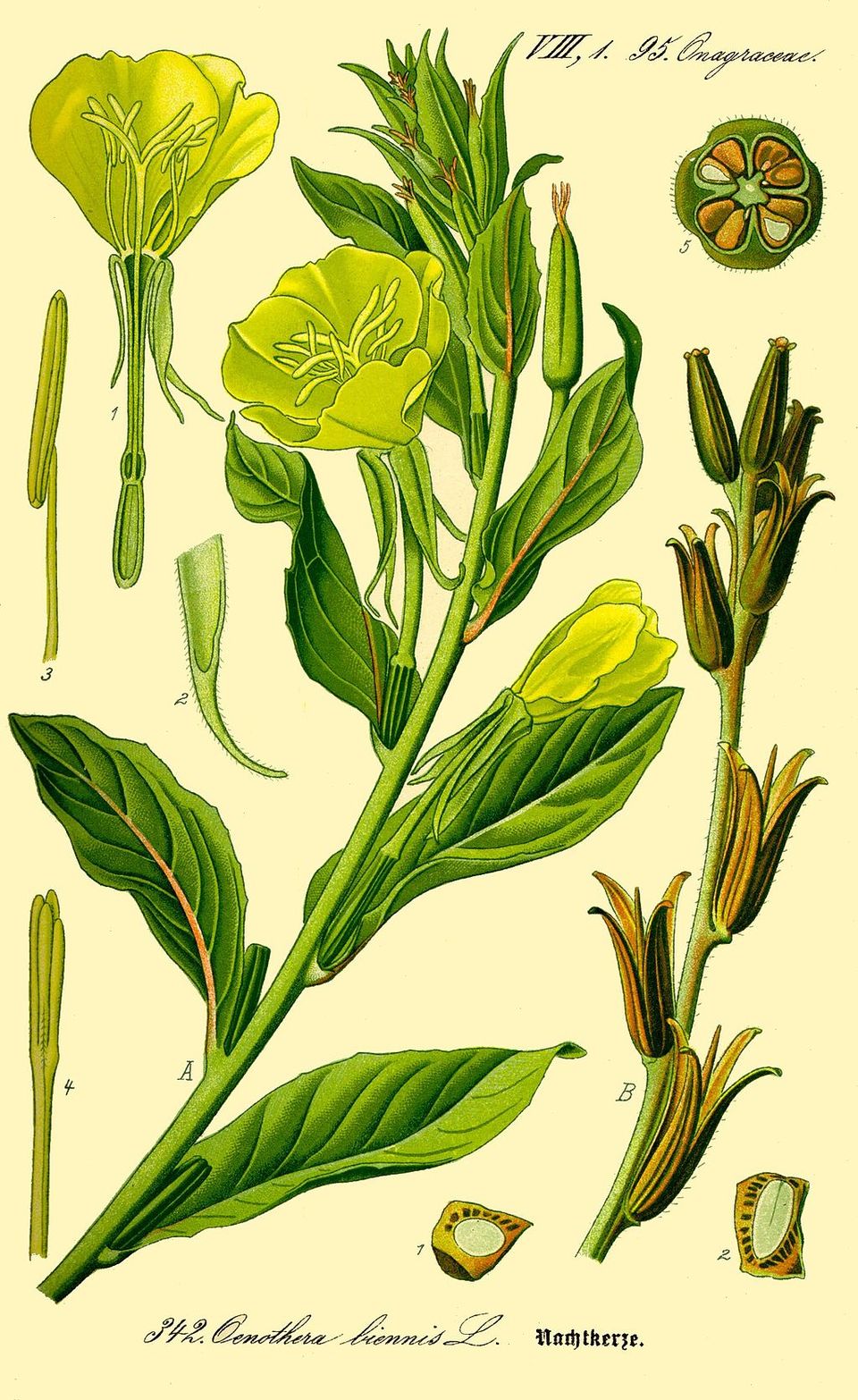
What this garden supports in July
In season now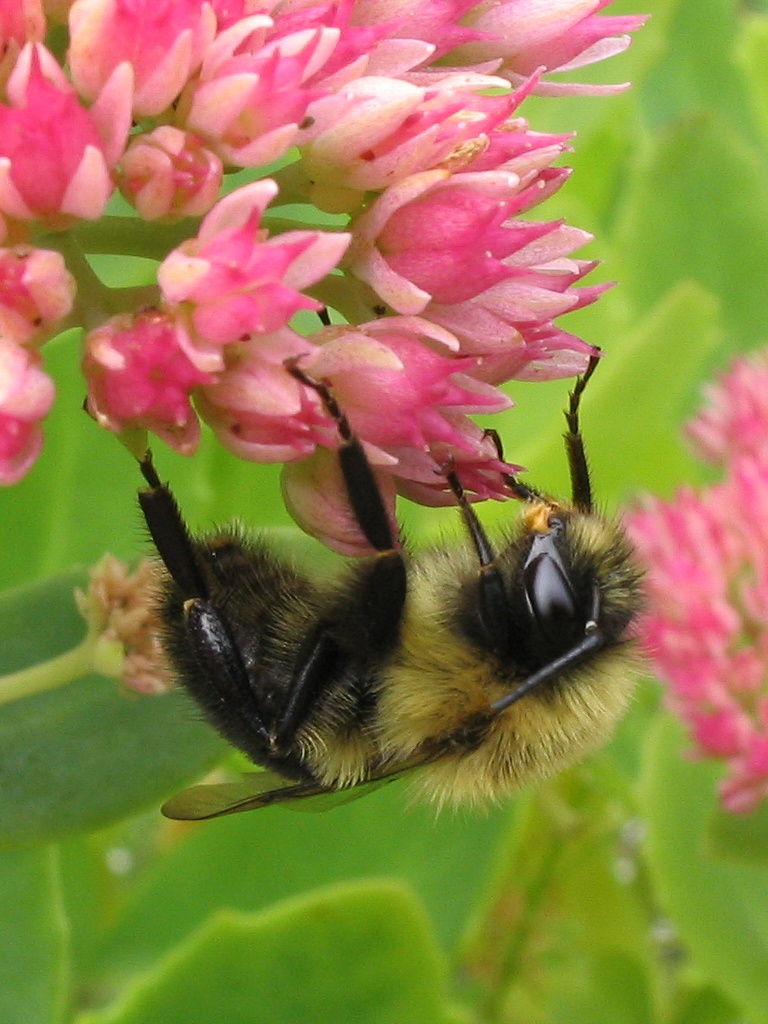 🐝
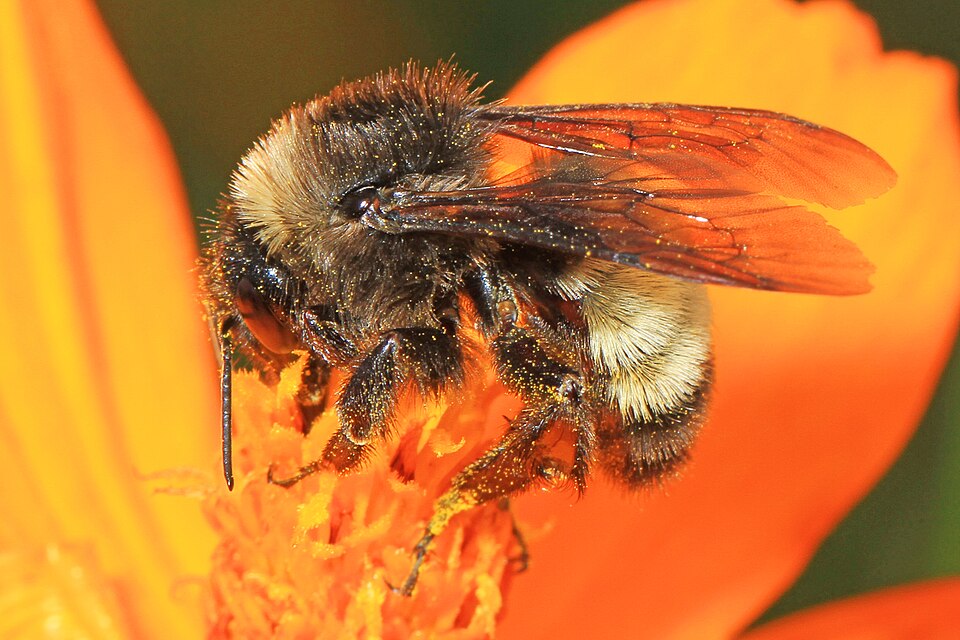
🐝Common Eastern Bumble Bee
Bombus impatiens
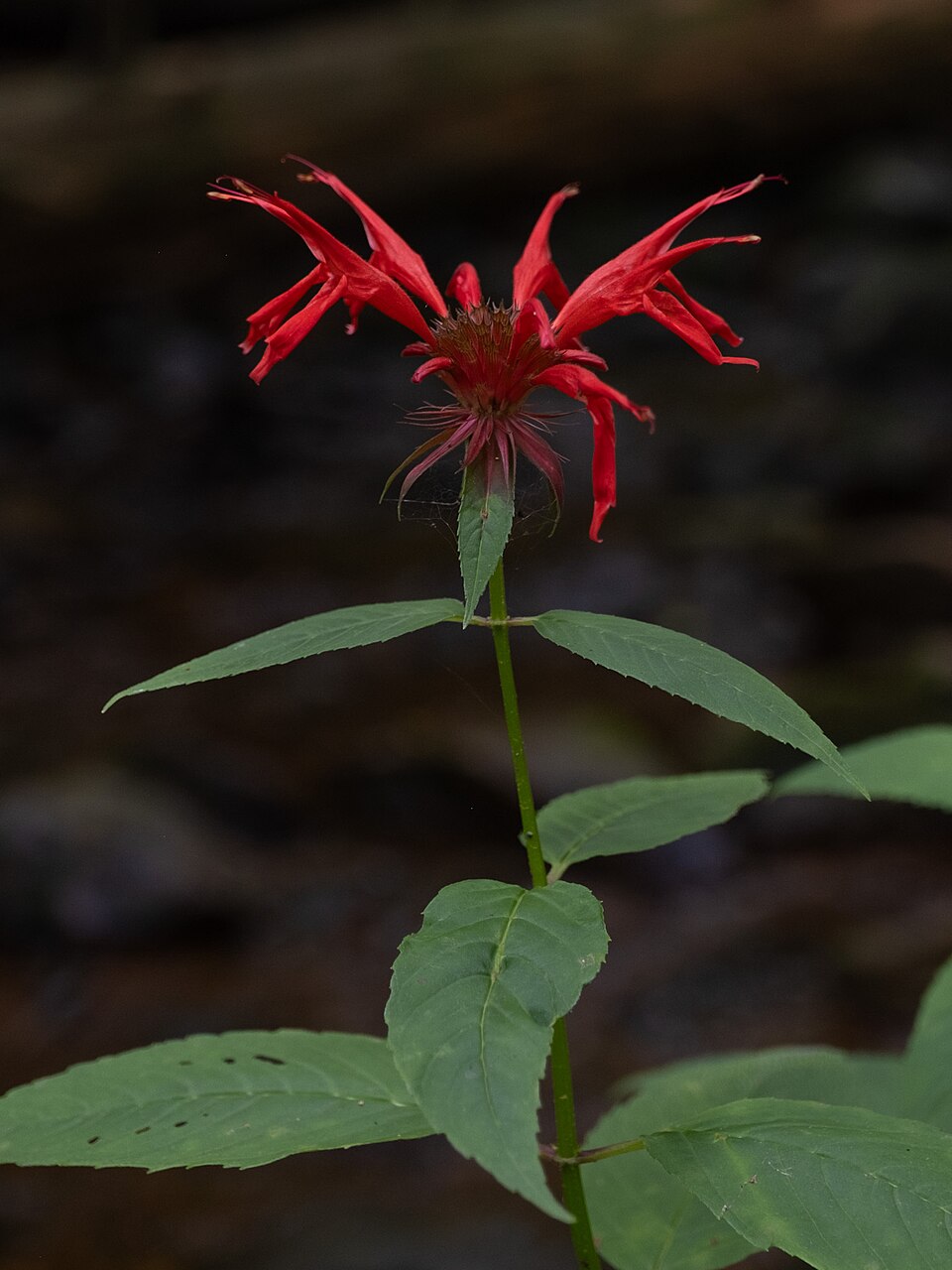
Drawn to Scarlet Beebalm, New England Aster
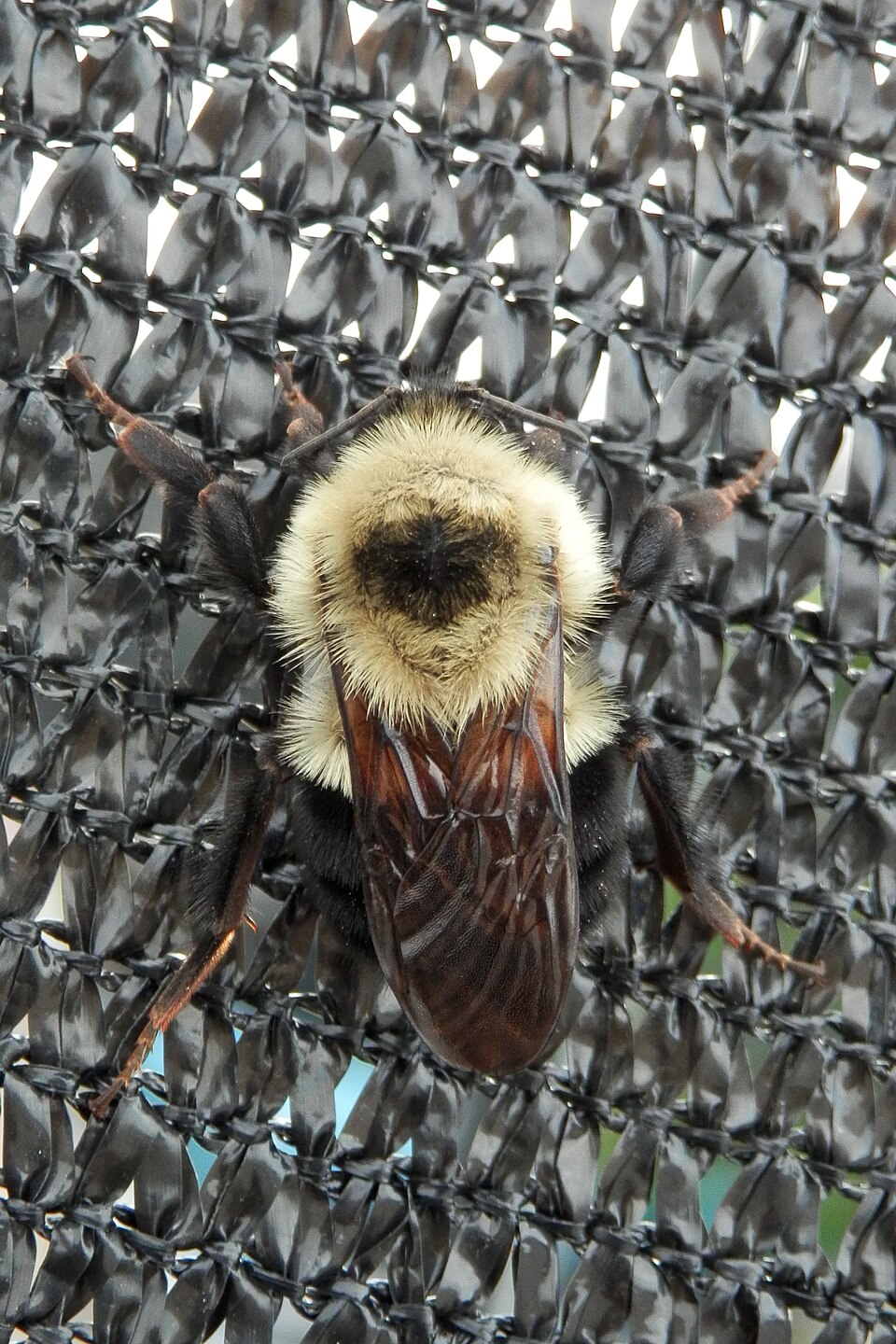 🐝
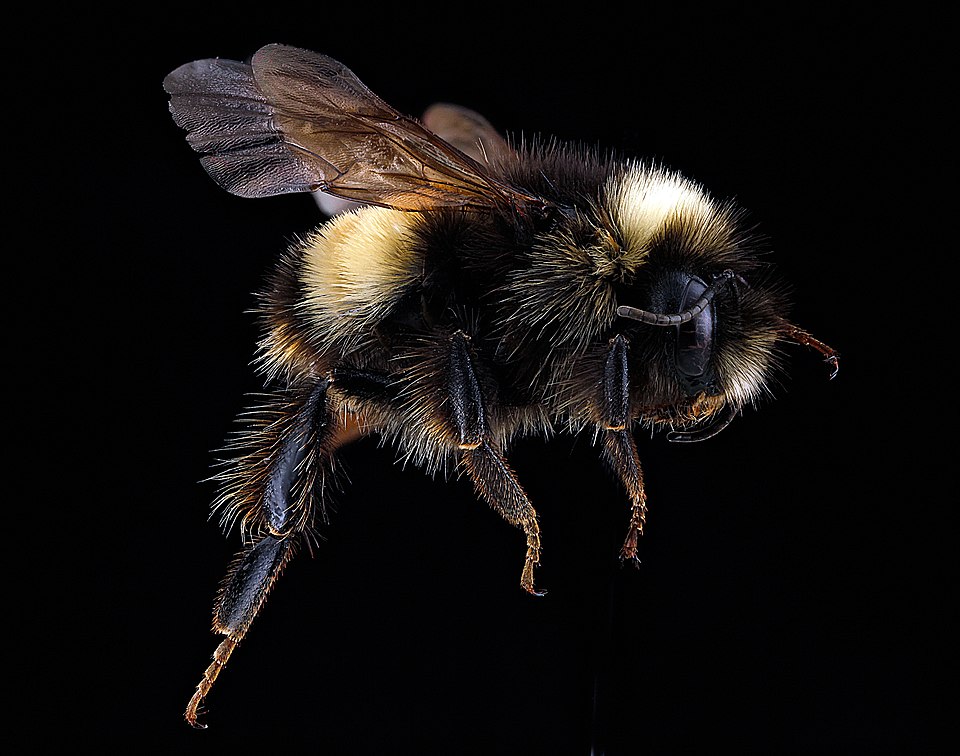
🐝Two-spotted Bumble Bee
Bombus bimaculatus
Drawn to Scarlet Beebalm
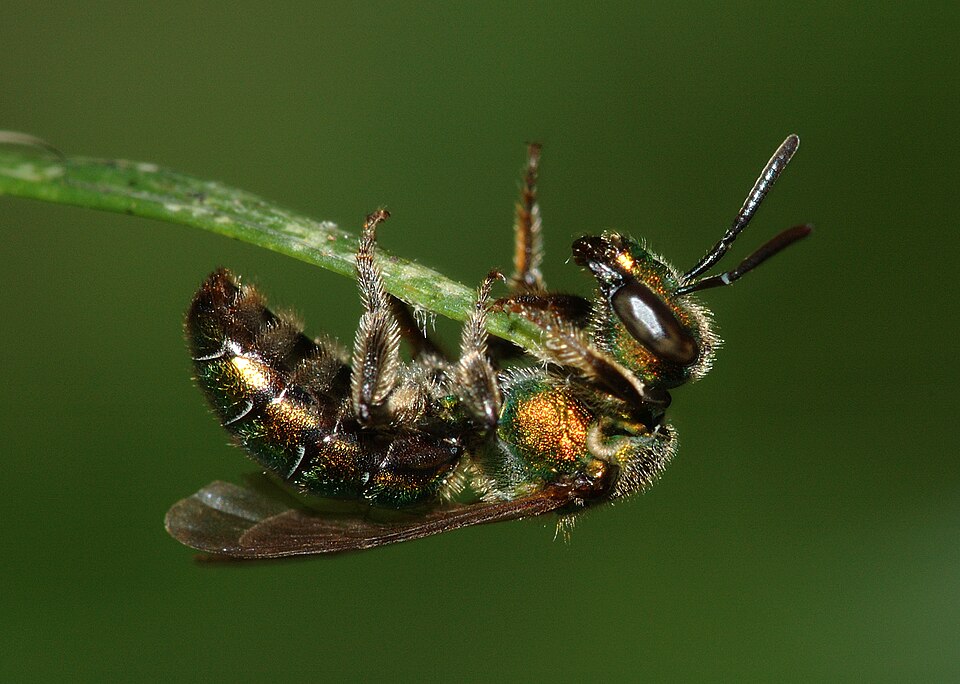 🐝
🐝Sweat Bee
Halictus ligatus
Drawn to Common Evening-Primrose
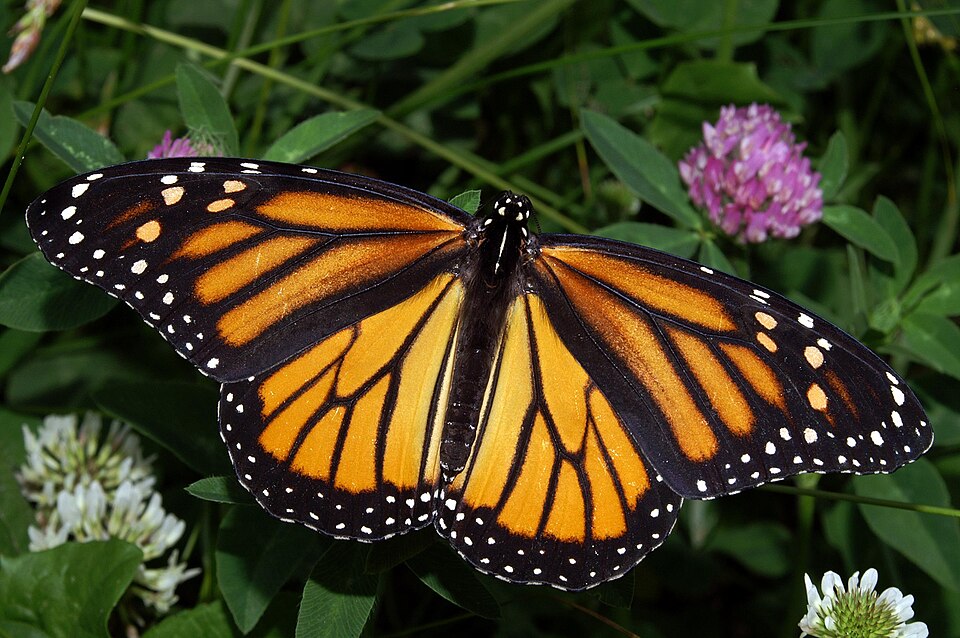 🦋
🦋Monarch Butterfly
Danaus plexippus
Drawn to New England Aster
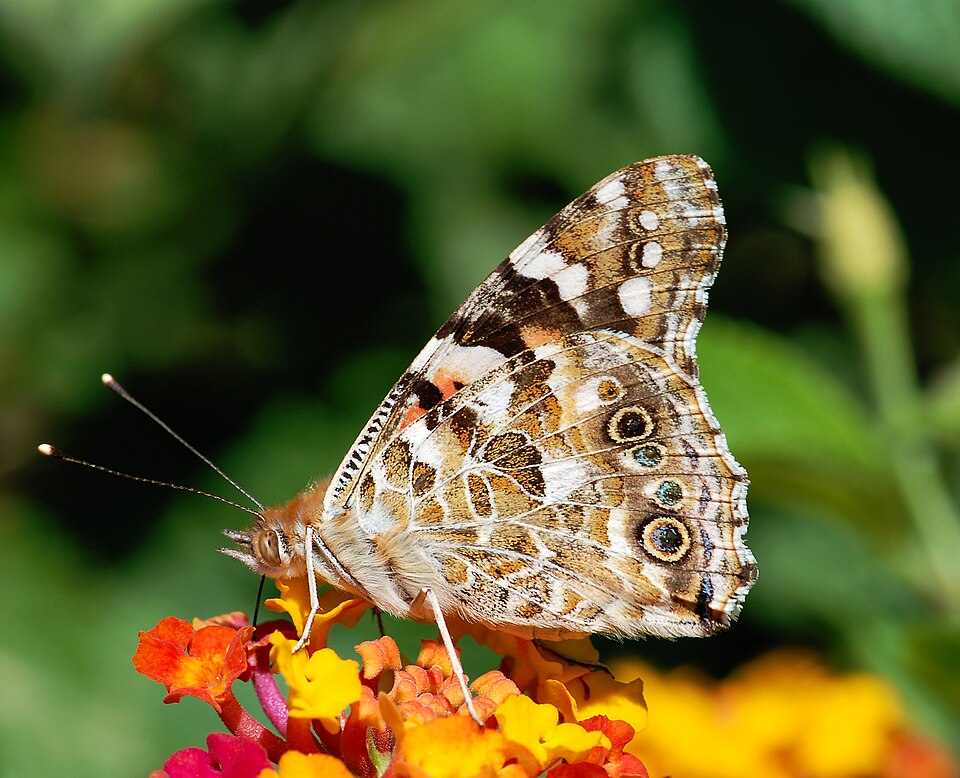 🦋
🦋Painted Lady
Vanessa cardui
Drawn to New England Aster
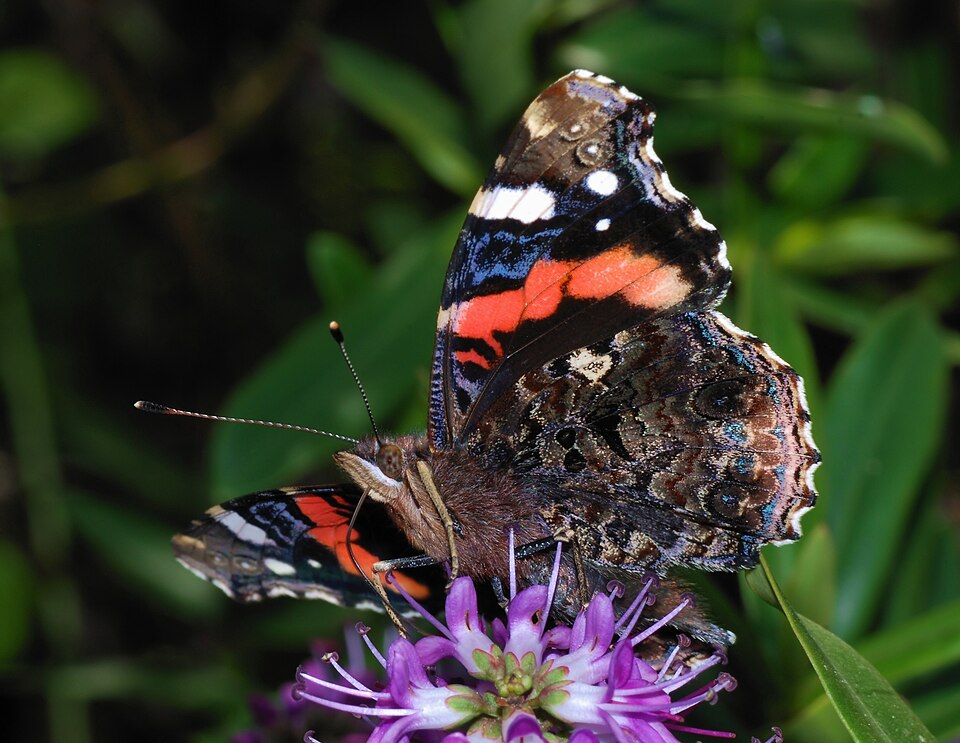 🦋
🦋Red Admiral
Vanessa atalanta
Drawn to New England Aster
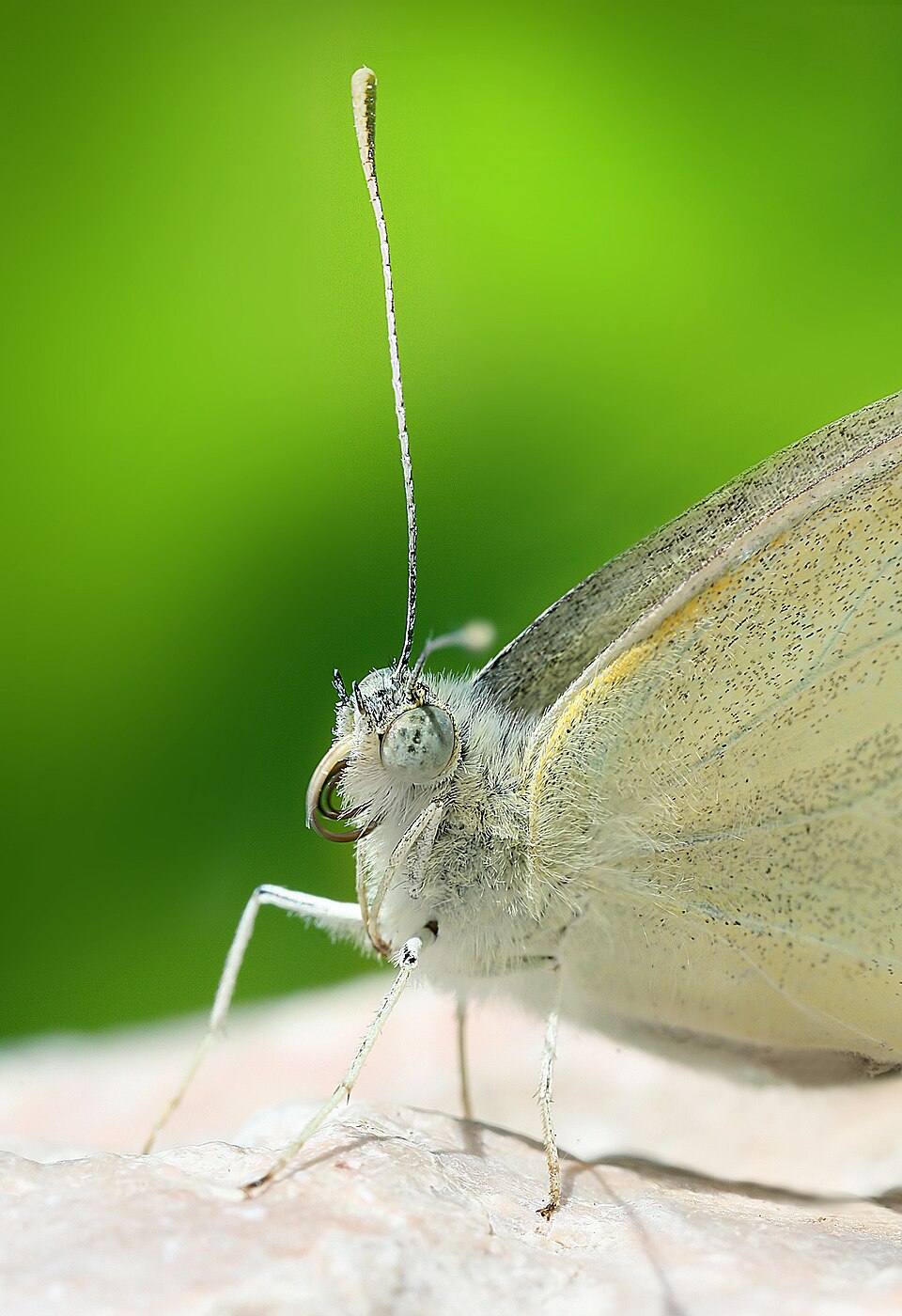 🦋
🦋Cabbage White
Pieris rapae
Drawn to New England Aster
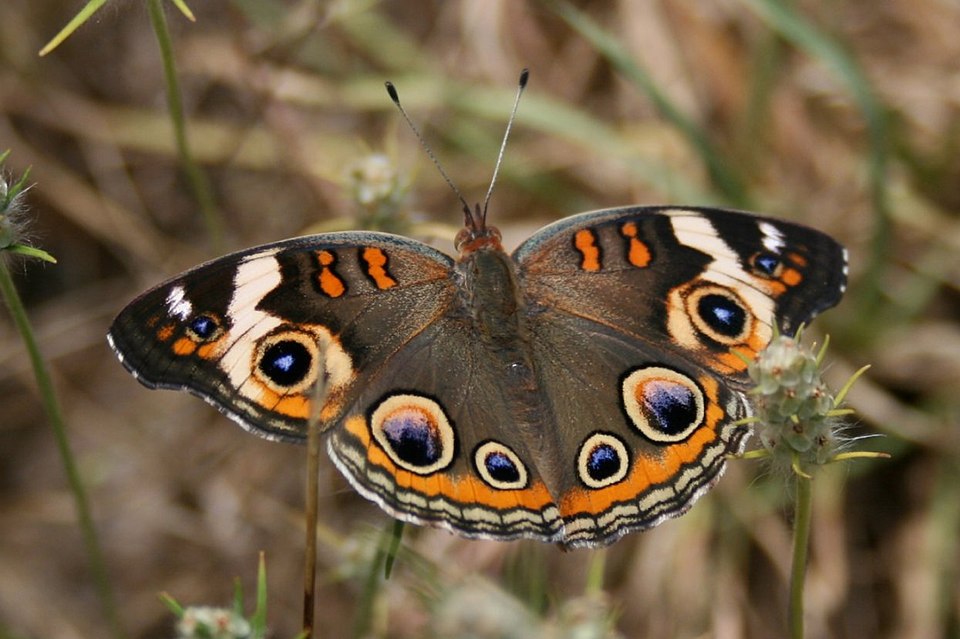 🦋
🦋Common Buckeye
Junonia coenia
Drawn to New England Aster
Likely visitors based on the plants in this garden and what’s active this month.
Who this garden brings back
Because cora-lee planted these, these named species have a place here.
At-risk status from COSEWIC and the Species at Risk Act registry in Canada, and the US Fish and Wildlife Service in the United States. Each species links to its own assessment.
- Monarch ButterflyEndangeredButterfly
A Monarch can only raise its young on milkweed. No milkweed, no Monarchs. It's that simple, and that fixable.
COSEWIC / SARA  Little Brown BatEndangeredBat
Disease wiped out most of them. A single bat eats thousands of insects a night, the ones night-blooming natives raise.
COSEWIC / SARA
At a glance
- 69%
support pollinators
- 51%
feed birds
- 40%
host caterpillars
Categories overlap. A single species often supports pollinators, birds, and caterpillars at once.
This garden already supports 9 different species at risk, a real corridor stop.
At-risk status from COSEWIC and the Species at Risk Act registry in Canada, and the US Fish and Wildlife Service in the United States. Each species links to its own assessment.
Blooming through the year
Something is in bloom in 6 of the 7 months of the growing season.