What this garden supports in July
In season now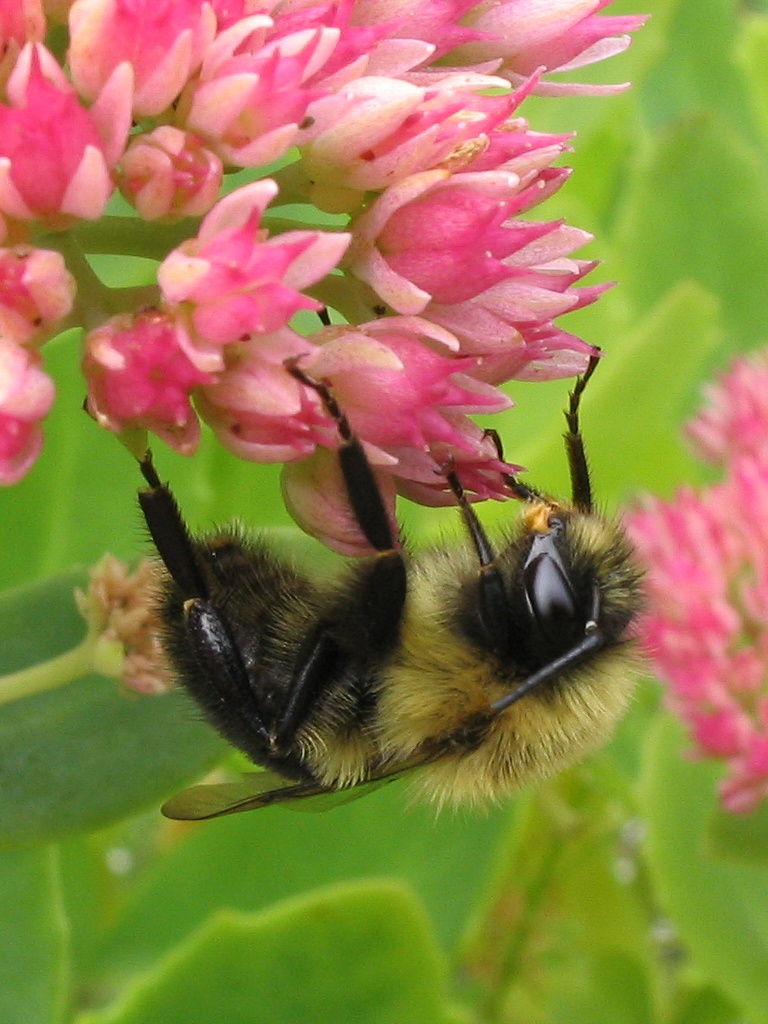 🐝
🐝Common Eastern Bumble Bee
Bombus impatiens
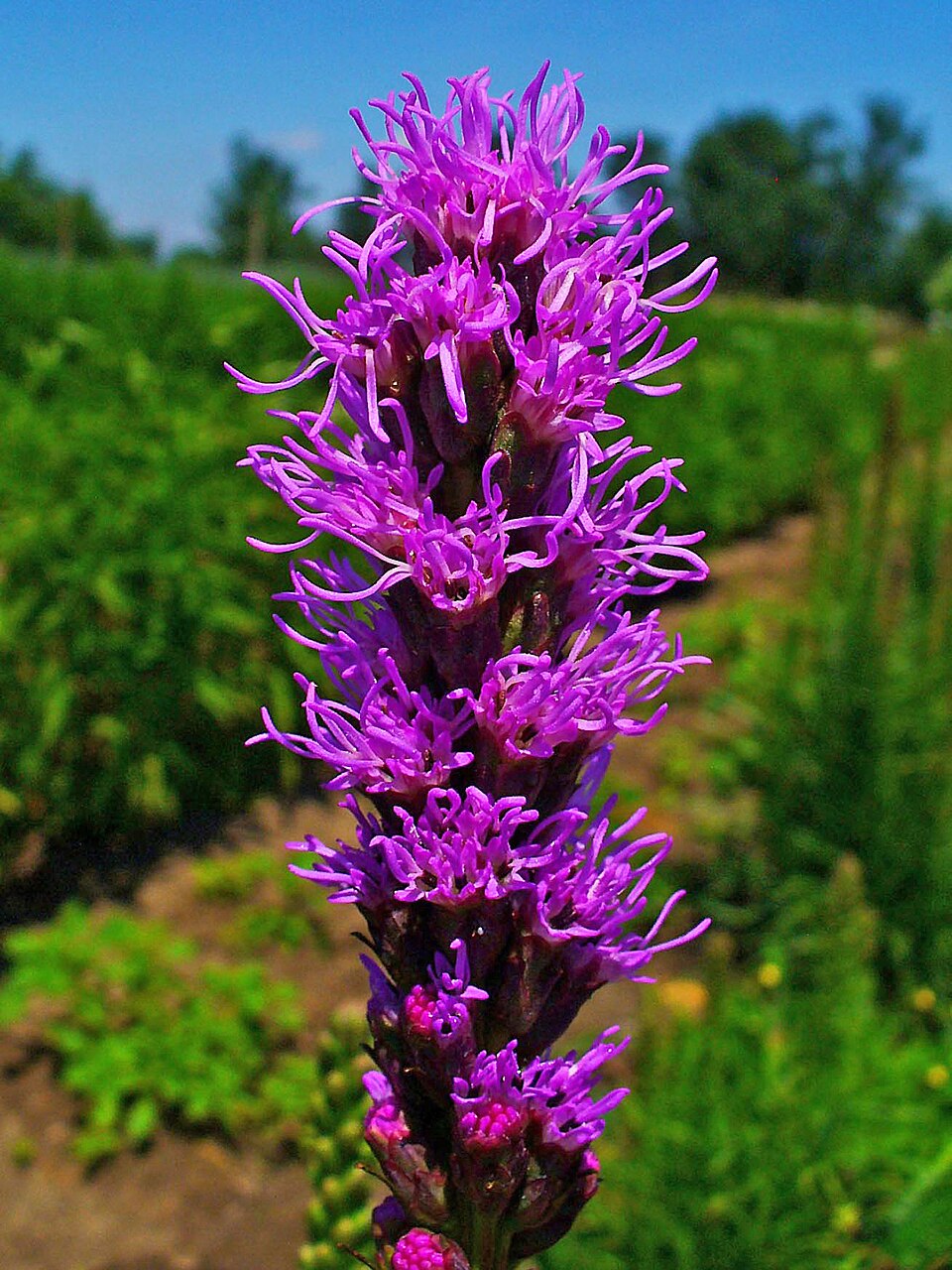
Drawn to Dense Blazing-Star
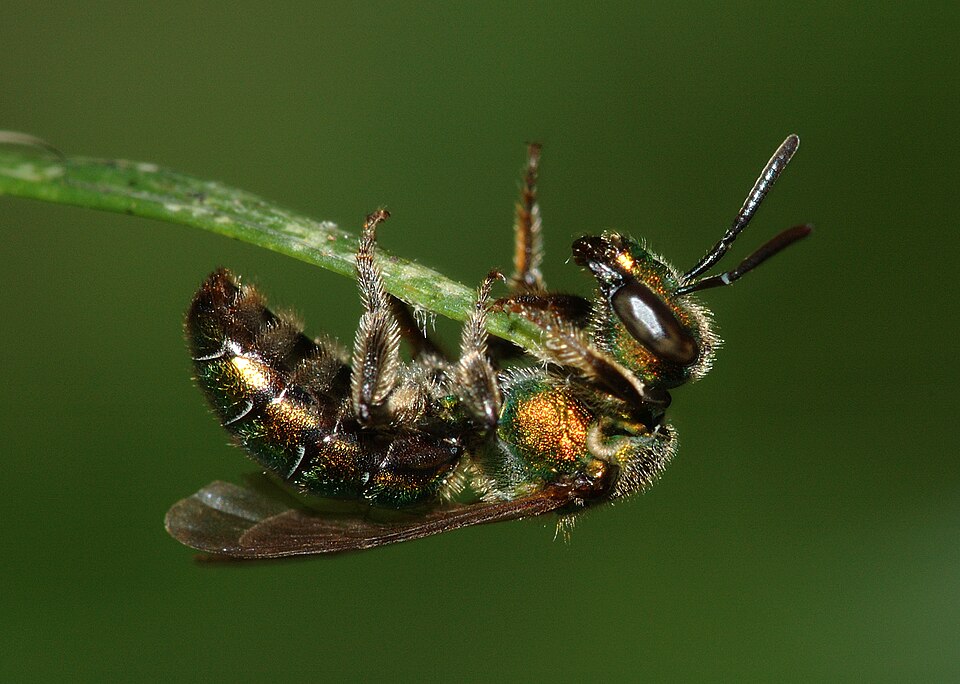 🐝
🐝Sweat Bee
Halictus ligatus
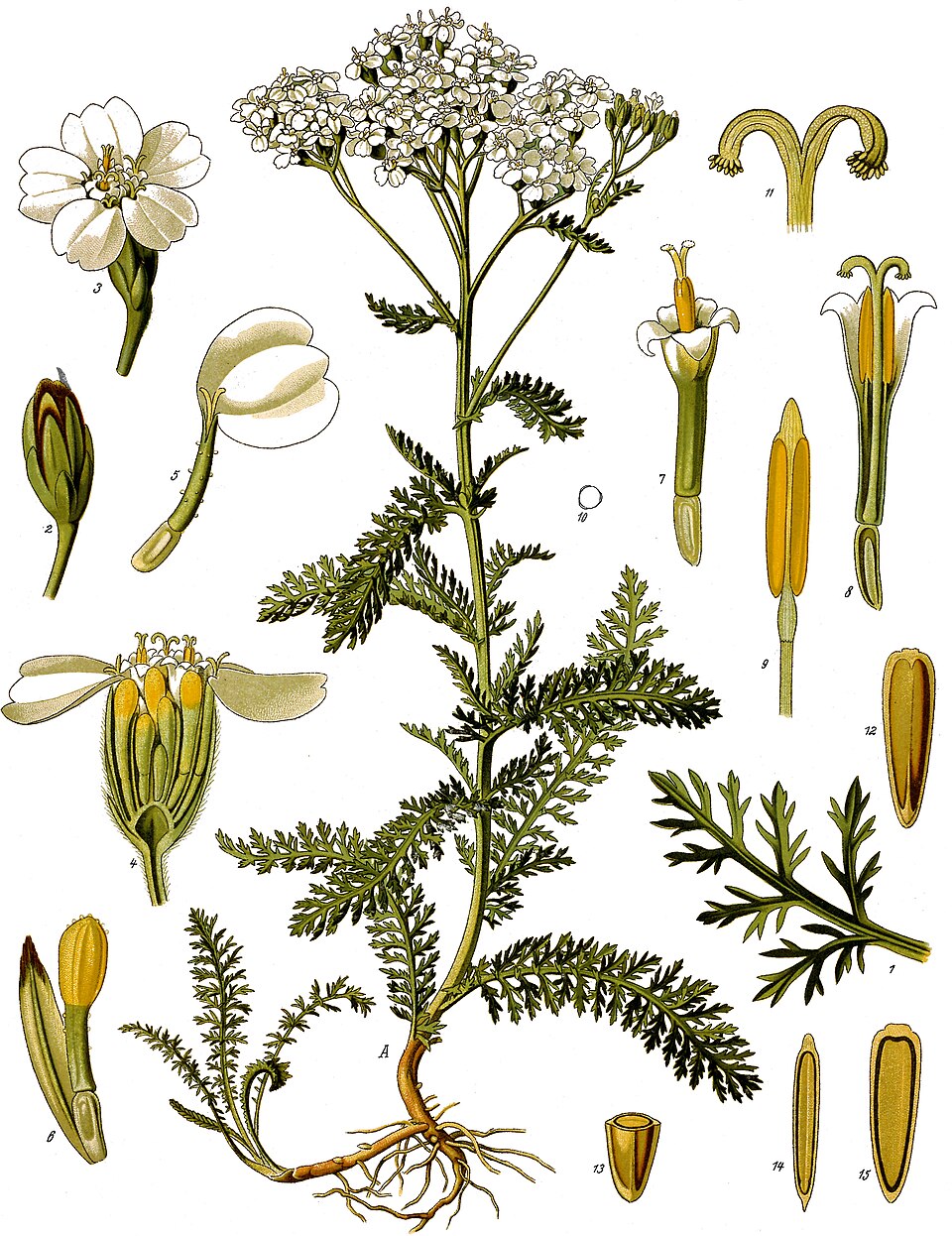
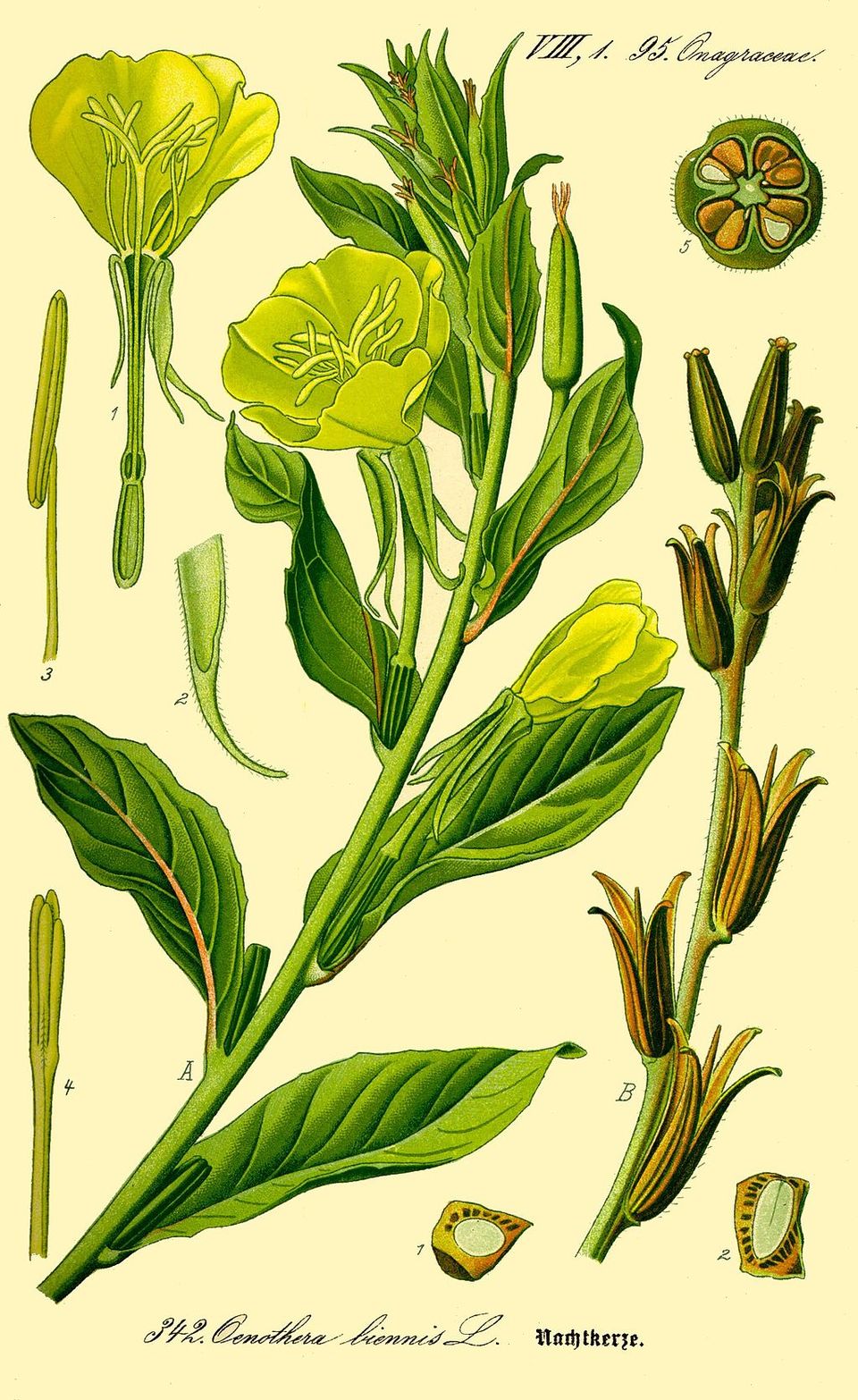
Drawn to Yarrow, Common Evening-Primrose
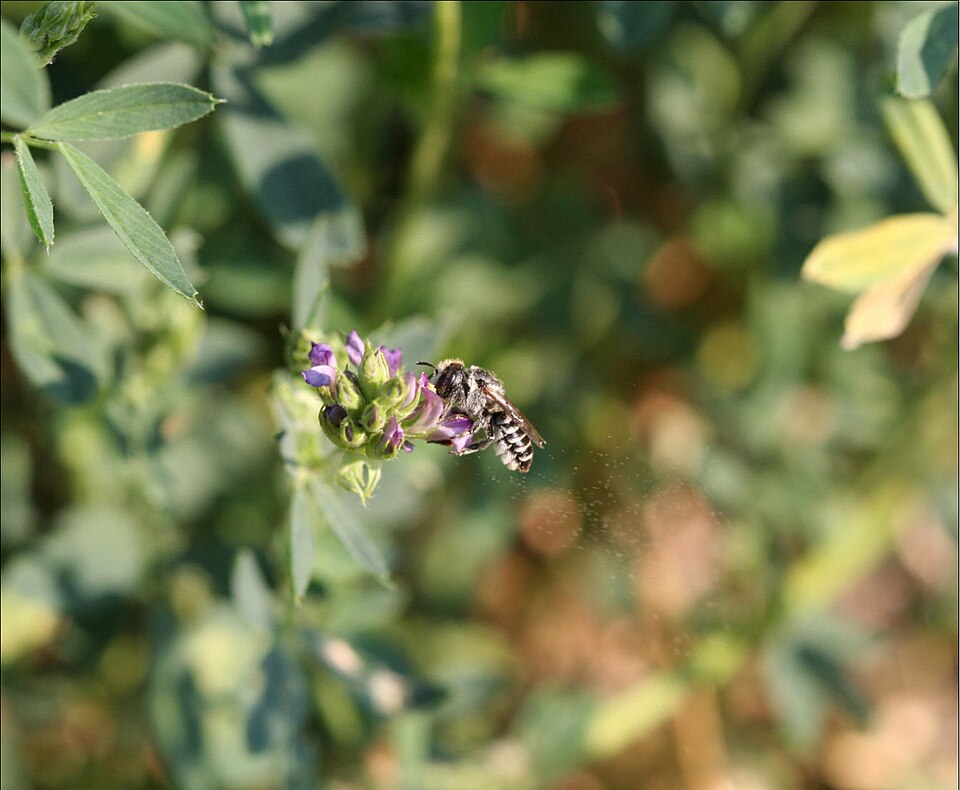 🐝
🐝Leafcutter Bee
Megachile rotundata
Loading...
A Hortus garden · Nova Scotia, Canada area
Already a home for the Monarch Butterfly and 5 other species at risk
17 native plants in the Nova Scotia, Canada area.
🐝Common Eastern Bumble Bee
Bombus impatiens
Drawn to Dense Blazing-Star
🐝Sweat Bee
Halictus ligatus
Drawn to Yarrow, Common Evening-Primrose
🐝Leafcutter Bee
Megachile rotundata
Map yours free and see who it brings back.
Start your own gardenDrawn to Yarrow
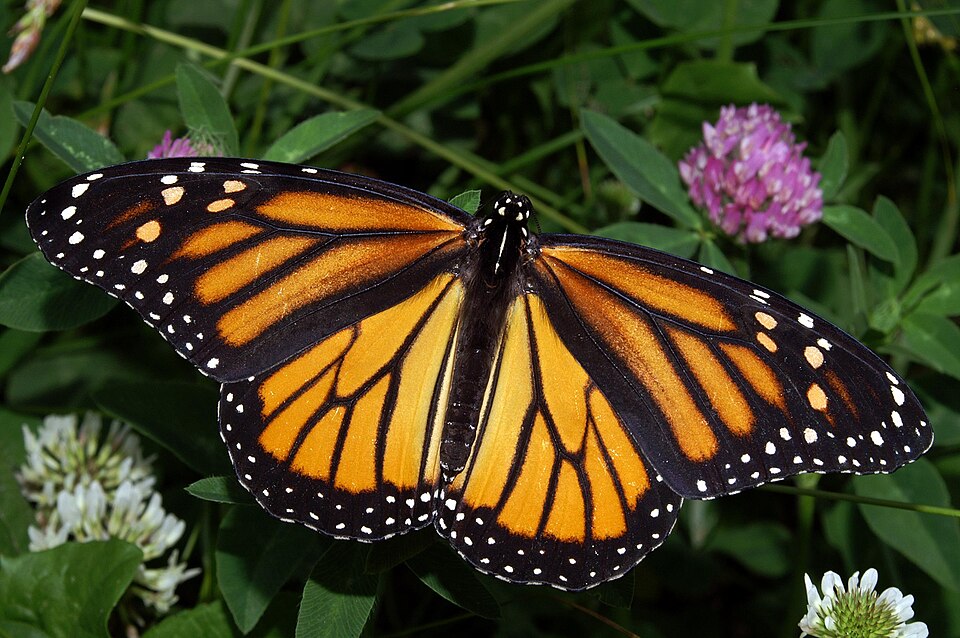 🦋
🦋Monarch Butterfly
Danaus plexippus
Drawn to Dense Blazing-Star
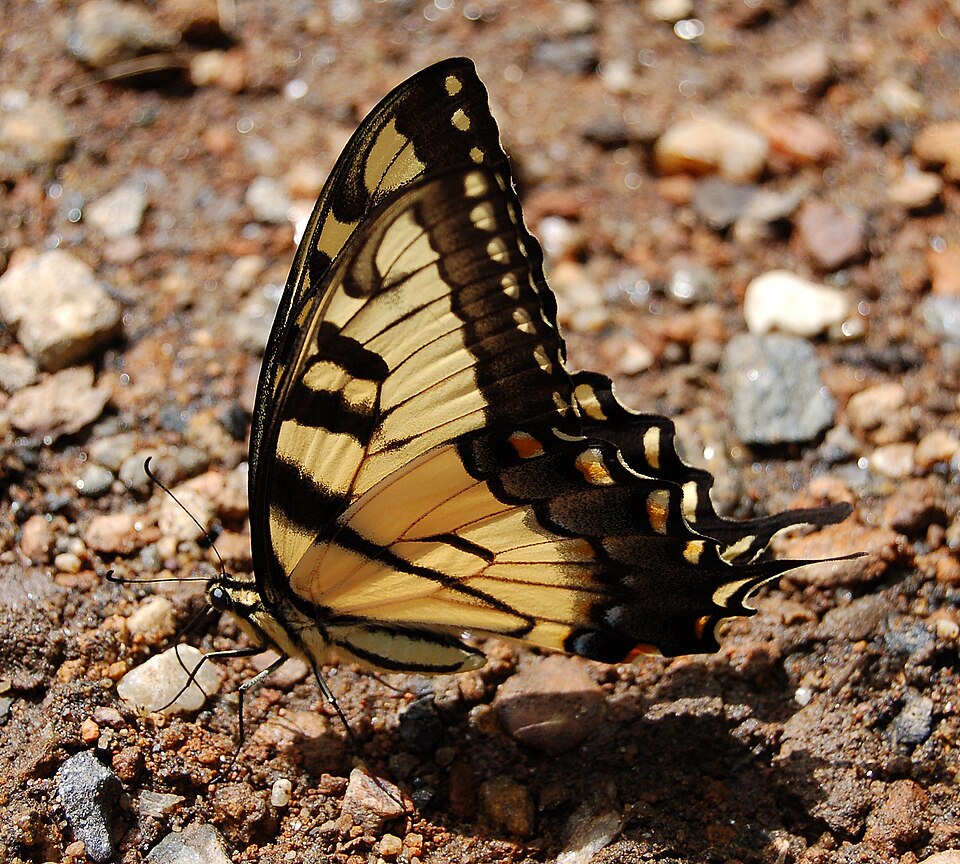 🦋
🦋Eastern Tiger Swallowtail
Papilio glaucus
Drawn to Dense Blazing-Star
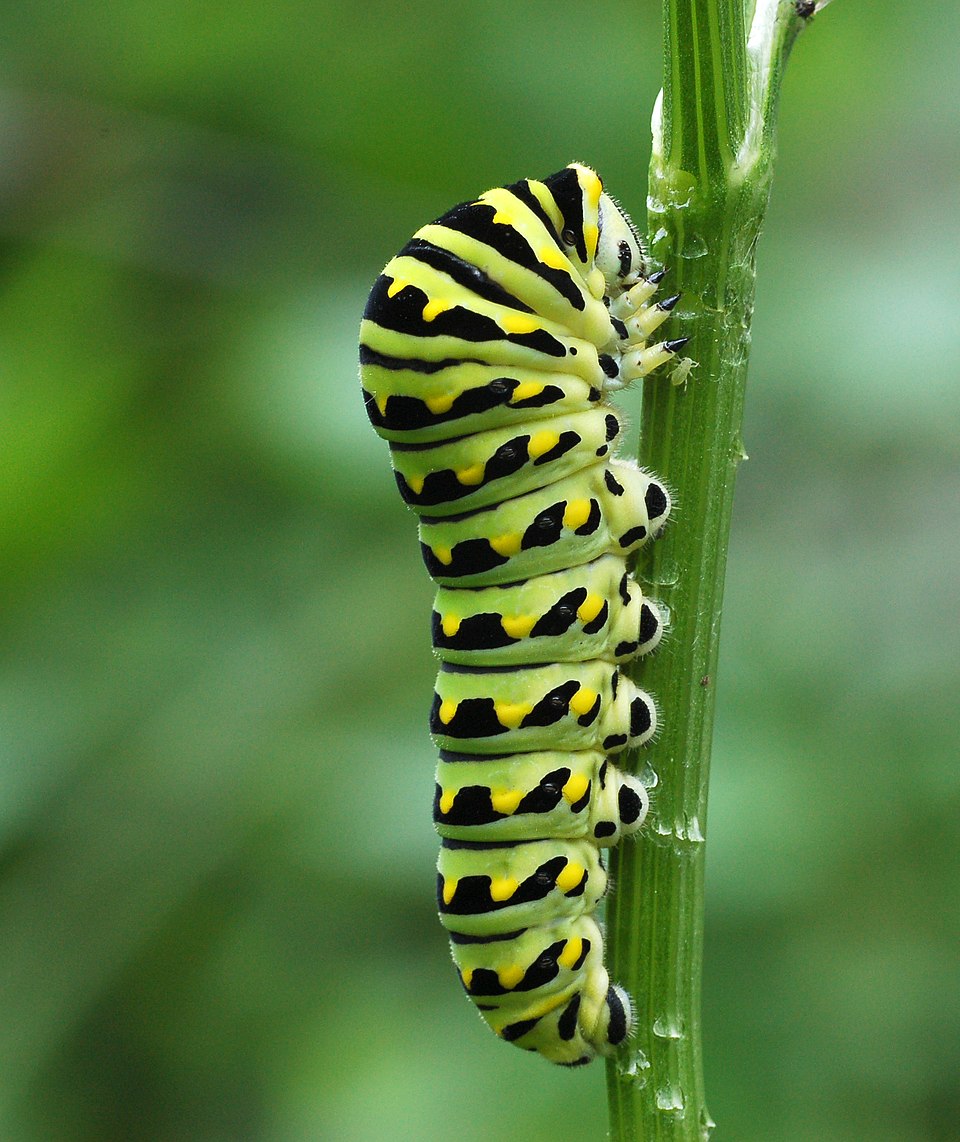 🦋
🦋Black Swallowtail
Papilio polyxenes
Drawn to Dense Blazing-Star
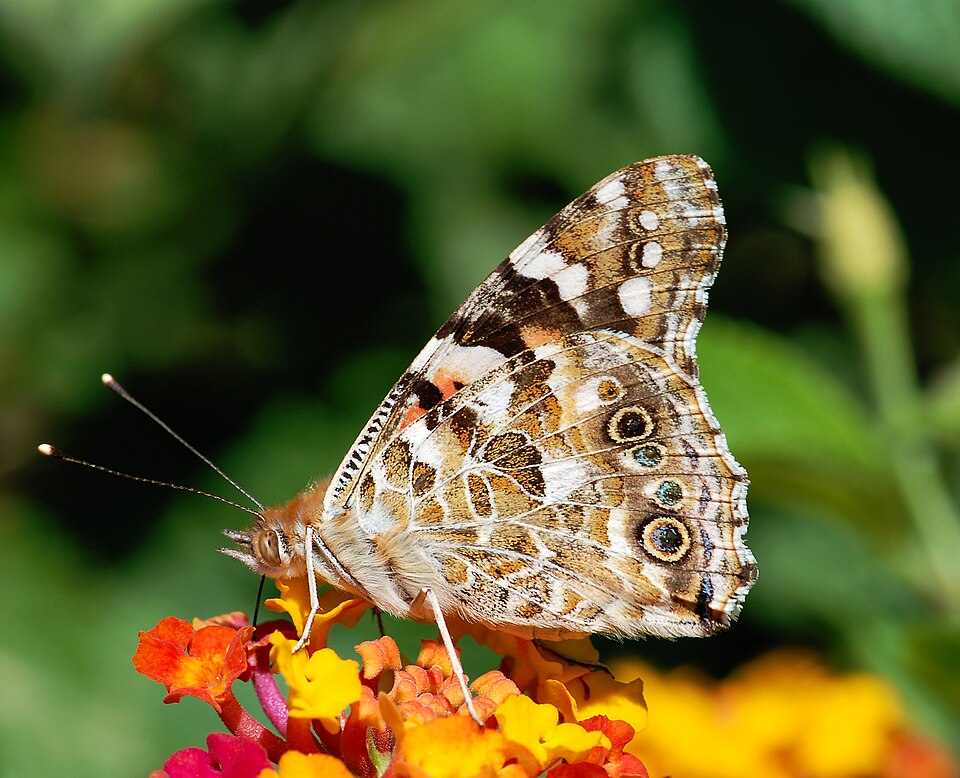 🦋
🦋Painted Lady
Vanessa cardui
Drawn to Yarrow
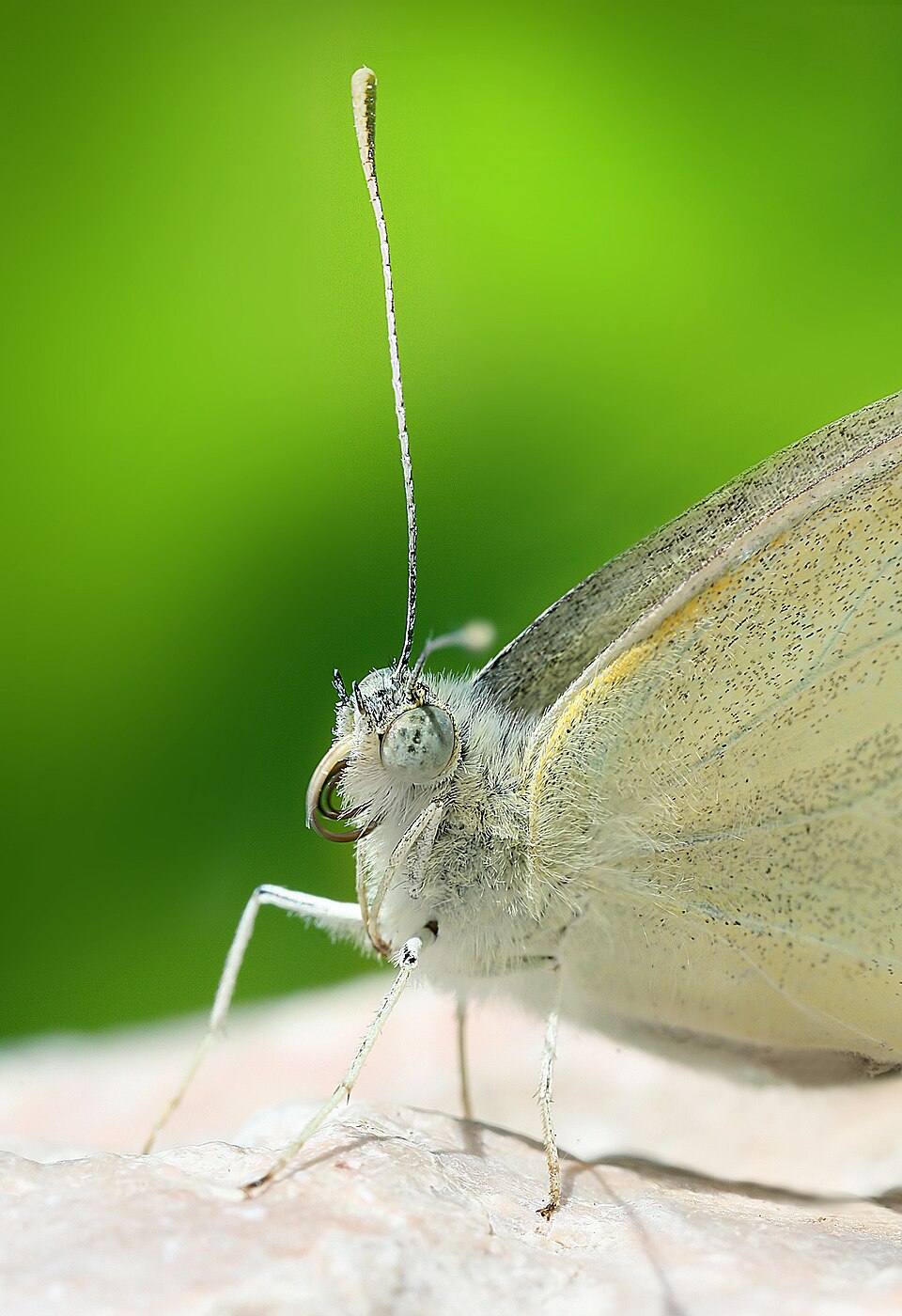 🦋
🦋Cabbage White
Pieris rapae
Drawn to Yarrow
Likely visitors based on the plants in this garden and what’s active this month.
Who this garden brings back
Because missallainy planted these, these named species have a place here.
A Monarch can only raise its young on milkweed. No milkweed, no Monarchs. It's that simple, and that fixable.

Disease wiped out most of them. A single bat eats thousands of insects a night, the ones night-blooming natives raise.

It catches every meal on the wing. Native plants sustain the insects it lives on.
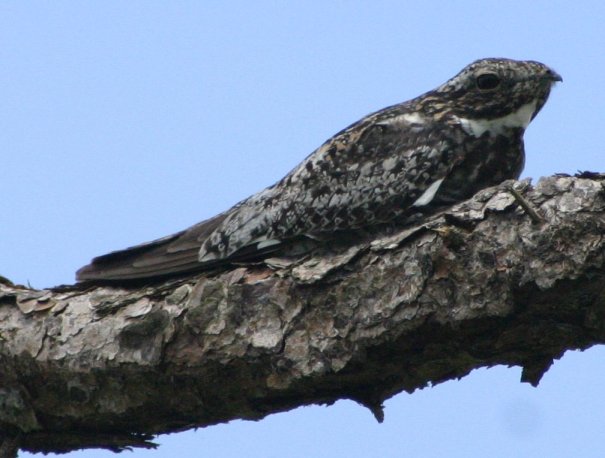
Its dusk call is going quiet. It hunts the night-flying moths that evening-primrose and milkweed raise.

Named for its haunting call, now seldom heard. It depends on the large moths native plants raise.
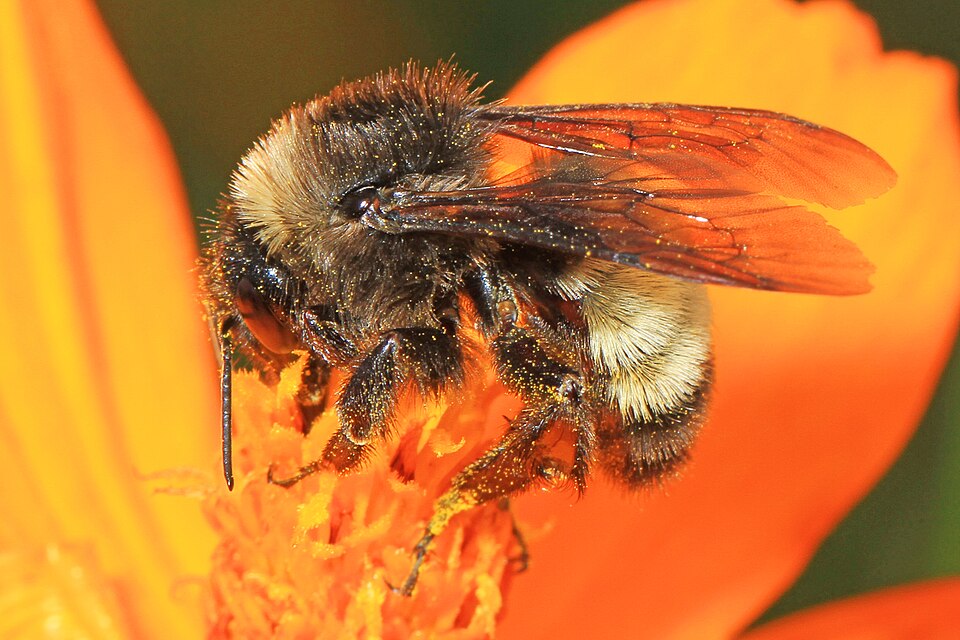
It needs goldenrod and asters to fatten up before winter. The late-summer blooms most gardens are missing.
Photos: Photo by Derek Ramsey, GFDL 1.2 · Photo by Marvin Moriarty/USFWS, public domain · Photo by Andrew C, CC BY 2.0 · Photo by Greg Schechter, CC BY 2.0 · Photo by Dominic Sherony, CC BY-SA 2.0 · Photo by Judy Gallagher, CC BY 2.0
support pollinators
feed birds
host caterpillars
Categories overlap. A single species often supports pollinators, birds, and caterpillars at once.
More than half the plants here are larval hosts, raising the caterpillars that baby songbirds depend on.
Something is in bloom in 6 of the 7 months of the growing season.