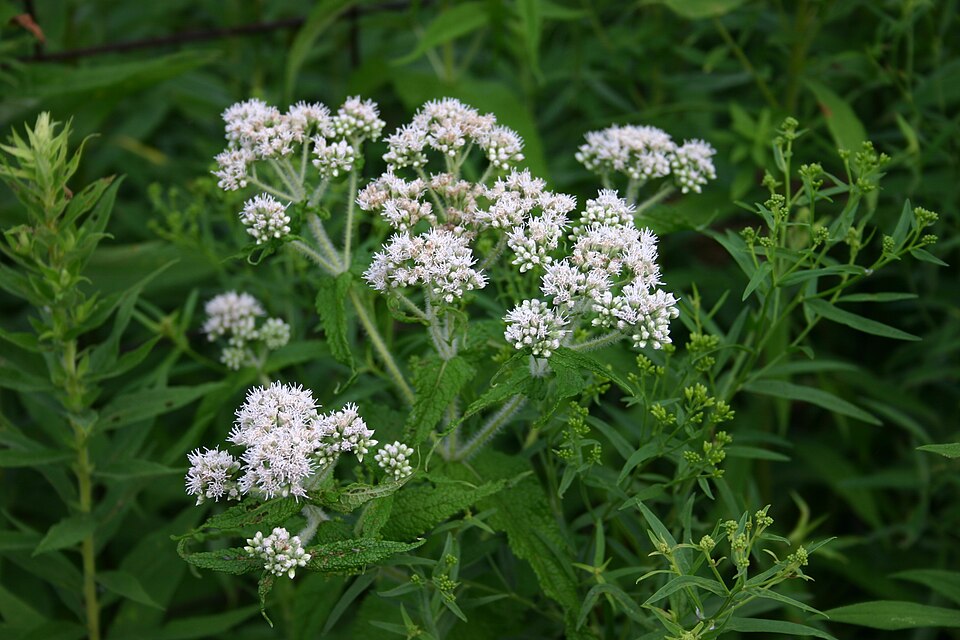
When it blooms
In bloom: July to September
How to grow it
- Light
- Full sun, Part shade
- Soil
- Moist
- Size
- 60–150 cm
- Family
- Asteraceae
- Native to
- Ontario
What it feeds
Boneset is a host plant local wildlife depends on. These are the beings it brings back.
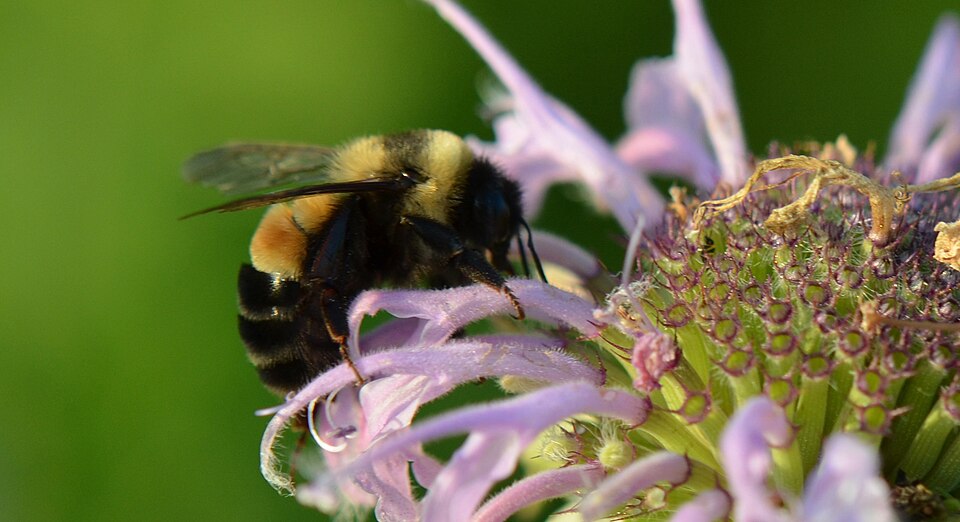 Rusty-patched Bumble BeeEndangeredBee
Once common across eastern North America, now almost gone. It feeds on wild bergamot and asters, flowers any yard can grow.
 Little Brown BatEndangeredBat
Disease wiped out most of them. A single bat eats thousands of insects a night, the ones night-blooming natives raise.
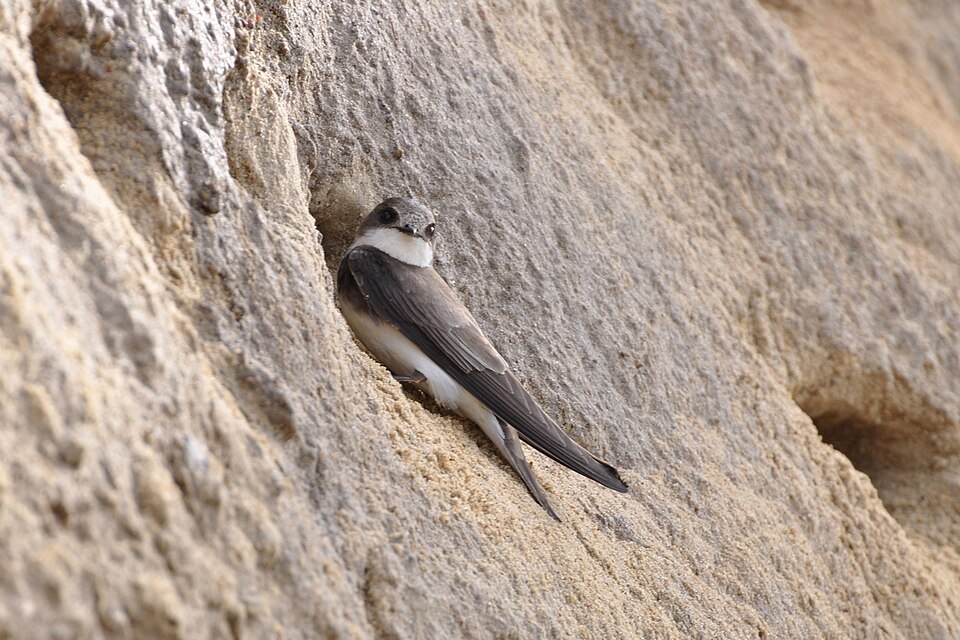 Bank SwallowThreatenedBird
It feeds entirely on flying insects. Every native flowering patch is more food in the air it hunts.
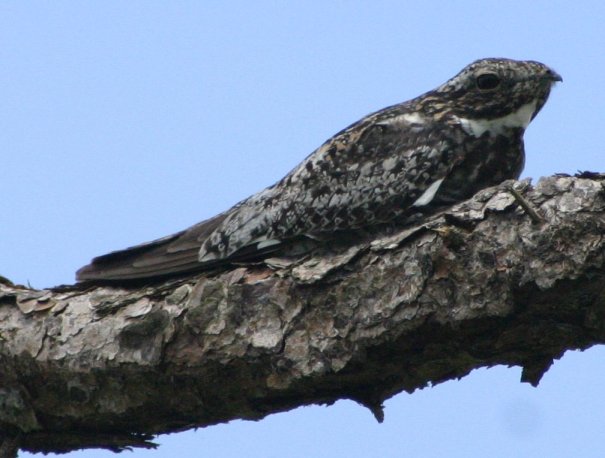 Common NighthawkThreatenedBird
Its dusk call is going quiet. It hunts the night-flying moths that evening-primrose and milkweed raise.
 Eastern Wood-PeweeSpecial concernBird
Its slow 'pee-a-wee' call is heard less each year. It needs the flying insects native plants support.
Photos: Photo by USGS Bee Inventory and Monitoring Lab, public domain · Photo by Marvin Moriarty/USFWS, public domain · Photo by John, CC BY 2.0 · Photo by Greg Schechter, CC BY 2.0 · Photo by Dan Pancamo, CC BY-SA 2.0
Plant it with
Other native plants the Rusty-patched Bumble Bee also depends on. Grow a few together and you give it food across the whole season.
Grow Boneset where you live
Add it to your garden on Hortus, get a free report card of the wildlife it brings back, and find a nursery near you that carries it.