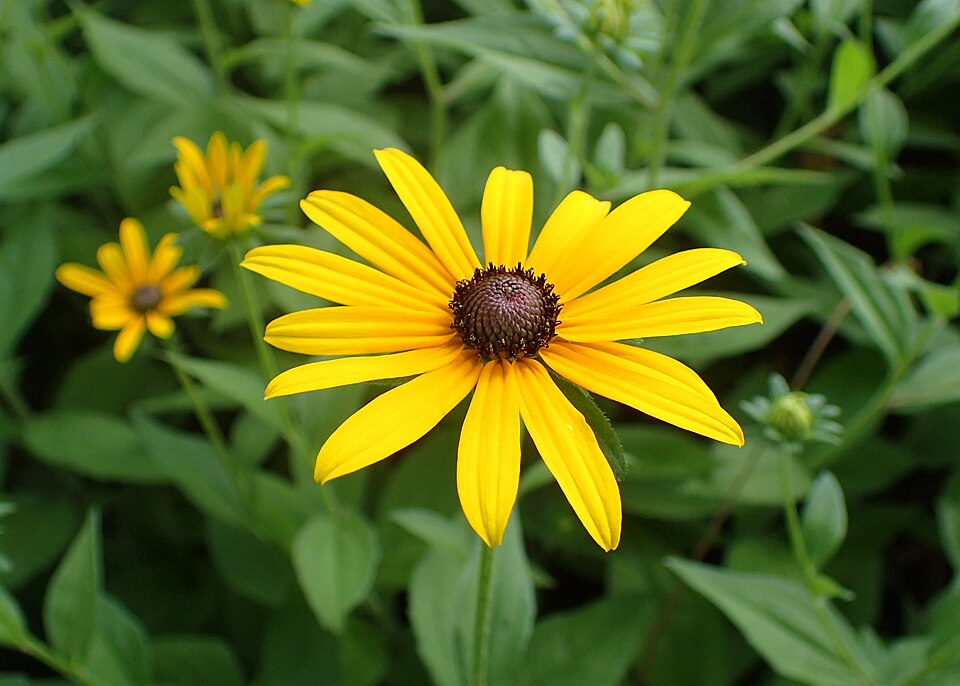
When it blooms
In bloom: June to September
How to grow it
- Light
- Full sun
- Soil
- Dry, Moist
- Size
- 30–75 cm
- Family
- Asteraceae
- Native to
- Ontario
What it feeds
Black-Eyed Susan is a host plant local wildlife depends on. These are the beings it brings back.
 Eastern MeadowlarkThreatenedBird
A grassland bird losing its grasslands. Native bunchgrasses bring back the insects and cover it needs.
 BobolinkThreatenedBird
A bubbling song of summer meadows, now threatened. Native grasses rebuild the habitat it raises its young in.
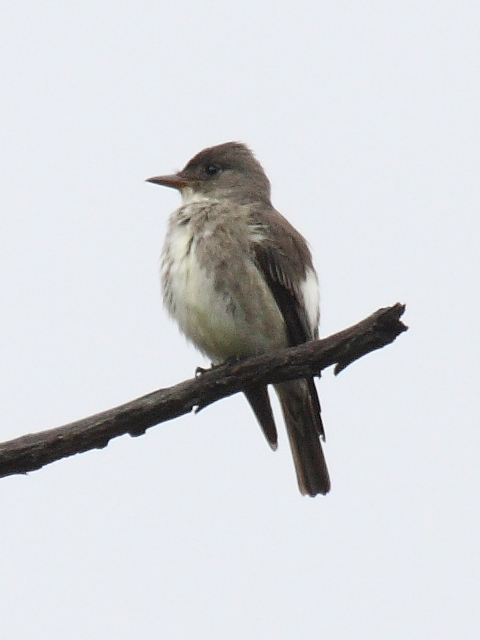 Olive-sided FlycatcherThreatenedBird
It perches on tall spruces and sallies out to catch flying insects. Native blooms keep its prey in the air.
 Eastern Wood-PeweeSpecial concernBird
Its slow 'pee-a-wee' call is heard less each year. It needs the flying insects native plants support.
 Transverse Lady BeetleSpecial concernBeetle
Our native ladybugs are being pushed out. Native plants give them aphids to hunt and cover to overwinter.
Photos: Photo by Ken Thomas, public domain · Photo by Paul Engel, CC BY-SA 4.0 · Photo by Mike's Birds, CC BY-SA 2.0 · Photo by Dan Pancamo, CC BY-SA 2.0 · Photo by Hectonichus, CC BY-SA 3.0
Plant it with
Other native plants the Eastern Meadowlark also depends on. Grow a few together and you give it food across the whole season.
Grow Black-Eyed Susan where you live
Add it to your garden on Hortus, get a free report card of the wildlife it brings back, and find a nursery near you that carries it.