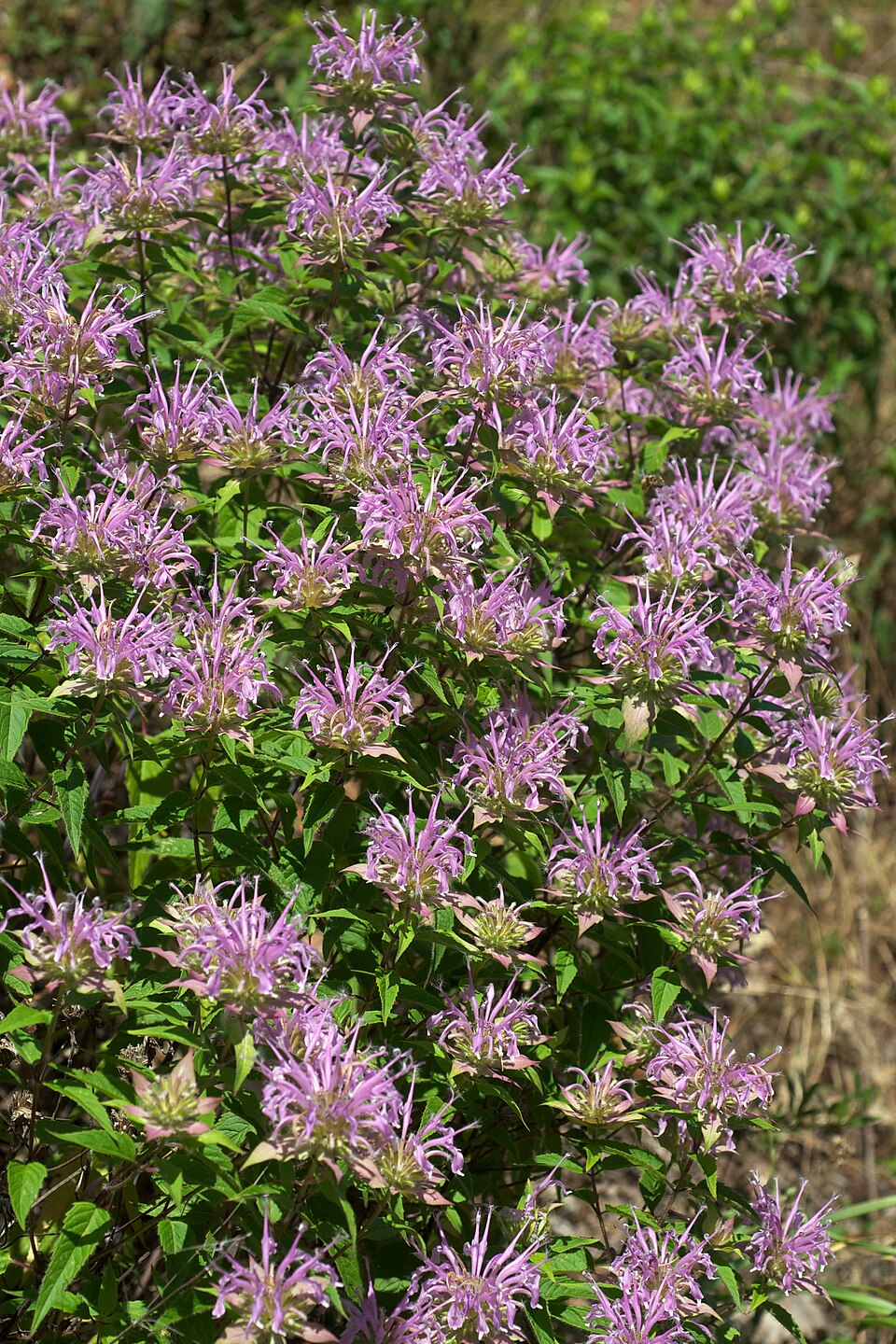
When it blooms
In bloom: July to September
How to grow it
- Light
- Full sun, Part shade
- Soil
- Dry, Moist
- Size
- 60–120 cm
- Family
- Lamiaceae
- Native to
- Quebec
What it feeds
Wild Bergamot is a host plant local wildlife depends on. These are the beings it brings back.
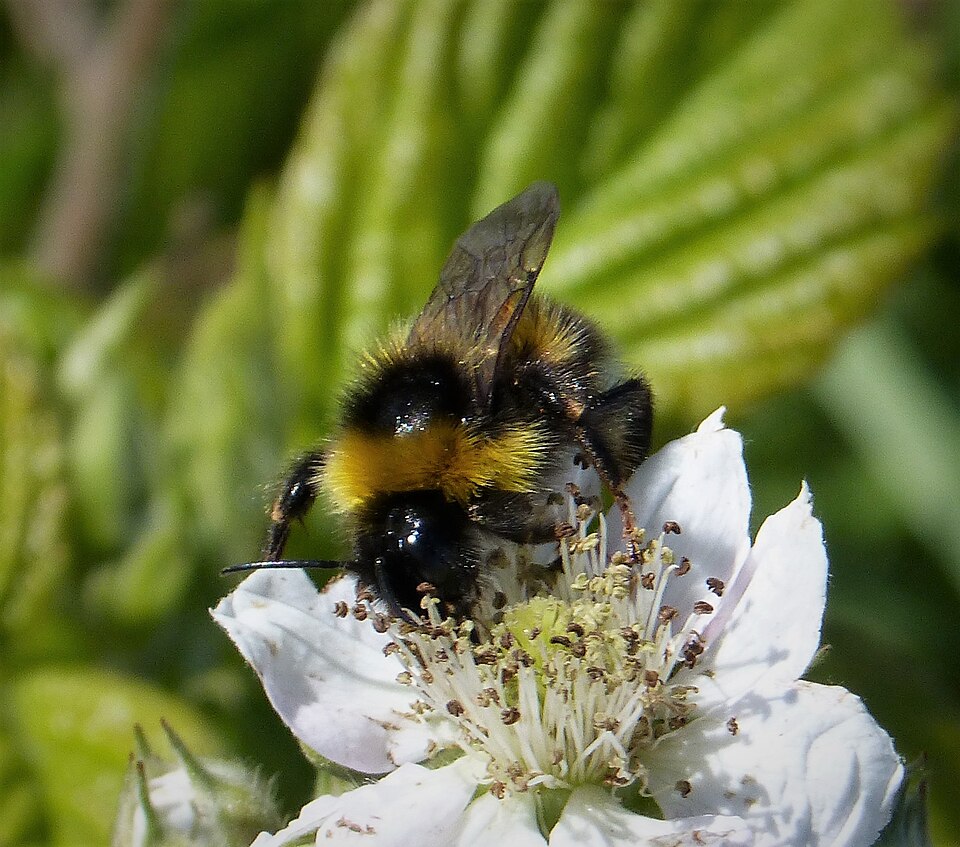 Gypsy Cuckoo Bumble BeeEndangeredBee
The bees it relies on need these same native blooms. Plant for one, and you feed both.
 Barn SwallowThreatenedBird
A bird that once nested on every farm, now threatened. Native plants feed the flying insects it catches on the wing.
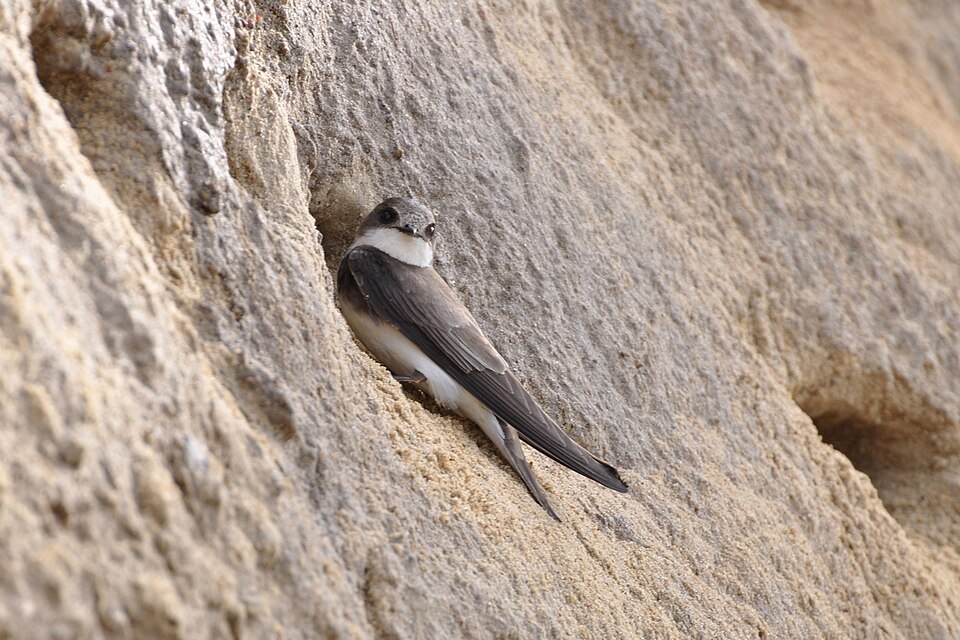 Bank SwallowThreatenedBird
It feeds entirely on flying insects. Every native flowering patch is more food in the air it hunts.
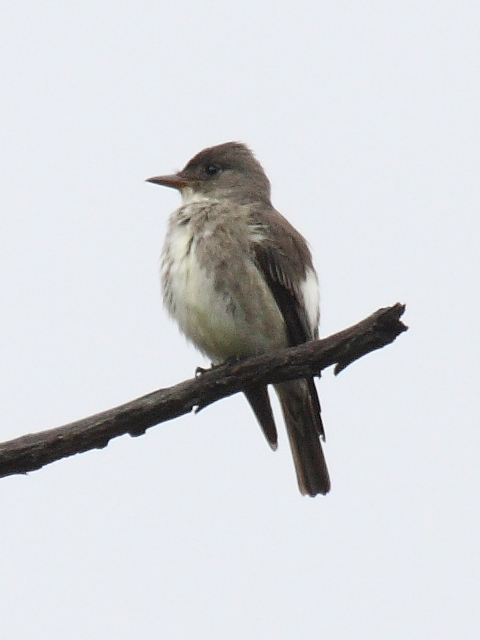 Olive-sided FlycatcherThreatenedBird
It perches on tall spruces and sallies out to catch flying insects. Native blooms keep its prey in the air.
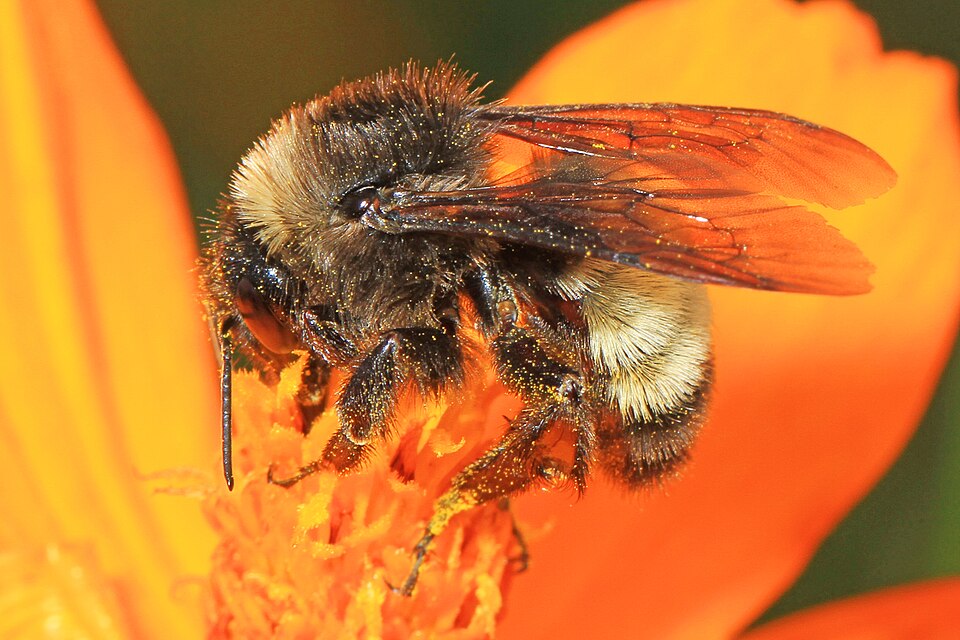 American Bumble BeeSpecial concernBee
It needs goldenrod and asters to fatten up before winter. The late-summer blooms most gardens are missing.
 Eastern Wood-PeweeSpecial concernBird
Its slow 'pee-a-wee' call is heard less each year. It needs the flying insects native plants support.
 Transverse Lady BeetleSpecial concernBeetle
Our native ladybugs are being pushed out. Native plants give them aphids to hunt and cover to overwinter.
Photos: Photo by Ivar Leidus, CC BY-SA 4.0 · Photo by Malene Thyssen, CC BY-SA 3.0 · Photo by John, CC BY 2.0 · Photo by Mike's Birds, CC BY-SA 2.0 · Photo by Judy Gallagher, CC BY 2.0 · Photo by Dan Pancamo, CC BY-SA 2.0 · Photo by Hectonichus, CC BY-SA 3.0
Plant it with
Other native plants the Gypsy Cuckoo Bumble Bee also depends on. Grow a few together and you give it food across the whole season.
Grow Wild Bergamot where you live
Add it to your garden on Hortus, get a free report card of the wildlife it brings back, and find a nursery near you that carries it.