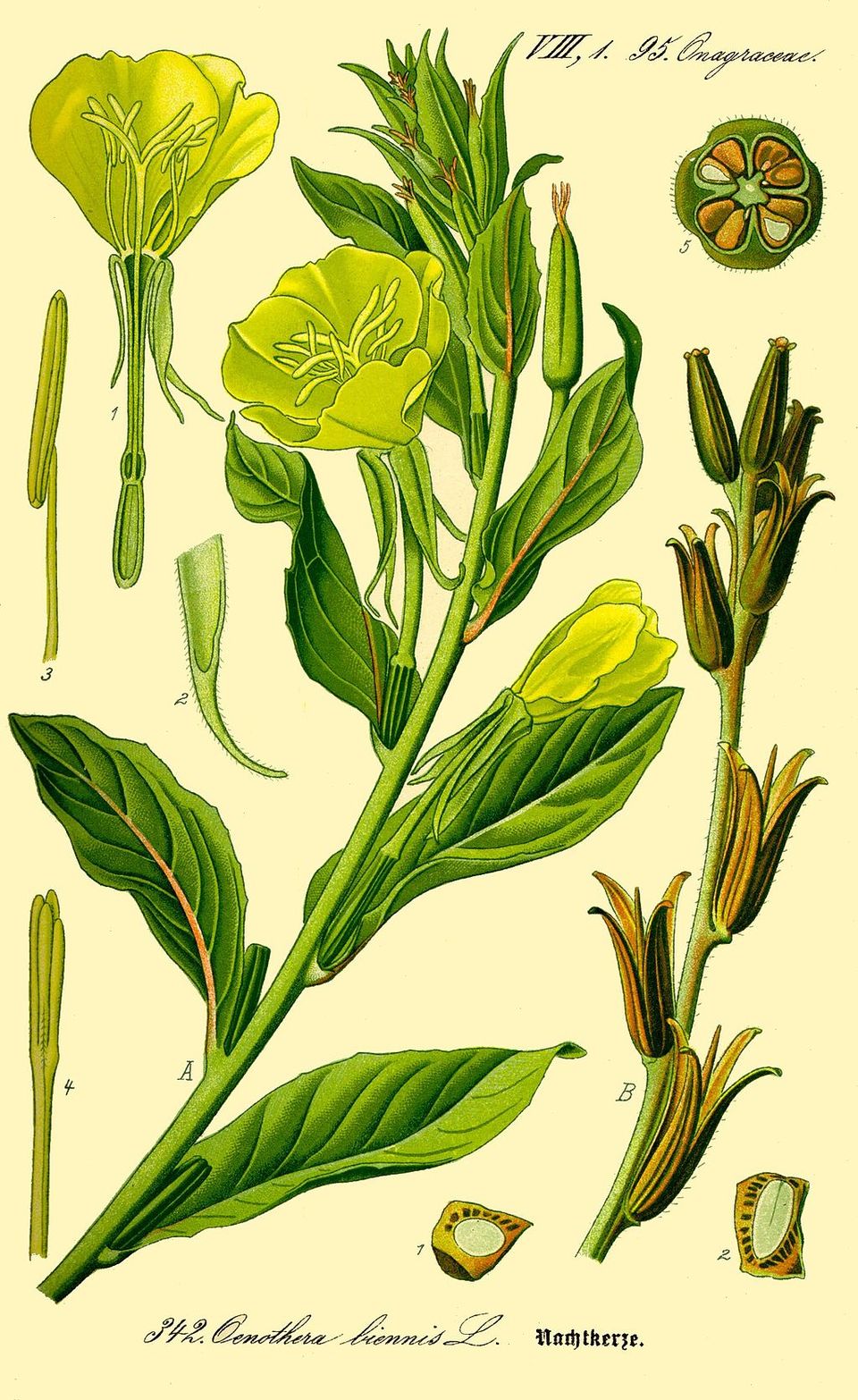
When it blooms
In bloom: July to September
How to grow it
- Light
- Full sun, Part shade
- Soil
- Moist
- Size
- 50–90 cm
- Family
- Onagraceae
- Native to
- Quebec
What it feeds
Common Evening-Primrose is a host plant local wildlife depends on. These are the beings it brings back.
 Little Brown BatEndangeredBat
Disease wiped out most of them. A single bat eats thousands of insects a night, the ones night-blooming natives raise.
 Chimney SwiftThreatenedBird
It catches every meal on the wing. Native plants sustain the insects it lives on.
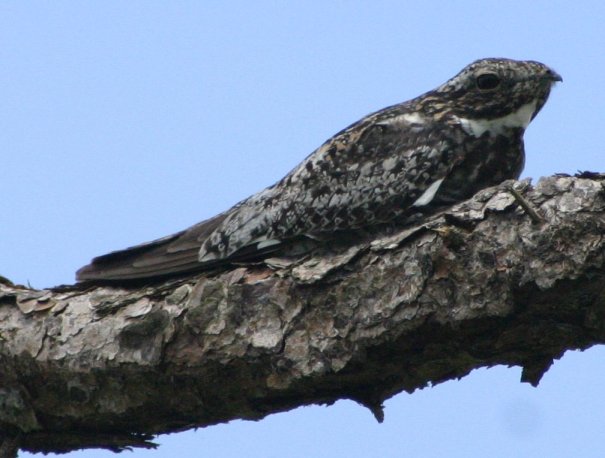 Common NighthawkThreatenedBird
Its dusk call is going quiet. It hunts the night-flying moths that evening-primrose and milkweed raise.
 Eastern Whip-poor-willThreatenedBird
Named for its haunting call, now seldom heard. It depends on the large moths native plants raise.
Photos: Photo by Marvin Moriarty/USFWS, public domain · Photo by Andrew C, CC BY 2.0 · Photo by Greg Schechter, CC BY 2.0 · Photo by Dominic Sherony, CC BY-SA 2.0
Plant it with
Other native plants the Little Brown Bat also depends on. Grow a few together and you give it food across the whole season.
Grow Common Evening-Primrose where you live
Add it to your garden on Hortus, get a free report card of the wildlife it brings back, and find a nursery near you that carries it.