What's Blooming in Your July Garden
Walk a native bed in mid-July and it's loud with bees. This is the peak, the few weeks when the meadow plants open all at once and the garden does the most conspicuous work of its year. It's also the right moment to look past it, because the gap that opens in late summer stays invisible until the flowers stop.
What's carrying the garden right now
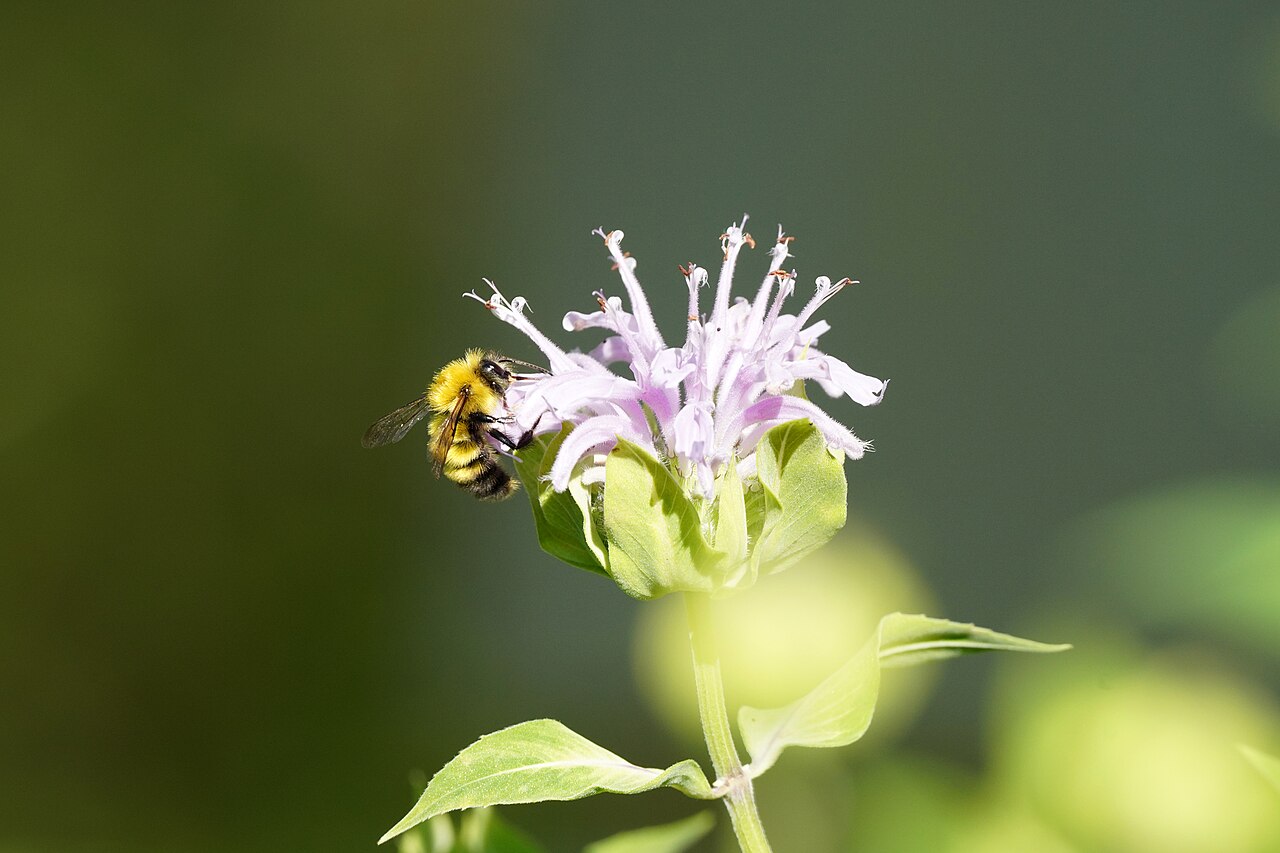
The prairie and meadow natives are doing the work. Wild Bergamot is covered in bumblebees and blooms through July and August. Purple Coneflower and Black-Eyed Susan run from June into September. Butterfly Milkweed hits its orange peak about now. These are also the plants people actually grow: 49 gardeners on Hortus have Black-Eyed Susan and 26 have Wild Bergamot, which is a lot of July nectar spread across a lot of yards.
Where the gap opens
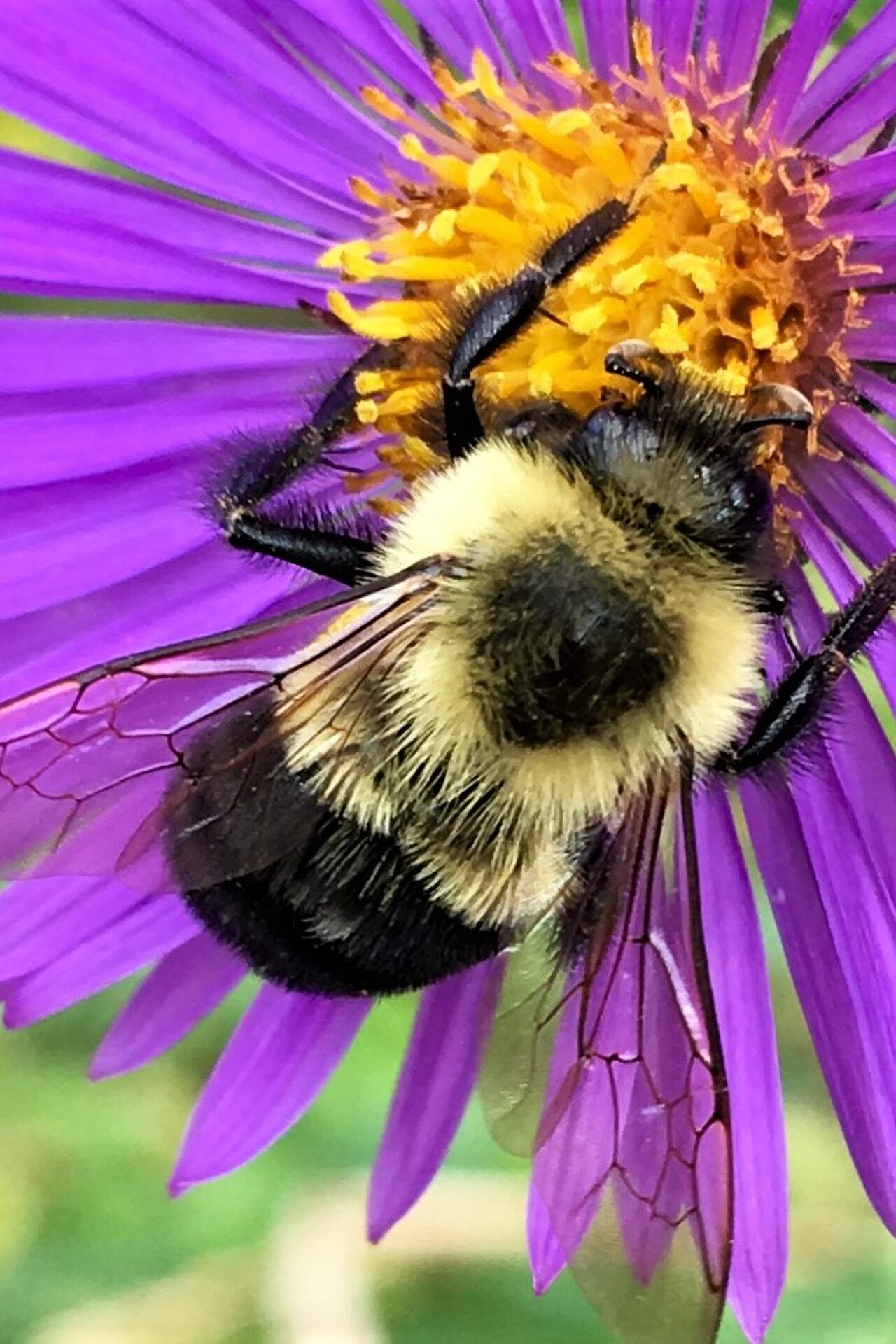
In most gardens the flowers thin out between the July meadow plants fading and the fall bloomers starting, and the lull lands at the worst possible time. Bumblebee colonies are at their largest and hungriest in late summer. The monarchs that will fly south are fuelling up for the trip.
A garden that peaks in July and quits in August is one bright month followed by a hungry one.
So plant for the back half of the season. Joe-Pye Weed carries July into September, Canada Goldenrod lights up in late summer, and New England Aster holds the very end, flowering from August into October when there's almost nothing else left.
Goldenrod deserves better than its reputation. It gets blamed for hay fever every fall, but the culprit is ragweed, which flowers at the same time and throws its pollen on the wind. Goldenrod pollen is heavy and sticky and travels on insects, not breezes, and few native plants feed more late-season bees.
Does your garden flower in every month?
That's the question worth asking this week, while everything is open and easy to see. Red Columbine and the other spring plants cover May and June, the meadow natives cover midsummer, and the real test is the far end of the season: is anything set to bloom in September and October? If the honest answer is no, you've found your gap, and July is early enough to close it before winter.
The last flower of the year matters more than the first.
You don't need one of everything. A few plants in each stretch of the season keep nectar and pollen coming steadily, which is worth far more to a bumblebee than one overwhelming week in July. It's the same logic as a pollinator corridor: a bee crossing a neighbourhood does best when something is always open, garden to garden.
Can you still plant in July?
Yes, and the only real condition is the watering. Nurseries carry potted natives all summer, and anything already in a pot can go in the ground now. Firm it in, soak it, and put a ring of mulch around it, kept off the stem, to hold the moisture.
What actually needs watering right now?
Far less than most people think, and the exceptions matter. A native perennial that has been in the ground a year or more has roots deep enough to ride out a normal Canadian dry spell, and watering it on a schedule mostly encourages shallow roots and floppy growth. Leave it alone. Anything planted this spring or summer is a different case: its roots are still inside the shape of the pot it came in, and a week of heat will kill it while the established plant beside it looks fine.
When you do water, water hard and infrequently. A long soak that wets the soil deep, once or twice a week, beats a daily sprinkle that dampens the top centimetre and evaporates by noon. Do it in the morning if you can. And judge by the soil rather than the leaves, because plenty of natives wilt in the afternoon heat as a way of coping and are perfectly fine by evening.
Log what's flowering in your garden and check the bloom map to see what your neighbours have open. If the weeks after the peak look thin, you already know which plants to reach for, and there's still time to get them in. Find a native plant nursery near you, or let a free habitat plan pick late-season species for your yard.
Plants Mentioned in This Article
Find native plants near you
Browse nurseries that carry the species mentioned in this article, filtered to your area.
Browse nurseries →Need help with your garden?
Connect with landscapers who specialize in native plant gardens and pollinator habitat.
Find a landscaper →